Bridging the Attribution Gap: How Travel Brands Are Rethinking Social Media ROI in the Age of Video-First Discovery

The modern travel booking journey rarely happens in a straight line. A user might scroll past an immersive, sun-drenched video of a hidden beach on Instagram or TikTok during their morning commute, feel an immediate surge of wanderlust, and then close the app. Weeks, or even months, may pass before that same user actually sits down to research flights, compare hotels, and finalize a reservation. For travel brands—from global hospitality giants to boutique tour operators—this extended consideration window creates a massive marketing puzzle: How do you measure the true return on investment (ROI) of a social media campaign when the initial inspiration occurred months prior on a completely different platform?
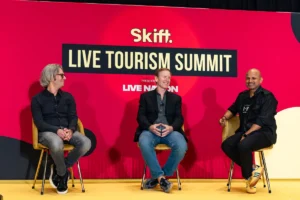
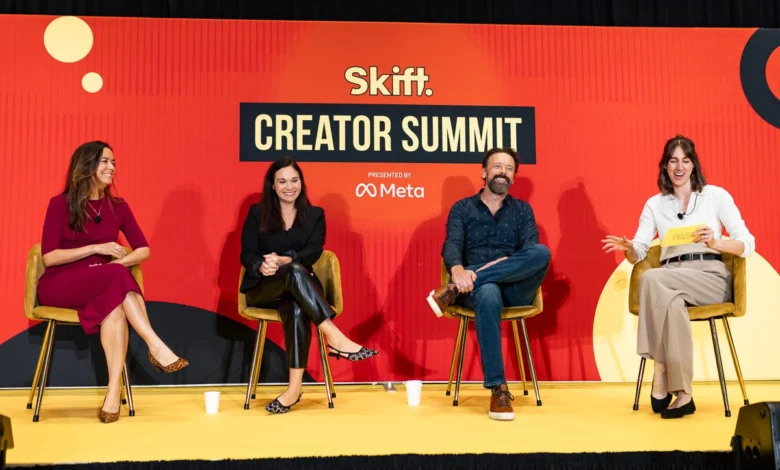
This critical marketing challenge took center stage on September 22, 2026, at the Skift Creator Summit in New York City. Industry leaders gathered to dissect the evolving relationship between social media content creators, platform algorithms, and traditional travel marketing funnels. Among the prominent voices driving the conversation were Diana Lucas, Director of Marketing Science for North America at Meta Platforms; Laurie Blair, Senior Vice President of Global Marketing and Loyalty at Hyatt; and Ross Borden, Founder and CEO of Matador. Together, they explored the hidden complexities of modern consumer behavior and why legacy metrics are failing modern travel brands.
The Limits of Click-Based Attribution
For decades, digital marketers have relied heavily on last-click or direct-click attribution models to evaluate campaign performance. If a user clicked an ad and booked a hotel room within 24 hours, the ad claimed the credit. However, industry experts argue that this outdated methodology fundamentally misunderstands how people consume media today, particularly on mobile devices.
According to Diana Lucas of Meta, relying exclusively on click-based attribution misses the vast majority of a campaign’s actual impact. This oversight is magnified by the overwhelming shift toward video consumption across major social platforms. Lucas noted during the New York summit that video now accounts for a staggering 60% of all content consumed on Instagram and Facebook.
Unlike traditional banner ads or text links, which are designed for immediate transactional clicks, rich video content functions primarily as a top-of-funnel brand-building and inspiration tool. A dynamic, beautifully edited reel showcasing a luxury resort’s overwater bungalows or a bustling street food market in Tokyo is designed to evoke emotion, not an immediate checkout. When brands judge the success of these immersive video assets solely by immediate click-through rates, they drastically undervalue their ability to drive long-term consumer intent and eventual conversions.
The Evolving Travel Consumer Journey
To understand why traditional metrics are falling short, one must examine the fundamental transformation of consumer behavior over the past decade. The travel planning process has decentralized. Consumers no longer rely exclusively on travel agents, guidebooks, or static search engine results. Instead, they turn to peer-to-peer recommendations, influencer content, and algorithmic feeds that surface unexpected destinations.
This discovery-led journey typically unfolds in distinct phases:
- Passive Inspiration: Users encounter travel-related content organically while scrolling through social feeds, often with no immediate intent to travel.
- Active Consideration: Weeks later, as vacation time approaches, the latent memory of that video resurfaces, prompting the user to begin active research.
- Cross-Platform Search: The consumer moves from social platforms to search engines, review sites, and direct brand websites to check availability and pricing.
- Conversion: The booking is finalized, often via a direct channel or online travel agency (OTA), long after the tracking cookie from the original social ad has expired.
Because this journey is fragmented and spans multiple devices and sessions, traditional attribution software struggles to connect the initial social media impression to the final booking confirmation. This disconnect leaves marketing executives defending budgets to corporate leadership without a clear, data-backed narrative to prove how social video investments directly impact the bottom line.

Industry Responses and Strategic Shifts
Faced with this attribution gap, hospitality leaders and marketing platforms are actively developing more sophisticated ways to measure and capture consumer intent. Brands are moving away from siloed metrics and adopting holistic measurement frameworks that account for view-through conversions, brand lift studies, and econometric modeling.
Hyatt, represented at the summit by Senior Vice President of Global Marketing and Loyalty Laurie Blair, has been at the forefront of rethinking how loyalty and marketing intersect with modern digital content. Hospitality brands are increasingly realizing that partnering with content creators—who possess authentic audience trust—is vastly more effective than traditional corporate advertising. However, compensating and measuring the output of these creators requires a complete overhaul of legacy key performance indicators (KPIs).
Rather than asking creators to drive immediate, trackable booking clicks (a task alien to their creative format), forward-thinking brands are focusing on share of voice, engagement depth, and long-term brand equity. By integrating creators deeper into the loyalty ecosystem, brands like Hyatt can track how engaged community members move through the funnel over extended periods.
Concurrently, platforms like Meta are investing heavily in advanced measurement tools designed to help advertisers look beyond the click. By utilizing aggregated, privacy-compliant data methods such as conversion lift testing, Meta aims to prove to skeptical advertisers that users exposed to video campaigns convert at significantly higher rates than unexposed control groups, even if they never directly clicked an ad.
Broader Economic Implications for Travel Marketing
The implications of this marketing evolution extend far beyond corporate boardrooms and ad tech conferences. As travel brands adapt to video-first discovery and complex attribution models, several broader trends are emerging across the global tourism sector:
- Budget Reallocation: Marketing dollars are rapidly shifting away from static display ads and search-only strategies toward rich media, short-form video production, and creator partnerships. Brands that fail to invest in high-quality video content risk becoming invisible to younger consumer demographics.
- Enhanced Privacy Standards: As global data privacy regulations tighten and third-party cookies continue to phase out, the advertising industry is forced to rely on modeled attribution and first-party data. Travel brands must build robust direct relationships with their customers to capture first-party intent signals effectively.
- The Rise of Specialized Metrics: New analytics firms and internal marketing science teams are emerging to help travel companies build custom attribution models that weigh the multi-touch reality of modern travel planning.
Conclusion
The dialogue at the Skift Creator Summit underscored a defining truth for the contemporary travel industry: inspiration and conversion are no longer simultaneous events. As long as video dominates social discovery, the gap between a user seeing an inspiring clip on Instagram and checking into a hotel room will remain wide.
For travel brands, bridging this attribution gap requires a mindset shift. Success can no longer be measured by the instant gratification of a click. Instead, executives must embrace the nuanced, long-tail impact of brand storytelling—recognizing that the seeds of a vacation planted by a social media video today may take months to blossom into a confirmed booking tomorrow.