Inside the White House State Dinner for Xi Jinping, A Blueprint of American Power and Influence

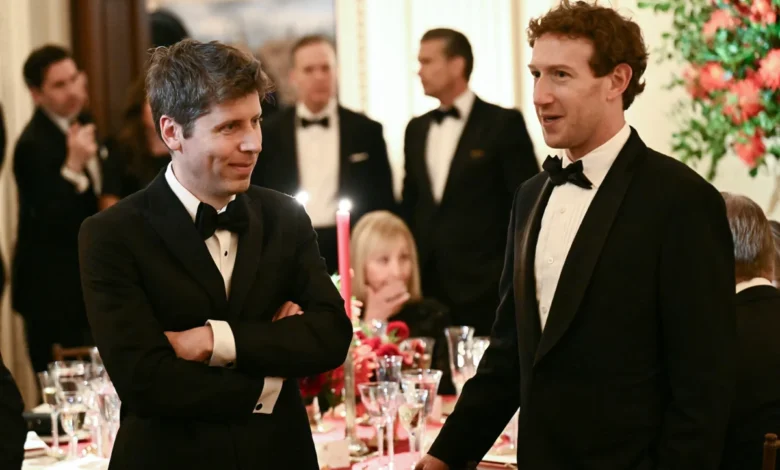
The guest list for President Donald Trump’s state dinner with Chinese President Xi Jinping featured just about every notable chief executive, tech titan, and political powerbroker in the United States. Hosting a formal state dinner requires a delicate balance of diplomacy, culinary planning, and meticulous seating charts, but the guest list itself often serves as a definitive statement on the architecture of modern American influence. Set against the backdrop of the administration’s second term, this high-profile diplomatic gathering brought together the leaders of the world’s two largest economies alongside an elite delegation of corporate titans, media moguls, and judicial officials.
While the ostensible purpose of the event was to foster high-level bilateral discussions between Washington and Beijing, the 134-seat roster offered a revealing cross-section of the American power structure. From Silicon Valley innovators and Wall Street chief executives to conservative media personalities and key Supreme Court justices, the evening highlighted the intersection of geopolitical strategy and domestic economic dominance.
The Convergence of Geopolitics and Corporate Power
The state dinner occurred during a busy diplomatic window that also included a high-profile White House artificial intelligence summit. Consequently, the guest list featured an unprecedented concentration of technological leadership. Prominent figures such as Meta CEO Mark Zuckerberg, OpenAI CEO Sam Altman, Tesla and xAI leader Elon Musk, Amazon founder Jeff Bezos, Alphabet co-founder Sergey Brin, and Apple CEO Tim Cook were all in attendance.
In addition to established tech giants, the roster reflected the shifting priorities of the digital age by incorporating leaders driving the semiconductor and hardware booms. Nvidia CEO Jensen Huang, whose market capitalization surges have positioned him at the center of the global AI infrastructure race, secured a prominent seat. He was joined by Lisa Su, CEO of Advanced Micro Devices (AMD), highlighting the critical national security and economic stakes tied to microchip manufacturing and international trade policy.
Beyond the technology sector, the gathering brought together heavyweights from traditional industries. Energy sector representation was led by executives from major oil corporations, including ExxonMobil, underscoring the enduring significance of fossil fuels in U.S.-China trade relations. The financial sector maintained a powerful presence through banking leaders such as Citigroup CEO Jane Fraser and JPMorgan Chase CEO Jamie Dimon, whose institutions navigate the complex regulatory and monetary intersections of both superpowers. Media consolidation was also represented, including media executive David Ellison, whose ongoing corporate expansion efforts require navigating federal regulatory scrutiny.
Political Alliances and the Washington Establishment
The domestic political contingent at the dinner was equally comprehensive, blending loyalist lawmakers with key members of the executive branch. Vice President JD Vance and Second Lady Usha Vance were seated alongside Secretary of State Marco Rubio and his spouse, Jeanette Rubio. House Speaker Mike Johnson also attended, representing the congressional leadership amid a shifting legislative landscape.
Cabinet secretaries and administration advisors, including figures such as Robert F. Kennedy Jr. and policy architect Stephen Miller, rounded out the administration’s official presence. Furthermore, long-standing financial supporters of the Republican political apparatus were honored with invitations, including Miriam Adelson, reflecting the ongoing symbiosis between major political fundraising and executive access.
In a notable nod to the intersection of the judiciary and the political elite, Supreme Court Chief Justice John Roberts and Associate Justices Amy Coney Barrett and Brett Kavanaugh were also on the guest list. The presence of members of the nation’s highest court—particularly those viewed as swing votes or institutional moderates—underscored the comprehensive nature of the invite list, which transcended traditional executive-legislative boundaries to encompass all three branches of federal governance.
Media Influence and Controlled Access
The representation of the media industry at the state dinner highlighted the close alignment between the administration and specific conservative broadcasting networks. Prime-time anchors from Fox News, including Jesse Watters, Bret Baier, and Laura Ingraham, were granted seats of honor, reflecting their prominent roles in shaping public discourse for the conservative base. Notably, Lachlan Murdoch, CEO of News Corp, was absent from the event, even as prominent on-air personalities secured invitations.
While chosen media figures enjoyed direct access to the proceedings, broad journalistic access to the event was heavily restricted. Major news organizations and independent press corps members faced limitations regarding coverage of the private dialogues, drawing scrutiny from press freedom advocates. State dinners historically balance public transparency with diplomatic discretion, but the heavy emphasis on proprietary corporate and political attendance reinforced perceptions of an exclusive summit detached from public oversight.
Broader Implications and Economic Realities
Analyzing the guest list provides critical insight into the priorities of the current administration. By placing foundational technology developers, Wall Street executives, and energy producers in direct dialogue with Chinese leadership, the White House signaled that international trade negotiations are inextricably linked to private-sector industrial capacity.
However, economic analysts point out the stark contrast between the elite discourse inside the White House ballroom and the immediate geopolitical and economic challenges facing everyday citizens. While the gathered executives discussed artificial intelligence, semiconductor supply chains, and market access, global markets continue to grapple with persistent inflationary pressures, complex supply chain reconfigurations, and ongoing international conflicts—such as the protracted hostilities involving Iran—that remain largely impervious to corporate influence alone.
Ultimately, the state dinner served as both a diplomatic reception for a foreign head of state and a definitive roll call of the modern American oligarchy. As global powers negotiate the terms of technological and economic leadership in the twenty-first century, the event offered a clear view of the individuals holding the levers of corporate and political power, dictating the trajectory of policy long after the dinner tables have been cleared.