A Father-Daughter Pilgrimage to Islay: Exploring Scotland’s Smoky Single Malt Capital on a Four-Day Guided Whisky Tour

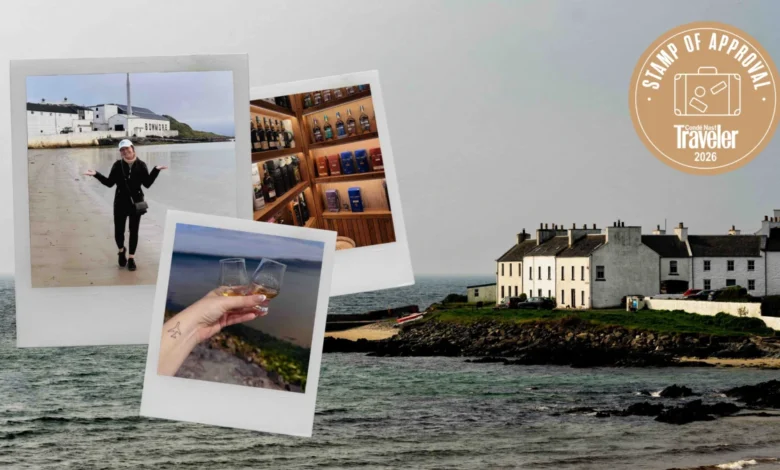
For connoisseurs of peated single malts, few destinations hold the mythical status of Islay. Situated as the southernmost island of Scotland’s Inner Hebrides, this 240-square-mile expanse is globally renowned for producing intensely smoky, brine-kissed whiskies shaped by maritime weather and centuries of traditional distillation. When one dedicated aficionado approached his milestone 60th birthday, his lifelong dream was to explore Islay’s rugged coastline and legendary distilleries alongside his daughter. Seeking a balance between independent exploration and structured logistics on an island where travel infrastructure requires meticulous planning, they booked Rabbie’s four-day Islay and the Whisky Coast tour departing from Edinburgh.
The journey offers an illuminating look into how specialized small-group travel operates within rural Scottish communities, highlighting the logistical triumphs and adaptive nature required when navigating remote geographic regions. Priced competitively—starting at approximately $609 per adult for baseline transit and guide services, scaling up to roughly $1,464 all-inclusive with accommodations and select distillery packages—the itinerary provides an accessible gateway into a historically insular market.

Main Facts and Tour Overview
Rabbie’s small-group expedition utilizes 16-seat Mercedes mini-coaches, striking a balance between intimate group dynamics and efficient overland transit. The fixed itinerary is engineered to transport travelers from the urban core of Edinburgh across the Scottish Lowlands, through scenic national parks, and across the Sound of Jura via ferry to the Isle of Islay.
The primary operational details of the tour include:
- Duration: Four days and three nights.
- Group Size: Capped at a maximum of 16 participants to ensure maneuverability and personalized attention from the tour guide.
- Accommodation: Group-shared cottages located centrally in Bowmore, featuring shared communal spaces and private bedrooms.
- Inclusions: Professional driver-guide, luxury mini-coach transportation, and round-trip ferry crossings between Kennacraig and Islay. Distillery entry fees and specialized tastings are typically integrated or available as optional add-ons depending on the chosen booking tier.
Chronological Itinerary and Route Breakdown
Day One: Departure from Edinburgh to the Isles
The expedition commences in Edinburgh, where travelers gather at the central bus station. A professional driver-guide—in this instance, a knowledgeable Glaswegian storyteller named Peter McShane—sets the cultural tone with traditional music and folklore commentary.

The route heads west toward Falkirk to view the iconic, towering Kelpies sculptures before meandering through the Lowlands and the mountainous peripheries of Loch Lomond and The Trossachs National Park. Travelers make a lunch and exploration stop in Oban, widely celebrated as the "Gateway to the Isles," where fresh seafood and a preliminary tasting at the historic Oban Distillery introduce participants to coastal single malts.
In the late afternoon, the mini-coach proceeds to the port of Kennacraig to board the Caledonian MacBrayne ferry. The two-hour sailing traverses the glassy waters of the Sound of Jura, culminating in sweeping views of the Paps of Jura mountain range as the vessel approaches Islay. Travelers settle into their accommodations at the Bowmore Distillery Cottages for the evening.
Day Two: Unveiling Islay’s Western and Northern Distilleries
The first full day on the island begins with a short walk to the Bowmore Distillery, established over two centuries ago in 1779. Participants receive an educational overview of traditional floor malting and cask maturation, followed by cellar tastings straight from the cask and upstairs sampling pairings overlooking the sea.

Given Islay’s compact population of approximately 3,000 residents and the operational fluctuations inherent to remote island manufacturing, itineraries frequently require dynamic adjustments. Guided groups often pivot based on seasonal distillery availability. On this particular tour, the schedule diverted from Kilchoman to Ardnahoe for an introductory tour, followed by a scenic drive to Bunnahabhain—Islay’s most remote distillery—showcasing sweeping views of clear blue waters and a four-dram tasting session.
Day Three: The Legendary Southern Coast
The third day focuses on the island’s southern corridor, famously home to heavy-hitting peated powerhouses situated along the rocky shores of the Atlantic: Ardbeg, Lagavulin, and Laphroaig.
Despite operating under weekend scheduling constraints that occasionally limit formal facility access, the group experienced a condensed walkthrough of Ardbeg’s production areas, culminating in a five-dram tasting session in the open air. The afternoon included a cultural stop at Kildalton Church to view an eighth-century Celtic cross—one of Scotland’s finest early Christian monuments—followed by a lunch break in the historic port town of Port Ellen.

The afternoon concluded with a visit to Laphroaig Distillery. Here, visitors received an immersive walkthrough of the traditional peat kilns, copper stills, and dunnage warehouses, sampling regional expressions while wearing commemorative Glencairn glasses suspended on lanyards.
Day Four: Return Journey via Inveraray and Luss
Departing Islay on the morning of the fourth day, the ferry voyage back to Kennacraig allows participants to reflect on the journey over a full Scottish breakfast. The overland return leg features a luncheon stop in the historic castle town of Inveraray, a drive through the rugged Arrochar Alps, and a panoramic pause at the famous "Rest and Be Thankful" mountain pass. The tour concludes with a final stop in the quintessential loch-side conservation village of Luss before returning to Edinburgh by evening.
Supporting Data and Economic Impact
The rise of specialized whisky tourism in Scotland represents a significant economic driver for remote council areas like Argyll and Bute. According to the Scotch Whisky Association (SWA), Scotch whisky exports remain a cornerstone of the UK’s food and drink sector, generating billions of pounds annually. Concurrently, distillery tourism has experienced a profound renaissance, with millions of visits recorded across Scottish distilleries post-pandemic.

Tours like those offered by Rabbie’s play a vital role in decentralizing tourism revenue away from major metropolitan hubs like Edinburgh and Glasgow, directly supporting peripheral island economies. By bundling transportation, local guiding, and ferry transit, group operators mitigate the logistical barriers—such as single-track driving challenges and limited rental car availability—that often deter international travelers from visiting the Inner Hebrides independently.
Official Responses and Industry Perspectives
While formal corporate commentary from tour operators emphasizes safety, comfort, and cultural immersion, consumer feedback highlights the psychological and social dynamics of small-group travel. Industry analysts note that group sizes capped under 20 passengers foster a distinct sense of community, transforming strangers into cohesive travel cohorts over the span of a few days.
Participants frequently emphasize the value of local expertise. Guides function not merely as drivers, but as cultural ambassadors equipped with deep knowledge of regional geology, Gaelic history, and industrial heritage. For multi-generational travelers—such as parents and adult children celebrating milestone birthdays—structured tours remove the friction of vacation planning, allowing participants to focus entirely on shared experiences and educational enrichment.

Broader Impact and Implications for Travel Trends
The success of niche itineraries like the Islay and Whisky Coast tour underscores a broader shift in modern consumer preferences toward experiential, slow-travel tourism. Rather than ticking off generic sightseeing landmarks, contemporary travelers increasingly seek deep dives into specific craft traditions, culinary heritages, and regional ecosystems.
For Islay, managing the delicate balance between surging tourist demand and environmental preservation remains an ongoing challenge. Local authorities and distillery operators continually adapt their visitor management strategies to ensure that increased foot traffic does not compromise the pristine natural landscape or the fragile infrastructure of the island. Nevertheless, for travelers seeking an authentic encounter with Scotland’s liquid gold, small-group expeditions offer a sustainable, highly organized model that honors both the heritage of the craft and the comfort of the consumer.