Artemis II Commander Reid Wiseman Transitions to Leadership Role at NASA Jet Propulsion Laboratory

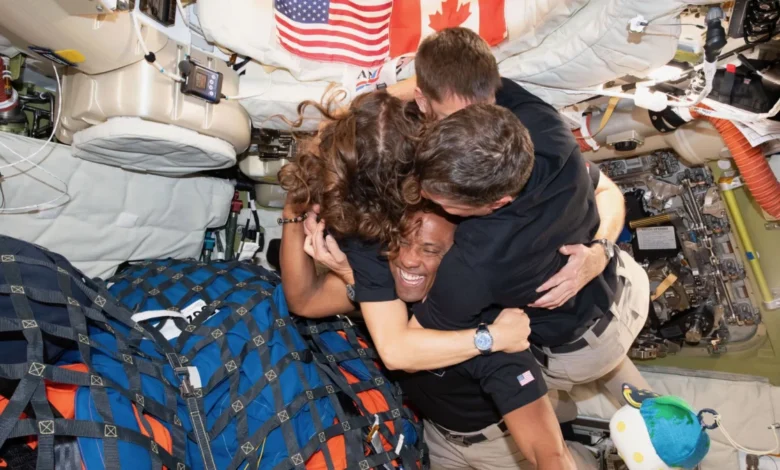
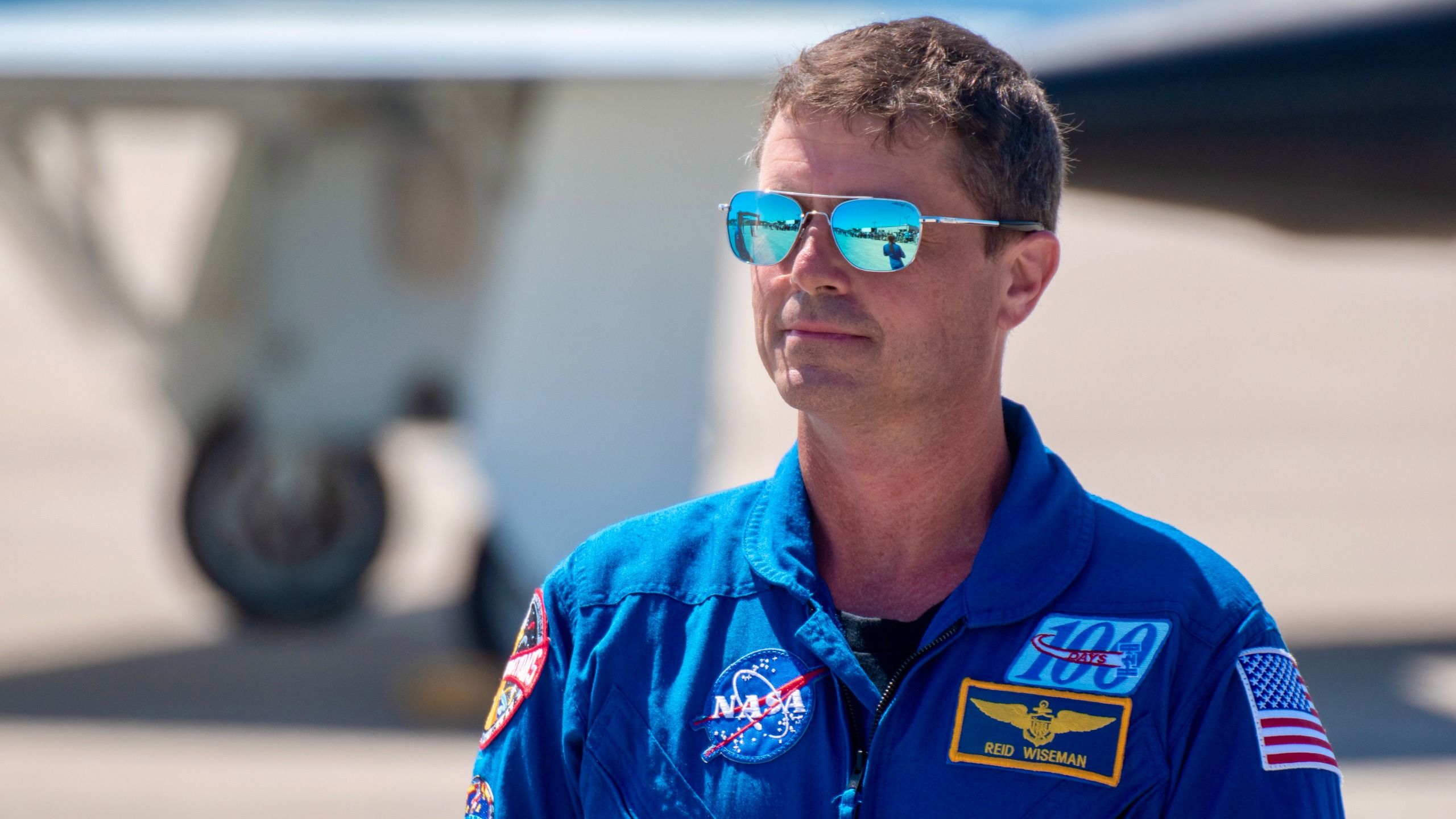
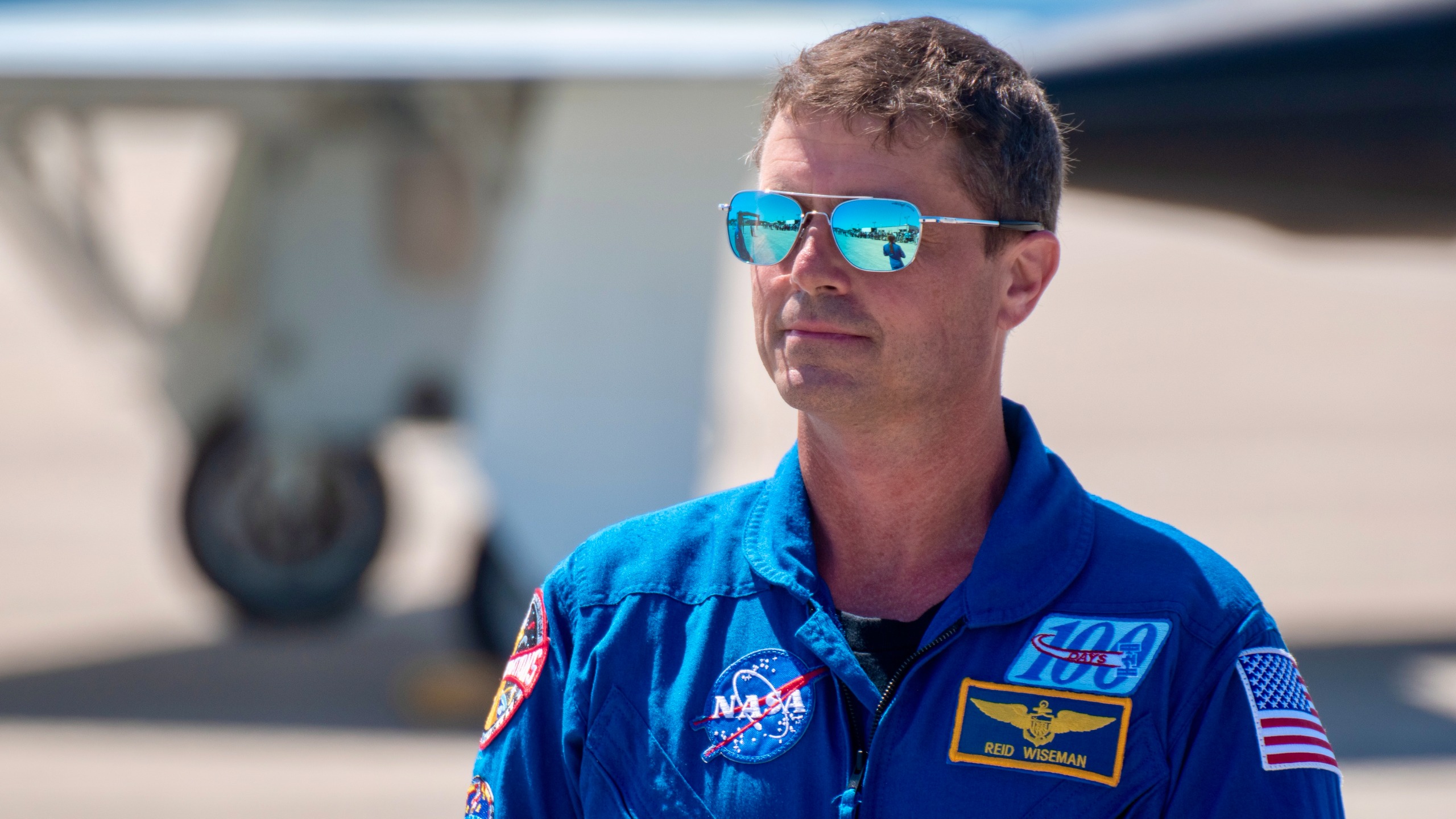
The departure of the Artemis II crew from active flight status marks the end of a pivotal chapter in modern space exploration, with the mission’s commander, Reid Wiseman, becoming the final member of the historic quartet to secure a post-mission career path. Following a successful ten-day lunar voyage in April 2026—a mission that pushed human presence further into deep space than ever before—Wiseman has been appointed as the associate vice president and deputy director of the NASA Jet Propulsion Laboratory (JPL), effective November 30.
This appointment serves as the culmination of a broader post-flight transition for the Artemis II crew, all of whom have now officially stepped down from active astronaut duty. The realignment of these four spaceflight veterans underscores a strategic shift for both the individuals and the agencies they represent, as the knowledge gained from their lunar orbit informs the next phase of the Artemis program’s aggressive roadmap toward a sustained human presence on the moon.
A Career Defined by Exploration and Leadership
Reid Wiseman’s appointment to the JPL leadership team is widely viewed as a bridge between the operational intensity of human spaceflight and the technical rigor of robotic deep-space exploration. A Baltimore native and decorated U.S. Navy captain, Wiseman brings a wealth of experience to the role, having served as a test pilot and an veteran of the International Space Station (ISS). During his 165-day residency aboard the ISS in 2014, he completed two spacewalks and honed the operational expertise that later led to his selection as NASA’s chief astronaut from 2020 to 2022.
As deputy director, Wiseman will operate under Director Dave Gallagher. His primary focus will involve overseeing the strategic stewardship of JPL, a federally funded research and development center that serves as the backbone for NASA’s most complex planetary science missions. From the Perseverance and Curiosity rovers on Mars to the ambitious Europa Clipper mission and the legacy of the Voyager probes, JPL remains the primary hub for robotic exploration. Wiseman’s role will be to ensure that the laboratory’s operational framework remains robust enough to support these high-stakes endeavors.
The Artemis II Legacy: A Chronology of Success
The Artemis II mission, which launched on April 1, 2026, was a triumph of engineering and human resilience. The ten-day voyage served as a critical "check-out" mission for the Orion spacecraft’s life support and navigation systems with a full crew on board. By successfully circling the far side of the moon, the crew provided essential data required to clear the path for the Artemis III lander test flight.
The timeline of the crew’s transition reflects a deliberate winding down of their flight status:
- July 2026: Mission specialist Jeremy Hansen announces his departure from active astronaut status to return to reservist duty with the Royal Canadian Air Force, marking the first of the quartet to pivot.
- September 2026: Commander Reid Wiseman and Pilot Victor Glover formally transition to "astronaut emeritus" status, signaling their intent to pursue new professional challenges.
- November 1, 2026: Christina Koch, who served as a mission specialist, begins her tenure as NASA’s acting deputy chief engineer.
- November 30, 2026: Reid Wiseman officially assumes his position at the Jet Propulsion Laboratory.
The swiftness with which these highly skilled individuals transitioned to new roles—often in government, academia, or high-level management—speaks to the high demand for their unique blend of technical, leadership, and public-facing skills. Victor Glover, for instance, has moved into an executive advisory role at California Polytechnic State University, ensuring that his operational experience will inform the next generation of aerospace engineers.
The Institutional Impact of the Transition
The appointment of a former astronaut to a leadership role at JPL is not merely a change in personnel; it reflects an institutional effort to integrate human spaceflight requirements more closely with robotic development. NASA Administrator Jared Isaacman praised the appointment, noting that Wiseman’s "operational experience and technical judgment" are exactly what the agency requires as it prepares to bridge the gap between orbital missions and surface landings.
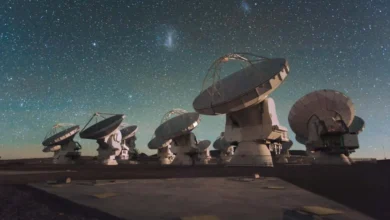
JPL, managed by Caltech, is a massive enterprise that operates the Deep Space Network—the essential array of radio antennas that allows humanity to communicate with spacecraft across the solar system. By placing a seasoned commander in a deputy director position, the lab aims to streamline communication between the human-centric goals of the Artemis program and the technological capabilities of its robotic fleet.
Data-Driven Future: The Path to 2028
The Artemis II mission was not an end goal but a foundational requirement. The flight data gathered regarding radiation exposure, life support stability in deep space, and the performance of the Orion spacecraft during reentry is currently being integrated into the development of the Artemis III mission, which is targeted for mid-2027.
The technical implications of the Artemis II mission are substantial. The crew successfully demonstrated that the Orion craft could function as a long-duration habitat, a necessity for the multi-week missions envisioned for the lunar surface. As NASA moves toward the 2028 goal of a permanent human lunar landing, the agency is juggling multiple complex partnerships. The use of SpaceX’s Starship and Blue Origin’s Blue Moon landers, combined with the lunar gateway station, requires a high level of inter-agency and commercial coordination.
The "emeritus" status of the Artemis II crew members allows them to continue advising these programs in a consultative capacity while moving away from the training-heavy schedules of active flight status. This creates a "brain trust" of lunar-experienced personnel who can mentor the next cohorts of Artemis astronauts.
Broader Implications for Human Space Exploration
The departure of the Artemis II crew from active flight status signals a transition in the culture of space exploration. Whereas the Apollo era was defined by the singular, monumental goal of a "flags and footprints" landing, the modern era is focused on sustainability and infrastructure. The career paths chosen by Wiseman, Glover, Koch, and Hansen reflect this; they are moving into positions that build the infrastructure—educational, engineering, and administrative—that will support a long-term human presence in space.
Wiseman himself has framed his career move as a logical evolution of his time in space. Reflecting on his lunar experience, he remarked, "I’ve explored the furthest reaches of what a human can explore at NASA, and there were truly no words in the English vocabulary to describe seeing the sun disappear behind the moon from deep space. But that experience was really the jumping off point to go do the impossible things that Caltech and JPL dream, dare together, and do for NASA and the nation."
Conclusion
The professional redistribution of the Artemis II crew serves as a reminder that the success of a mission is measured not only by the miles traveled or the orbit achieved but by the long-term institutional knowledge that remains once the mission is complete. As Reid Wiseman prepares to assume his duties at the Jet Propulsion Laboratory, the space industry watches with interest to see how this infusion of flight-hardened leadership will shape the next decade of discovery. With the roadmap for Artemis III and IV clearly defined, the transition of these four pioneers into roles of high-level guidance ensures that the spirit of exploration remains firmly rooted in the technical and operational realities of the next frontier.