Navigating Security Deposits: Understanding the Boundary Between Normal Wear and Tear and Property Damage

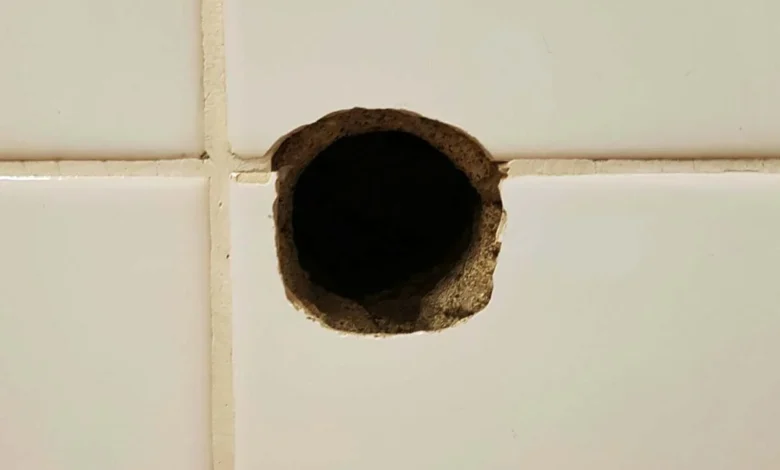
Moving out of a rental property initiates a standard, often stressful sequence of events: packing boxes, executing a deep clean, returning keys, and anxiously awaiting the return of a financial security deposit. For millions of renters nationwide, from Tampa, Florida, to Anaheim, California, the primary financial anxiety upon vacating a home is whether deductions will be levied for conditions that are simply a byproduct of habitation. While landlords retain the legal right to withhold funds for specific types of property degradation, federal, state, and local housing regulations draw a strict legal boundary between natural aging—known as normal wear and tear—and actionable property damage. Comprehending this distinction, alongside the operational mechanics of lease agreements and move-in documentation, is essential for tenants seeking to protect their financial assets at the termination of a tenancy.
The Economics and Mechanics of Security Deposits
A security deposit functions as a financial safeguard for residential landlords, mitigating the risk of unpaid rent, lease breaches, or severe property damage inflicted during a tenant’s occupancy. Collected prior to move-in, these funds are legally required to be held in designated escrow or trust accounts depending on state jurisdiction. Upon lease termination, landlords or property management firms conduct a comprehensive physical inspection of the premises to evaluate its structural and cosmetic state.
Legally, landlords are permitted to deduct funds from a security deposit to cover specific remediation costs, which commonly include unpaid utility bills, deep professional cleaning necessitated by excessive filth, breach of contract penalties, and genuine property damage. Conversely, deductions are legally prohibited for routine turnover costs, such as standard repainting, carpet steam cleaning between normal tenancies, or structural upgrades designed to improve the property’s market value. Furthermore, statutory frameworks in most jurisdictions mandate that landlords provide a detailed, itemized statement of deductions alongside the partial or full refund within a tightly regulated window—often ranging from 14 to 60 days post-vacating. Failure to adhere to these statutory timelines can result in financial penalties for the landlord, sometimes forcing them to forfeit the entire deposit amount or pay statutory damages to the tenant.
Defining Normal Wear and Tear vs. Property Damage
The legal and financial friction in tenant-landlord relations typically centers on categorizing physical alterations to a rental unit. Normal wear and tear is defined as the gradual, inevitable deterioration of a property that occurs naturally through daily, non-negligent use and the passage of time. Because a residential unit will naturally show signs of life after a year or more of habitation, landlords are expected to absorb these routine aging costs as part of the standard cost of doing business.
Michael D. Swing of Swing Property Management Services notes that everyday marks frequently cause unwarranted anxiety among vacating residents. “Basic wear and tear are simple dirt lines from the back of a couch or bedroom headboard that leave marks on the walls,” Swing explains. “It also could be a color streak on the walls or molding from items rubbing against them when accidentally moved near the wall or baseboard.”
By contrast, property damage arises from tenant negligence, abuse, accidents, or intentional misuse, extending far beyond the parameters of ordinary residential living. To assist both parties in objective evaluation, property management professionals utilize clear comparative metrics:
| Normal Wear and Tear | Property Damage |
|---|---|
| Faded, peeling, or yellowed paint due to age and sunlight exposure | Crayon, marker, or unapproved paint colors on walls |
| Minor carpet fiber compression and wear along primary walkways | Large, unremovable stains, cigarette burns, or pet urine destruction in carpets |
| Small, single nail holes or picture-hanger indentations | Large drywall gouges, anchor holes, or unauthorized structural modifications |
| Light scuffs and surface scratches on hardwood or laminate flooring | Deep gouges, splintered wood, subfloor rot, or unaddressed water damage |
| Naturally discolored or worn tile grout | Cracked, shattered, or missing ceramic and porcelain tiles |
In evaluating these conditions, property law also mandates the consideration of temporal factors, notably the age of the materials and the length of the tenancy. A carpet installed 15 years prior to move-in carries little to no remaining economic useful life; therefore, charging a tenant for its replacement upon vacating is legally indefensible. Similarly, a tenant who occupies a single-family home for five consecutive years will naturally generate a higher volume of surface scuffs and cosmetic aging than a tenant who breaks a lease after six months, a reality that property managers must factor into deposit calculations.
The Contested Territory of Wall Hangings and Fixtures
Among the myriad items subject to dispute during a security deposit reconciliation, interior walls consistently generate the highest volume of friction between tenants and management entities. The complexity lies not merely in the presence of holes, but in the structural method and intent behind them.
Dave Goldberg of Goldberg Group Property Management highlights that wall-related disputes hinge entirely on the mechanics of the alteration. “When a tenant vacates, they should not attempt to patch and paint a hole in a wall, as most leases restrict tenants from doing this themselves,” Goldberg states. “If it’s a picture hanger and the nail hole is small, that’s not ‘excessive wear and tear.’ However, if the tenant hung a bracket to support a TV mounted on a wall, these holes are considered ‘excessive wear and tear,’ and the tenant will be charged a percentage of the cost to repair that wall.”
Furthermore, unauthorized DIY patch jobs by tenants frequently exacerbate the issue. In amateur attempts to repair minor nail holes prior to an inspection, tenants often utilize mismatched spackle or incorrect paint sheens, creating an aesthetic blemish that requires professional drywall skimming and complete wall repainting by the landlord—costs that are then legally passed onto the tenant’s security deposit. Industry experts universally recommend consulting management before executing any modifications involving wall anchors, heavy shelving, or mounted electronics.
Chronology and Best Practices: The Move-In and Move-Out Inspection Timeline
Mitigating deposit disputes requires a proactive, methodical approach structured around specific chronological milestones throughout the life cycle of a lease agreement. Establishing an irrefutable evidentiary record serves as the most effective defense against unfair financial deductions.
Phase 1: Pre-Lease Review and Lease Execution
Prior to signing any binding residential contract, prospective tenants must carefully analyze the lease fine print. Particular attention must be paid to clauses governing automatic lease renewals, pet deposits, cleaning fee schedules, and mandatory professional carpet cleaning clauses. If any lease provisions contradict state statutory protections regarding security deposits, state law supersedes private contract terms.
Phase 2: The Move-In Walkthrough
On the exact day keys are transferred, the tenant must conduct a meticulous, room-by-room physical inspection alongside the landlord or property manager, if feasible.
- Document every existing flaw, scratch, stained tile, or hairline crack on the official move-in condition checklist.
- Capture comprehensive, date-stamped high-resolution photographs and video footage of all surfaces, appliances, and fixtures.
- Transmit a duplicate copy of the inspection report and visual media to the landlord via email to establish a contemporaneous, shared baseline record.
Phase 3: Ongoing Tenancy and Maintenance Notification
Throughout the occupancy period, tenants must promptly report maintenance issues—such as leaking pipes, roof drips, or failing window seals—in writing. Failing to report minor water intrusion promptly can transform a simple maintenance fix into catastrophic property damage (such as mold proliferation or structural rot), for which the tenant may be held financially liable.
Phase 4: The Move-Out Inspection and Reconciliation
Weeks prior to lease termination, the tenant should schedule a preliminary walkthrough with management to identify potential remediation areas. Upon completely vacating, cleaning the unit thoroughly, and removing all personal property, the tenant must repeat the photographic documentation process.
Joshua Rabinovitz, president of King George Property Management, emphasizes that comprehensive documentation remains the definitive preventative measure against deposit disputes. “My advice to renters is to thoroughly document the property’s condition with photos at move-in and move-out, as this is one of the simplest ways to avoid disagreements over security deposits,” Rabinovitz notes. Comparing move-in imagery directly against move-out imagery provides an objective standard to differentiate natural degradation from actionable abuse.
Legal Remedies and Broader Economic Implications
When a tenant receives a final statement of deductions that appears unjustified or violates state regulations, a structured escalation path is available. Jurisdictional laws heavily favor strict adherence to statutory timelines and transparent itemization; landlords who withhold funds in bad faith face severe legal exposure.
The standard procedure for addressing contested deductions involves:
- Direct Communication and Formal Dispute: Drafting a formal, written demand letter referencing specific state statutes, attaching side-by-side move-in and move-out photographic evidence, and requesting a detailed breakdown or immediate return of the disputed funds.
- Mediation Services: Utilizing local tenant-landlord mediation boards, which offer free or low-cost third-party arbitration to resolve disputes without escalating to formal court proceedings.
- Small Claims Litigation: Filing a claim in local small claims court. In numerous states, statutory provisions dictate that if a landlord is found to have wrongfully or maliciously withheld a security deposit, the court may award the tenant double or triple the wrongfully withheld amount, alongside mandatory coverage of court filing fees and attorney costs.
Conclusion
Understanding the structural separation between normal wear and tear and property damage empowers renters to navigate the complex landscape of residential leasing with confidence. By recognizing that natural aging elements—such as minor wall scuffs, faded paint, and carpet compression—are standard operational costs for property owners, tenants can actively resist improper financial deductions. Combined with meticulous, date-stamped photographic documentation during apartment walkthroughs, a thorough reading of lease agreements, and a working knowledge of state-specific landlord-tenant laws, renters can safeguard their financial assets and ensure a fair, transparent conclusion to their tenancy.