The Ultimate Guide to Stockholm: How Sweden’s Archipelago Capital Balances Urban Sophistication with Nordic Wilderness

Stockholm, the dynamic capital of Sweden, has long held a reputation as one of Europe’s most aesthetically captivating and environmentally progressive metropolises. Spanning 14 distinct islands interconnected by 57 bridges, the city presents a unique geographical duality: it offers the cultural sophistication, culinary innovation, and architectural heritage of a major European hub while remaining inextricably linked to the surrounding Baltic Sea and a vast, pristine archipelago comprising over 30,000 islands and islets. In recent years, urban planners, tourism boards, and hospitality entrepreneurs have observed a significant shift in traveler preferences. Modern visitors increasingly seek destinations that seamlessly blend the stimulation of metropolitan discovery with immediate access to fresh air, outdoor recreation, and restorative wellness practices. Stockholm meets this demand effortlessly, establishing itself as a premier destination for travelers looking to balance high-culture gallery hopping and historic exploration with nature-based excursions.
The Main Facts: Geography, Heritage, and the Modern Traveler
At the heart of Stockholm’s enduring appeal is its diverse urban landscape, where centuries-old history coexists with cutting-edge design. The city’s historical core, Gamla Stan (the Old Town), dates back to the 13th century and features some of the best-preserved medieval cobbled streets in Europe. Here, Gothic and Renaissance architecture lines narrow alleys, contrasting sharply with the sleek, minimalist aesthetics found in neighborhoods like Södermalm and Östermalm.
Stockholm’s cultural footprint extends far beyond its medieval foundations. The city is internationally renowned for its world-class museums, including the Vasa Museum—home to the world’s only intact 17th-century warship, which sank in Stockholm harbor on its maiden voyage in 1628—and the globally celebrated ABBA The Museum, which pays homage to Sweden’s most famous pop export. Furthermore, the city’s culinary scene has undergone a renaissance, transitioning from traditional fare like herring and meatballs to innovative New Nordic gastronomy, complemented by a deeply ingrained café culture centered around the ritual of fika, typically enjoyed with freshly baked cardamom and cinnamon buns.
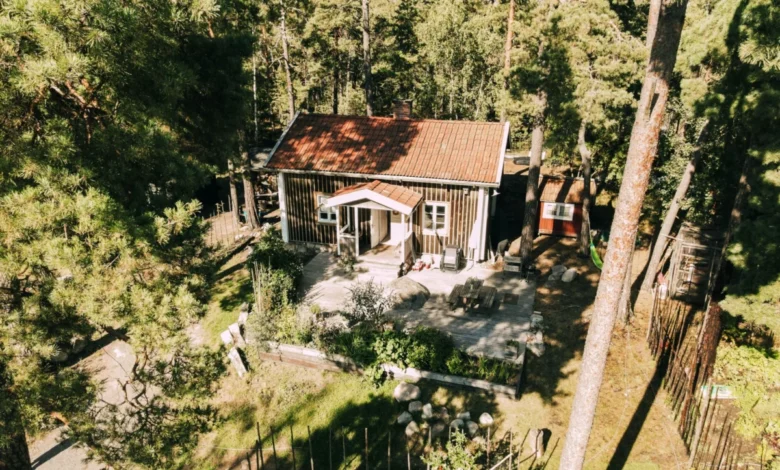
For accommodation, while Stockholm boasts a distinguished portfolio of luxury hotels—ranging from elegant converted townhouses to the historic former residence of renowned children’s author Astrid Lindgren—travelers seeking an authentic, independent lifestyle experience increasingly turn to private rentals. Platforms like Airbnb have transformed the short-term lodging market, offering curated properties that range from design-forward city-center apartments to secluded waterfront retreats equipped with private saunas and cold plunges. Vetted against rigorous criteria including Superhost status, high guest ratings, premium amenities, and architectural merit, these rentals provide a localized home-from-home environment that traditional hotels often struggle to replicate.
Chronology of Stockholm’s Tourism and Urban Evolution
Understanding Stockholm’s current status as a beacon of sustainable urban tourism requires examining its historical trajectory from a strategic Viking trading post to a modern, eco-conscious global capital.
- 1252: Stockholm is officially founded by Birger Jarl as a strategic fortification to protect Sweden from naval attacks and to control trade between the interior and the Baltic Sea.
- 1628: The royal warship Vasa sinks in Stockholm harbor moments after setting sail. Salvaged in 1961, it becomes the cornerstone of the city’s maritime heritage tourism centuries later.
- 1923: Stockholm City Hall is completed, designed by architect Ragnar Östberg. It soon becomes an architectural icon of Swedish National Romanticism and the venue for the annual Nobel Prize banquet.
- 1990s: Sweden experiences a cultural and economic modernization, positioning Stockholm as a global hub for design, fashion, and technology, frequently dubbed the "Silicon Valley of Europe."
- 2010: Stockholm is named the inaugural European Green Capital by the European Commission, validating decades of rigorous municipal environmental policies, public transport expansion, and urban green space preservation.
- 2024–Present: The opening of new infrastructural projects, such as the Stockholm Archipelago Trail—a continuous 270-kilometer hiking path spanning 21 islands—further cements the city’s dual identity as both a premier cultural metropolis and an accessible wilderness gateway.
Supporting Data: Tourism Metrics and Hospitality Trends
Statistical analysis from Stockholm’s municipal tourism agency, Visit Stockholm, alongside national hospitality data, highlights a profound shift in visitor behavior and accommodation preferences over the past decade.
- Green Space Integration: Stockholm features over 2,700 hectares of municipal parkland and water reserves. Approximately 30% of the city’s surface area is water, and another 30% is dedicated to parks and open spaces, ensuring that no resident or visitor is ever more than 300 meters away from a green area.
- Accommodation Preferences: Alternative lodging options, particularly high-end private rentals, have seen a steady annual growth rate of 7.4% in bookings across the Swedish capital. Travelers increasingly prioritize amenities that reflect Nordic lifestyle philosophies, such as private balconies, minimalist Scandinavian design, and wellness facilities like saunas—features found in nearly 25% of top-tier residential listings in the region.
- Sustainable Mobility: Over 75% of Stockholm’s hotel and alternative lodging guests utilize the city’s extensive public transportation network—comprising the metro, commuter trains, electric ferries, and buses—all of which operate predominantly on renewable energy sources. Furthermore, Stockholm aims to achieve a completely fossil-free transport sector by 2030.
Official Responses and Expert Perspectives
Urban planners, tourism economists, and hospitality stakeholders have increasingly emphasized the necessity of balancing urban growth with environmental preservation.
Dr. Helena Karlsson, professor of Urban Geography at Stockholm University, notes that the city’s architecture and layout naturally foster a sustainable tourism model. "Stockholm is not a city designed for mass, impersonal tourism; its archipelago geography and island structure naturally decentralize crowds," Dr. Karlsson explains. "Visitors staying in private apartments across different islands—whether in Kungsholmen, Vasastan, or out on Värmdö—contribute to a distributed local economy. They shop at neighborhood bakeries, use local transit, and engage with the city on a residential level."
Meanwhile, representatives from Visit Stockholm have actively promoted initiatives that encourage travelers to explore beyond the central tourist corridors. In official statements regarding the launch of expanded regional hiking and cycling routes, the agency highlighted the importance of slow travel. "Our goal is to invite visitors to experience Stockholm not merely as a weekend city break, but as an immersive lifestyle destination," a Visit Stockholm spokesperson stated. "By highlighting neighborhoods with distinct characters and pairing them with high-quality, sustainable accommodations, we ensure that tourism benefits both the traveler and the local community."
Broader Impact and Implications for Modern Travel
The evolution of Stockholm’s tourism landscape carries significant implications for the broader European travel sector. As major European destinations increasingly grapple with the negative externalities of overtourism—such as housing shortages, infrastructural strain, and the homogenization of city centers—Stockholm’s model offers a viable alternative.
By leveraging its unique geography—where urban infrastructure directly intersects with untamed natural environments—the city successfully disperses visitor density. The popularity of well-appointed private rentals situated outside the immediate historic core encourages travelers to spend more time exploring residential neighborhoods, thereby supporting small, independent businesses, local artisans, and neighborhood eateries rather than multinational chains.
Furthermore, the integration of wellness-oriented amenities, such as traditional Scandinavian saunas, cold-water immersion spots, and proximity to the newly minted Archipelago Trail, reflects a broader global shift toward health-conscious and regenerative travel. Travelers are no longer satisfied with passive sightseeing; they demand active engagement with local cultural traditions and natural ecosystems.
Ultimately, Stockholm’s ability to harmonize its historical legacy with modern ecological and lifestyle innovations serves as a case study for sustainable urban tourism. Whether navigating the medieval alleyways of Gamla Stan, touring world-class museums, or retreating to a design-forward coastal apartment complete with a private steam room, visitors to Sweden’s capital participate in an ecosystem that values quality, sustainability, and authenticity above all. As global travel continues to evolve in the post-pandemic era, Stockholm remains a benchmark for cities seeking to honor their past while consciously engineering a livable, breathable future.