Route 66 Centennial: A Deeper Dive into Albuquerque’s Iconic Stretch Through the Eyes of a Pedestrian

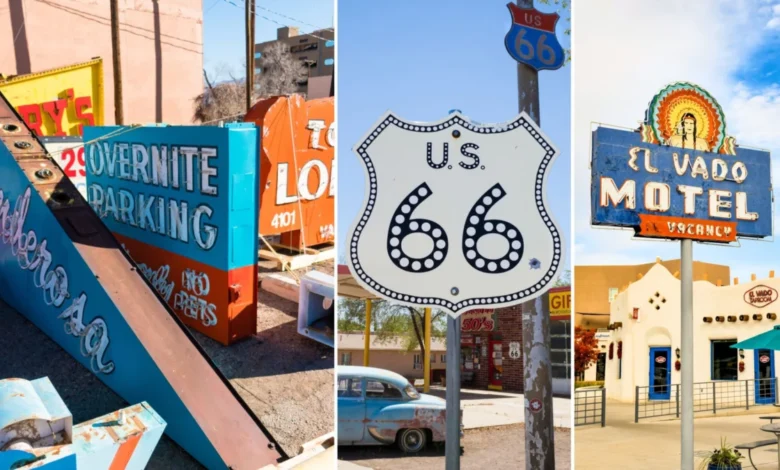
One hundred years after its designation, U.S. Route 66, often dubbed the "Mother Road," continues to capture the American imagination. While the romantic ideal of cruising with the top down, wind in your hair, and rock and roll on the radio remains potent, the reality of this historic highway is now as much about its vibrant tapestry of roadside kitsch as it is about sweeping landscapes. From neon cowboy signs to the ubiquitous "World’s Largest" attractions, and playfully punny billboards, Route 66 offers a unique brand of Americana. However, to truly appreciate its enduring charm and evolving character, one must often slow down, a notion that led one traveler to explore Albuquerque’s 18-mile urban stretch of the route – on foot.
Albuquerque, New Mexico, holds a special significance for Route 66 enthusiasts. It boasts the longest continuous urban mileage of the original highway within city limits, an impressive 18 miles that wind through diverse neighborhoods. Furthermore, New Mexico as a state claims the most miles of the cross-country route, totaling 535 miles that once connected Chicago to Los Angeles. This extended urban passage through Albuquerque typically mandates a reduced speed of 25 miles per hour for drivers, forcing a glimpse of retro diners, neon "Vacancy" signs, and stucco buildings adorned with chili ristras. But what happens when one eschews the vehicle altogether and opts for a pedestrian’s pace?

The endeavor to traverse this iconic road on foot, even for a portion, offers a profoundly different perspective. Armed with little more than comfortable shoes, a tote bag, and a water bottle, this exploration aimed to uncover the layers of history, culture, and quirky charm that define Route 66 in Albuquerque, revealing a narrative far richer than a fleeting drive-by might suggest.
A Century of the Mother Road: Historical Context and Evolution
The establishment of U.S. Route 66 in 1926 was a monumental achievement in American infrastructure. It was part of the original highway system, designed to connect rural communities and facilitate commerce and travel across the nation. For decades, it served as the primary artery for migration, particularly during the Dust Bowl era when hundreds of thousands of families traveled west in search of opportunity. This period cemented its legendary status in American folklore, immortalized in John Steinbeck’s "The Grapes of Wrath."
However, the advent of the Interstate Highway System in the mid-20th century began to eclipse Route 66. As faster, more direct routes emerged, many sections of the Mother Road fell into disrepair, becoming ghost towns and relics of a bygone era. Yet, a powerful preservation movement emerged, recognizing the cultural and historical significance of these byways. Efforts to revitalize and protect Route 66 gained momentum, transforming it into a major tourist destination, celebrated for its unique Americana and nostalgic appeal. Today, the centennial of Route 66 is being marked by a series of events, publications, and renewed interest in its storied past and vibrant present.

Hour 1: Neon Dreams and Native American Artistry
The journey began on the western edge of Albuquerque, at the intersection of Route 66 and New York Avenue. The early June sun, already intense at 85 degrees Fahrenheit and bone-dry, cast long shadows, highlighting the architectural remnants of a bygone era. The initial stretch was marked by a series of classic roadside motel signs, their neon tubes yet to flicker to life in the daylight. Landmarks like the El Don, with its lasso-swinging cowboy atop a horse, and the El Vado, featuring a man in a Native American headdress, stood as testaments to the road’s visual identity. The Monterey’s sign, with its thoughtful placement of "Sorry" before "No Vacancy," offered a touch of subtle charm. Beyond these iconic markers, the reality of a working highway presented itself: car washes, strip malls, and a wedding reception hall, reminders that Route 66 is not just a museum piece but a living, evolving thoroughfare.
A serendipitous stop at the post office yielded a significant find: a set of commemorative Route 66 stamps, a tangible piece of the road’s legacy. As the traveler emerged, the rumble of a motorcycle with an American flag billowing behind signaled the continued presence of freedom and individualism associated with the highway.
The route soon narrowed into the two-lane Central Avenue, the historic heart of Albuquerque. Here, the Rio Grande Trading Post presented itself as a significant cultural hub. Far more than a mere souvenir shop, it is recognized as one of the largest purveyors of Native American art in the United States. Inside, walls adorned with Navajo sand paintings and showcases brimming with wampum beads and Navajo pearls offered a glimpse into the rich artistic traditions of the region. Employees, like Martha, adorned in exquisite turquoise and silver jewelry, spoke with passion about the shop’s offerings, from Pendleton blanket lookalikes to the intricate silversmithing of artists like Alex Sanchez. The sentiment expressed by an employee, Greg, that the store was "like Disneyland," underscored the deep connection many feel to this cultural heritage.

Across the street, Duran’s Pharmacy offered a dual experience. While the front served as a traditional pharmacy, the back housed a beloved restaurant renowned for its New Mexican classics, such as red and green chile enchiladas and huevos rancheros. Though plans were made for a future culinary exploration, the immediate pursuit of unique trinkets led to the purchase of a pocket saint, a small yet meaningful memento.
Hour 2: A Taste of Nostalgia and Permanent Ink
The pedestrian journey continued, punctuated by the occasional fellow walker and the imposing presence of roadside advertisements, like a life-size heifer promoting a meat supplier. The iconic Dog House drive-in emerged as a significant landmark, instantly recognizable to fans of the television series "Breaking Bad," which frequently filmed in Albuquerque. Stepping inside, the modest exterior belied a surprisingly welcoming interior with colorful barstools and tables.
Ordering a chili cheese dog, a staple of the Route 66 experience, provided a moment of connection. A fellow diner, a railroad worker from Phoenix, shared his routine of stopping at the Dog House whenever he was in town, highlighting the enduring appeal of such local establishments. The preparation of the dogs, split and griddled for even cooking, and the satisfying snap of the footlong, nestled in a soft bun with a generous topping of chili, cheese, and jalapeños, proved to be a simple yet profound culinary experience. The total cost, under $5 including tip, underscored the affordability and accessibility of these classic roadside eateries.

A few paces away, Good Medicine, a tattoo shop housed in a former gas station, presented a visually arresting facade. Though closed, co-owner Elliot was on hand, watering plants. The interior, with its checkered tile floors, pink walls, and vibrant flash sheets, exuded an artistic energy. Elliot shared that all seven artists at Good Medicine are local to Albuquerque, many having returned after exploring their craft elsewhere. He spoke fondly of the Dog House as a spot for a "trashy lunch" and mentioned the regular influx of "Breaking Bad" tour buses. The shop’s slogan, "Permanent Kicks on ’66’," hinted at the lasting artistic imprints inspired by the highway. The promise of the Arrive Hotel, a modern establishment in the downtown area, beckoned towards the heart of the city’s activity.
Hour 3: Art, History, and a Curious Crossroads
The pedestrian’s path led to an art installation outside the Arrive Hotel, part of the touring collection "Alebrijes & Nahuals." The towering, spindly sculpture of a xoloitzcuintli, a Mexican dog revered for its role in guiding spirits, captivated onlookers. Conversations with fellow admirers, a recently retired couple, revealed the shared appreciation for art and the serendipitous nature of discovery on the road. Their reminiscences of childhood adventures at the Dog House and their passion for classic cars underscored the deep roots and personal connections many have to Albuquerque and Route 66. The slow pace of walking allowed for these organic encounters, fostering a sense of community and shared experience.
As the journey continued eastward, the city’s downtown revealed its blend of history and contemporary life. The Kimo Theatre, a 1947 art deco masterpiece, stood as a silent testament to a grander era. The presence of nightclubs, flamenco music schools, and bars like Anodyne Pool Hall, which would later prove to be a lively evening destination, highlighted the city’s dynamic cultural scene.

A pivotal moment occurred at the intersection of Central Avenue and 4th Street SW. This unassuming corner holds a unique place in Route 66 history: it is the only location in America where the famous road "crosses itself." This occurred when the original route was realigned in 1937. A representative at the Route 66 Tourist Office, set up for the centennial, provided maps, cold water, and recommendations for period-appropriate music, further immersing the traveler in the highway’s lore. Posing behind a cardboard cutout of a convertible, a playful reenactment of "driving" 66, symbolized the enduring spirit of adventure associated with the road.
Hour 4: Treasures Found in Vintage Finds
Venturing off the main drag of Route 66 onto 2nd Street, a thrift store beckoned with its eclectic array of goods. The interior resembled a sprawling garage sale, filled with Western novels, vintage t-shirts, retro toys, and musical instruments. A sign promising to beat any online price hinted at the store’s value proposition. The owner, Stu, shared candid insights into the city’s challenges, including the impact of the pandemic on homelessness and the persistent presence of ICE, alongside the community’s efforts to resist. He noted that shows like "Breaking Bad" and "Better Call Saul" were set in Albuquerque precisely because of these complex social dynamics, which also foster a strong sense of mutual support among residents.
Stu’s recommendation to take a bus to Nob Hill, as the stretches between downtown and that area could become sparser, proved practical. The purchase of a "Made in West Germany" bottle opener served as a tangible reminder of the journey and the stories encountered. The "windy season" was in full effect, a characteristic of Albuquerque’s climate that adds another layer to the travel experience.

The journey continued past the Crossroads Motel, a site made infamous by "Breaking Bad" as the "Crystal Palace." While the motel is now for sale, its presence served as a reminder of the road’s cultural impact on popular media. The allure of vintage cowboy boots and retro apparel at Heck Yeah caught the eye, but the looming threat of rain and limited luggage space prompted a continuation of the walk.
Hour 5: Unexpected Downpour and University Vibes
As the walk approached Nob Hill, the 66 Diner, a quintessential Route 66 establishment known for its Frito Pie and Grasshopper shakes, was found to be closed on Tuesdays. The rain began to fall in earnest, forcing a hop from one store awning to another. This section of Central Avenue, revitalized with new businesses in former deco storefronts, showcased the ongoing transformation of the historic corridor. Pilates studios and kava bars stood alongside shops catering to the student population of the nearby University of New Mexico. The sight of students navigating the rain under umbrellas added a contemporary layer to the historic streetscape. A passerby’s comment, "It starts slow, then it goes real fast!" offered a pithy observation on the unpredictable nature of both weather and life on the road.
Hour 6: "Stop Bagging, Start Bragging!" and a Deeper Connection
The pursuit of the "Burque" mural, a vibrant postcard-style artwork, became the immediate objective as the rain intensified. While the promise of more gift shops, taco stands, and markets lay ahead, the weather ultimately dictated the end of the walking portion of the exploration. However, the experience had already yielded a wealth of insights.

Albuquerque, it was clear, is a city of intriguing contrasts and genuine connections. Despite the absence of overt displays of civic pride, the interactions with locals were consistently warm and time generously given. The mention of a campaign, "Stop Bagging, Start Bragging Albuquerque," with its own website and podcast, highlighted a growing movement to celebrate the city’s unique character, describing it as "the most-interesting mid-size city in America."
The journey had exposed the traveler to a diverse range of experiences: the transformation of raw materials into art at the trading post, the simple pleasure of a famous hot dog, the shared memories of childhood adventures, the architectural evolution of historic buildings, and a wealth of Route 66 trivia. The walk also underscored the persistent realities of life in contemporary America, including social issues and economic challenges.
Ultimately, the pedestrian exploration of Route 66 in Albuquerque offered a profound understanding of the road’s enduring legacy. The connections made with locals, each with their own stories and perspectives, provided a richer tapestry of experience than any guidebook could offer. As the traveler prepared to rejoin colleagues for conference dinners, the knowledge gained from these firsthand encounters would undoubtedly offer a more nuanced and authentic perspective on the city, far exceeding that of those who relied solely on traditional tourist attractions. Should the opportunity arise to drive the entire Mother Road, knowing even a small section this intimately would be a profound privilege. The centennial of Route 66 is not just about celebrating its past, but about understanding its continued relevance and the vibrant communities that sustain its legend.