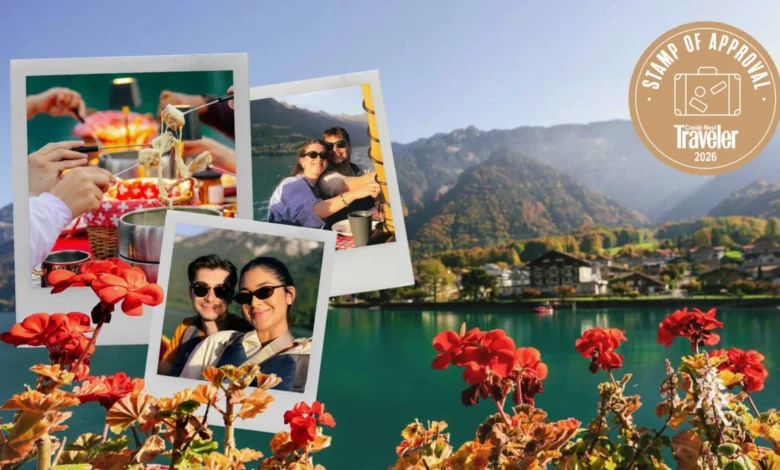
The evolution of modern tourism increasingly relies on experiential travel, where traditional cultural practices are paired with unconventional settings to capture the attention of younger demographics, such as Generation Z. A prime example of this trend is found in the Bernese Oberland region of Switzerland, where local tour operators have successfully transformed the country’s quintessential national dish into a mobile, water-based adventure. The Cheese Fondue Float, operated by Outdoor Switzerland on the pristine waters of Lake Brienz, represents a strategic shift in regional tourism marketing, blending heritage gastronomy with active outdoor leisure.
Main Facts and the Genesis of the Alpine Float
Operating out of the village of Bönigen near Interlaken, the Cheese Fondue Float takes small groups onto Lake Brienz—Switzerland’s deepest lake—aboard red inflatable Zodiac rafts. Participants are outfitted with safety gear, seated around a red-and-white-checkered table setup complete with built-in ceramic fondue pots (caquelons), and guided across the startlingly turquoise glacial waters by professional river and lake navigators.
The experience, which runs approximately ninety minutes, integrates traditional Swiss dining with light aquatic exploration. Each participant is provided with a substantial portion of melted cheese fondue, cubes of artisan bread for dipping, local white wine, water, and hot tea. The activity operates seasonally, typically spanning from September through April, accommodating changing weather conditions and seasonal tourist fluctuations. Private charters are available for small groups of up to eight individuals, making it an increasingly popular option for multi-generational families and corporate retreats seeking novel bonding activities.
Chronology and Evolution of the Experience

The concept of combining Swiss cheese traditions with water sports is not entirely new to the region, though it has undergone deliberate refinement to appeal to contemporary traveler preferences.
Years prior to the introduction of the fondue float, Outdoor Switzerland initially offered a "Raclette Rafting" excursion. This predecessor utilized heated raclette trays to scrape melted cheese over boiled potatoes while navigating the local waterways. However, market research and direct consumer feedback indicated that cheese fondue—globally recognized as Switzerland’s signature culinary export—held broader international appeal and greater photographic potential for social media integration.
Consequently, the company transitioned its menu offerings from raclette to fondue, updating its equipment to safely heat ceramic pots on floating vessels. Bookings for the upgraded experience rapidly expanded across global activity platforms such as GetYourGuide and Viator, signaling a successful pivot in product packaging that aligns with digital-first travel planning behaviors.
Supporting Data and Regional Tourism Impact
The Bernese Oberland remains one of Europe’s most heavily visited alpine destinations, anchored by world-renowned landmarks such as the Jungfrau, the Eiger, and the resort hub of Interlaken. According to regional tourism boards, attracting visitors during the shoulder seasons—particularly autumn and early spring—is a primary economic objective for local municipalities aiming to combat overtourism in peak summer months while maintaining year-round employment in the hospitality sector.
Activities like the Cheese Fondue Float directly contribute to extended visitor stays in the Interlaken-Unterseen district. By providing weather-resilient, high-value culinary excursions, local operators incentivize travelers to allocate more time and capital to regional experiences rather than passing through as day-trippers. Furthermore, the inclusion of regionally sourced inputs—such as local dairy products, regional white wines, and traditional acoustic soundscapes played via onboard Bluetooth systems—ensures that the economic benefits of the tourism product circulate directly back into the local agricultural and service economies.

Official Responses and Industry Analysis
While formal policy statements from regional tourism ministries focus heavily on sustainable tourism and infrastructural management, independent travel analysts view niche product diversification as a vital component of post-pandemic tourism recovery.
Industry observers note that travelers, particularly younger cohorts aged 18 to 27, place a high premium on authenticity combined with novelty. Traditional dining in a stationary chalet, while culturally significant, often fails to meet the engagement thresholds demanded by modern consumer habits. By merging outdoor adventure sports—traditionally associated with high-adrenaline activities like whitewater rafting or paragliding—with a slow-paced, communal dining format, operators successfully bridge the generational divide in travel preferences.
"The modernization of heritage gastronomy is a delicate balancing act," notes an independent hospitality analyst based in Zurich. "If you alter a national dish too radically, you risk alienating cultural purists. However, by preserving the core elements of the meal—the cheese, the bread, the wine—while radically shifting the context of consumption from a static restaurant table to a dynamic natural environment, operators create a memorable narrative that drives organic marketing through peer-to-peer sharing."
Broader Implications for Swiss Alpine Tourism
The success of floating culinary tours points to a broader trend within European destination management: the decentralization of flagship attractions. Rather than relying solely on high-altitude cogwheel trains and mountain peaks to draw crowds, operators are leveraging lower-altitude natural assets, such as alpine lakes and rivers, to distribute visitor density more evenly across the landscape.

Lake Brienz, historically appreciated for its dramatic cliffside villages and hydroelectric heritage, now serves as an active stage for gastronomic tourism. This diversification helps buffer the regional economy against climate change vulnerabilities, such as diminished winter snowpacks affecting traditional ski tourism in the lower alpine resorts.
Practical Considerations for Prospective Travelers
For travelers planning to participate in the Cheese Fondue Float or its counterpart, the Swiss Chocolate Fondue experience, preparation is essential. Because the tours operate through the colder autumn and winter months, participants are advised to wear thermal layers, windproof outerwear, beanies, and gloves, as ambient temperatures on the water can drop significantly despite the warming presence of the fondue pots.
Safety protocols remain rigorous; all participants must attend a mandatory briefing, wear certified life jackets, and adhere to weight-distribution guidelines within the watercraft to ensure stability. While alcohol is included in the standard package—with local regulations permitting responsible consumption on private and commercial watercraft under guided supervision—operators retain the right to manage group behavior to maintain safety on the deep glacial waters.
As global tourism continues to adapt to changing consumer demands, the intersection of landscape, cuisine, and mobility exemplified by the Interlaken fondue float offers a compelling case study in how traditional destinations can reinvent their legacy products for a new era of travelers.