How a Missouri State Employee Built a Two-Million-Dollar Retirement Portfolio on a Modest Salary

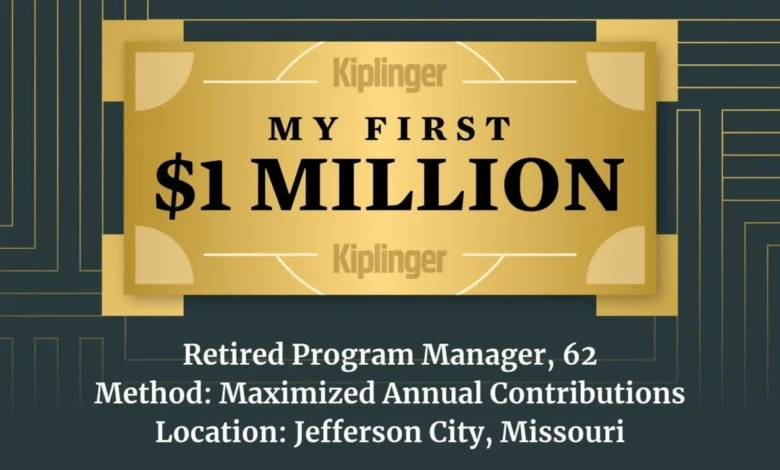
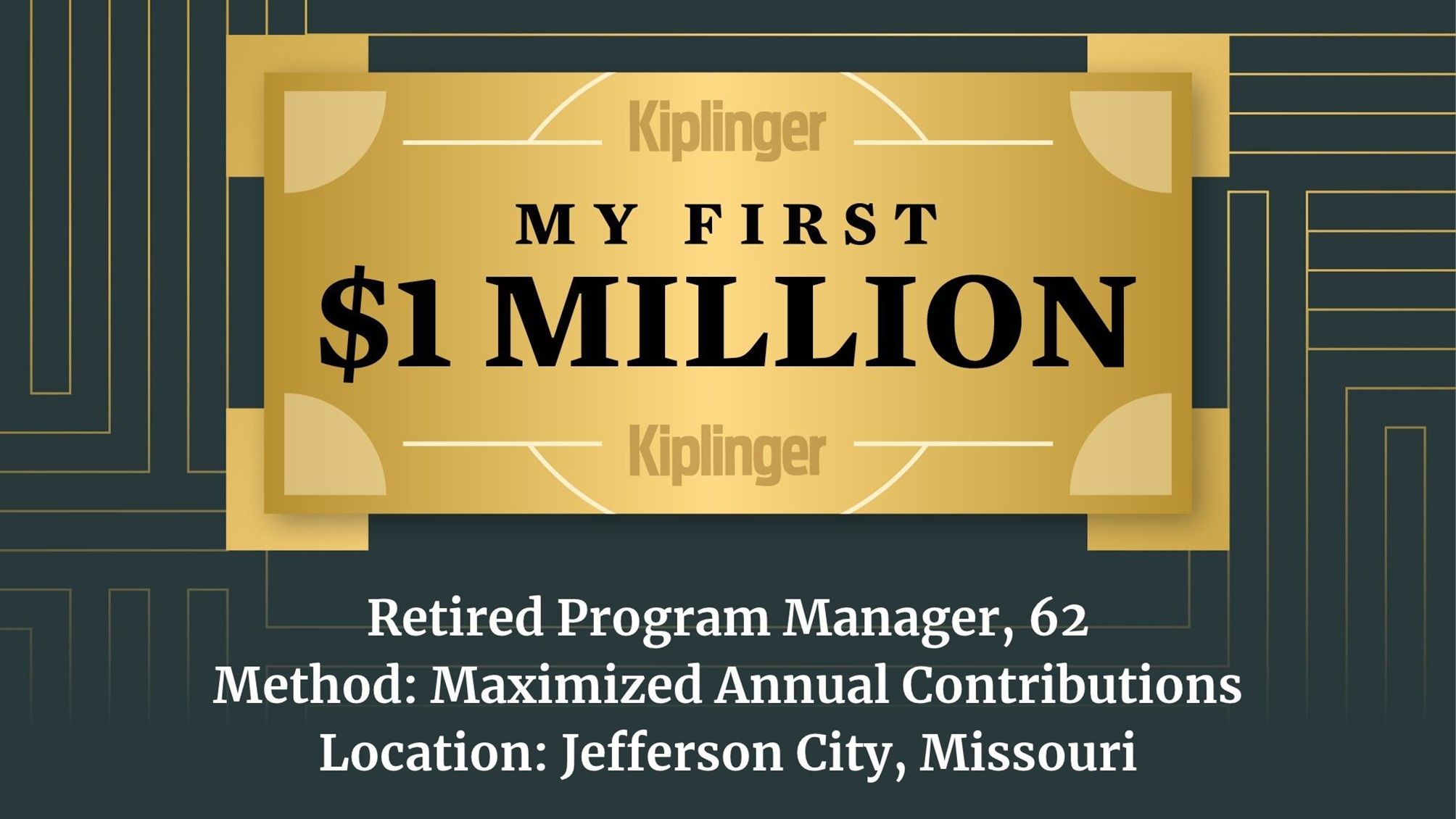
The path to building a seven-figure net worth is often perceived as a journey reserved for high-earning executives, entrepreneurs, or tech industry titans. However, the experience of a 62-year-old retired program manager from Jefferson City, Missouri, challenges these conventional narratives. By prioritizing consistent contributions to tax-advantaged accounts and adhering to a disciplined, long-term investment strategy, this retiree successfully built a portfolio exceeding $2 million while never earning a salary higher than $70,000. His story serves as a case study in the efficacy of compounding interest and the discipline of living below one’s means, providing a roadmap for public sector employees and middle-income earners aiming for financial independence.
The Mechanics of a $2 Million Retirement
The subject of this profile spent his entire professional career in Missouri state government. His financial journey was defined by a commitment to two primary vehicles: traditional Individual Retirement Accounts (IRAs) and a state-sponsored deferred-compensation plan. This deferred-compensation arrangement, a common benefit for government employees, functions similarly to a 401(k) or a traditional IRA, allowing employees to contribute a portion of their pre-tax income toward long-term savings.
Over the course of three decades, he consistently maximized his annual contributions to these accounts. By automating his savings, he effectively removed the temptation to adjust his spending based on short-term market fluctuations or lifestyle inflation. His investment strategy was marked by its simplicity: he allocated his entire portfolio into low-cost equity mutual funds. This "set it and forget it" approach allowed him to capture broad market growth while minimizing the drag caused by high management fees, which are often the silent killers of long-term investment returns.
Data from the Investment Company Institute suggests that index-based equity funds have historically outperformed a significant percentage of actively managed funds over a 20-year horizon. By maintaining an annual return of approximately 9.5%—a figure consistent with long-term S&P 500 averages—the retiree was able to leverage the power of compounding. He surpassed the $1 million mark roughly a decade ago, and his portfolio has since doubled, demonstrating that time in the market is often a more critical factor than the size of one’s initial investment.
A Chronology of Financial Discipline
The timeline of his success underscores that wealth accumulation is a marathon, not a sprint.
- Early Career: Initiating the habit of contributing to retirement accounts during his first years of government employment.
- The Accumulation Phase: Adhering to a strict budget despite salary ranges of $60,000 to $70,000, allowing for maximum contributions to tax-sheltered plans.
- The Million-Dollar Milestone: Achieving a net worth of $1 million approximately 10 years ago, driven by the compounding of his equity mutual fund holdings.
- Continued Growth: Rather than withdrawing or shifting to high-risk speculative investments, he maintained his strategy, allowing his balance to eclipse $2 million by his retirement at age 62.
- Retirement: Transitioning into full retirement, where he now enjoys financial security without having changed his fundamental lifestyle.
The Role of Financial Literacy and External Influences
The retiree attributes his success largely to the early financial education provided by his father, who introduced him to the mechanics of mutual funds and the necessity of long-term investment horizons. Unlike many who feel the need to hire expensive financial advisers or follow high-frequency trading trends, he relied on foundational principles.
Financial planners often emphasize that for middle-income earners, the biggest threat to retirement security is not market risk, but behavioral risk—such as the tendency to panic-sell during downturns or to raid retirement accounts during personal emergencies. The retiree’s decision to avoid professional management not only saved him thousands of dollars in annual advisory fees but also ensured he remained fully invested in the market during the recovery periods following major economic corrections, such as the 2008 financial crisis and the 2020 pandemic-induced recession.
Tax Implications and Strategic Adjustments
One area where the retiree expresses regret is his reliance on traditional, pre-tax accounts. While these provided him with significant tax relief during his peak earning years—allowing him to invest more aggressively—they have created a looming tax liability. As he enters his 60s, he faces the reality of Required Minimum Distributions (RMDs), which mandate that retirees begin withdrawing funds from their tax-deferred accounts, thereby triggering taxable income.

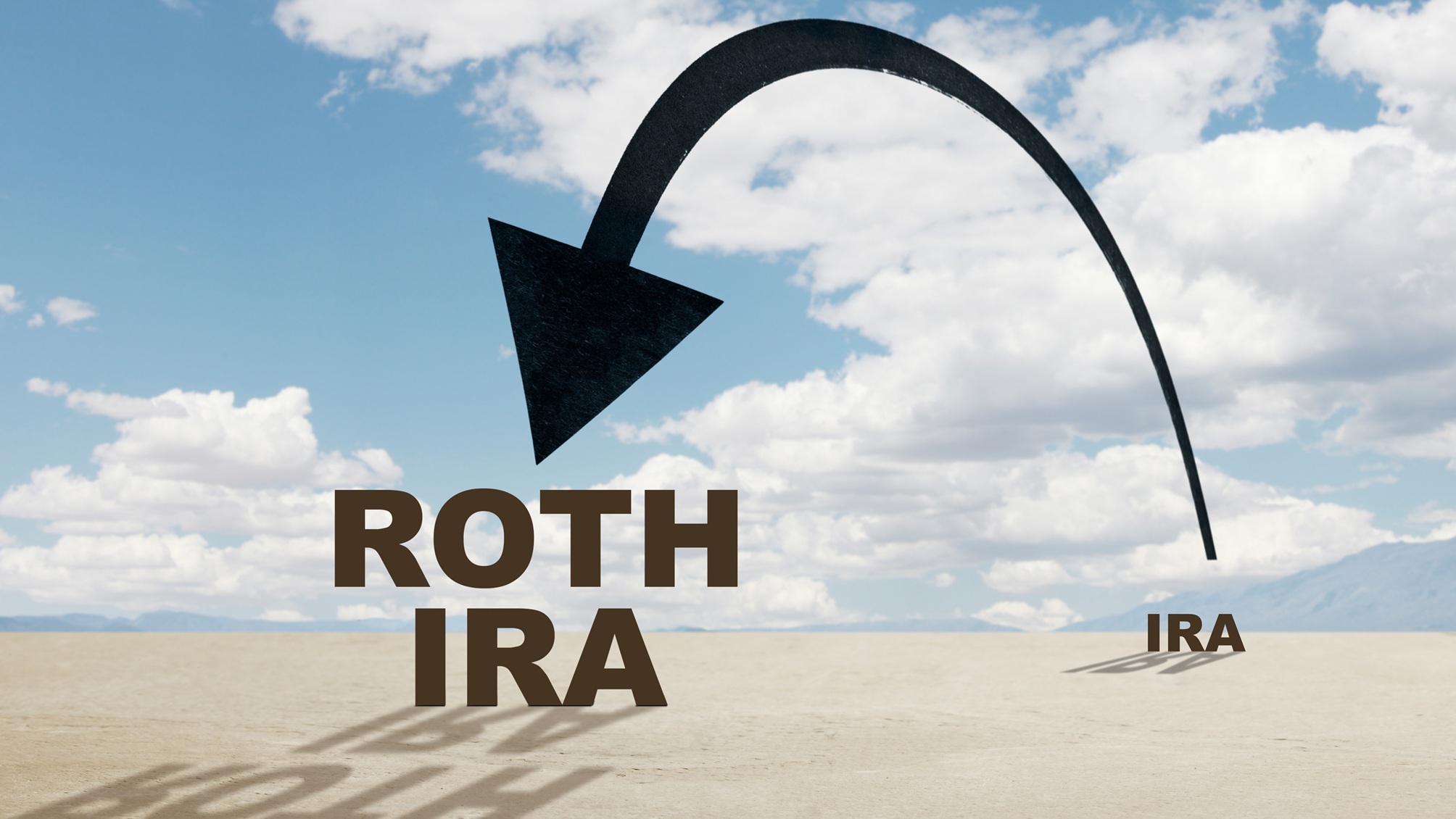
To mitigate this, he has begun executing a series of Roth conversions. By paying taxes on a portion of his traditional assets now, he aims to shift funds into a Roth structure, which will allow for tax-free growth and tax-free withdrawals in the future. This move highlights an important lesson for modern savers: the "tax-deferred vs. tax-free" decision is not a one-time choice but a dynamic part of long-term retirement planning that must be managed as one’s portfolio grows.
Broader Impact and Expert Analysis
From a broader perspective, this case study validates the "FIRE" (Financial Independence, Retire Early) movement’s core tenets: high savings rates, low-cost indexing, and a sustainable lifestyle. While the retiree did not pursue the extreme frugality often associated with the movement, his consistent, modest contributions demonstrate that wealth is accessible to those who prioritize long-term goals over short-term consumption.
Economists and retirement experts often point out that the public sector’s deferred-compensation plans are an underutilized tool. Many employees fail to reach the maximum contribution limits, missing out on the significant tax benefits and the long-term growth potential these plans offer. By maximizing these accounts, the retiree effectively created his own pension supplement, insulating him from the volatility of individual stock picking and the risks of market timing.

Looking Toward the Future
Now fully retired, the subject reports no desire for lifestyle inflation. His primary goal has shifted from wealth accumulation to wealth preservation and charitable giving. In recent years, he has increased his philanthropic contributions, utilizing his financial freedom to support causes he cares about.
When asked about his outlook for his next million, he remains optimistic. Despite being unable to contribute further to traditional IRAs, he intends to keep his assets in low-cost equity index funds. His trajectory suggests that, barring catastrophic market failure, his portfolio will continue to grow, potentially adding another million every few years simply through market appreciation.
His advice to those currently starting their careers is straightforward: the sacrifice of today is the peace of mind of tomorrow. He emphasizes that one does not need to be a high earner to attain the status of a millionaire; rather, one needs the discipline to save, the patience to let compounding work, and the wisdom to avoid the pitfalls of high-fee investments and unnecessary debt.
Ultimately, his story is not about the allure of a million dollars as a status symbol, but about the "security and freedom" that the capital provides. It is the ability to walk away from a job at 62 with the confidence that his future needs are met, regardless of external economic conditions. For those looking to replicate his success, the path is clear: start early, automate the process, keep fees low, and stay the course.