The Evolution, Architecture, and Enduring Appeal of Mediterranean-Style Homes in American Real Estate

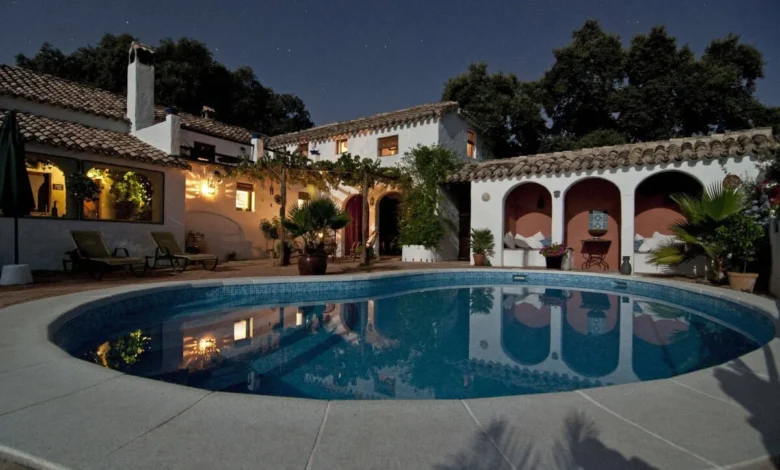
Mediterranean-style homes have long captured the architectural imagination of American homebuyers, bringing the sun-drenched warmth, textured materials, and relaxed elegance of Southern Europe into residential neighborhoods across the United States. Characterized by striking stucco walls, distinctive red clay tile roofs, graceful arches, and intricate wrought-iron details, these properties intentionally blur the boundaries between indoor living spaces and outdoor natural environments. While the aesthetic draws heavily from historic Spanish and Italian villas, the genre encompasses a wide spectrum of design variations—ranging from grand, ornate historical landmarks to streamlined, contemporary interpretations suited for modern suburban landscapes.
Understanding the Blueprint of a Mediterranean Residence
At its core, a Mediterranean house is heavily inspired by the traditional building vernacular of countries bordering the Mediterranean Sea, most notably Spain, Italy, and southern France. Although there is no single, rigid architectural blueprint that defines every property, a cohesive collection of design elements unifies the style.
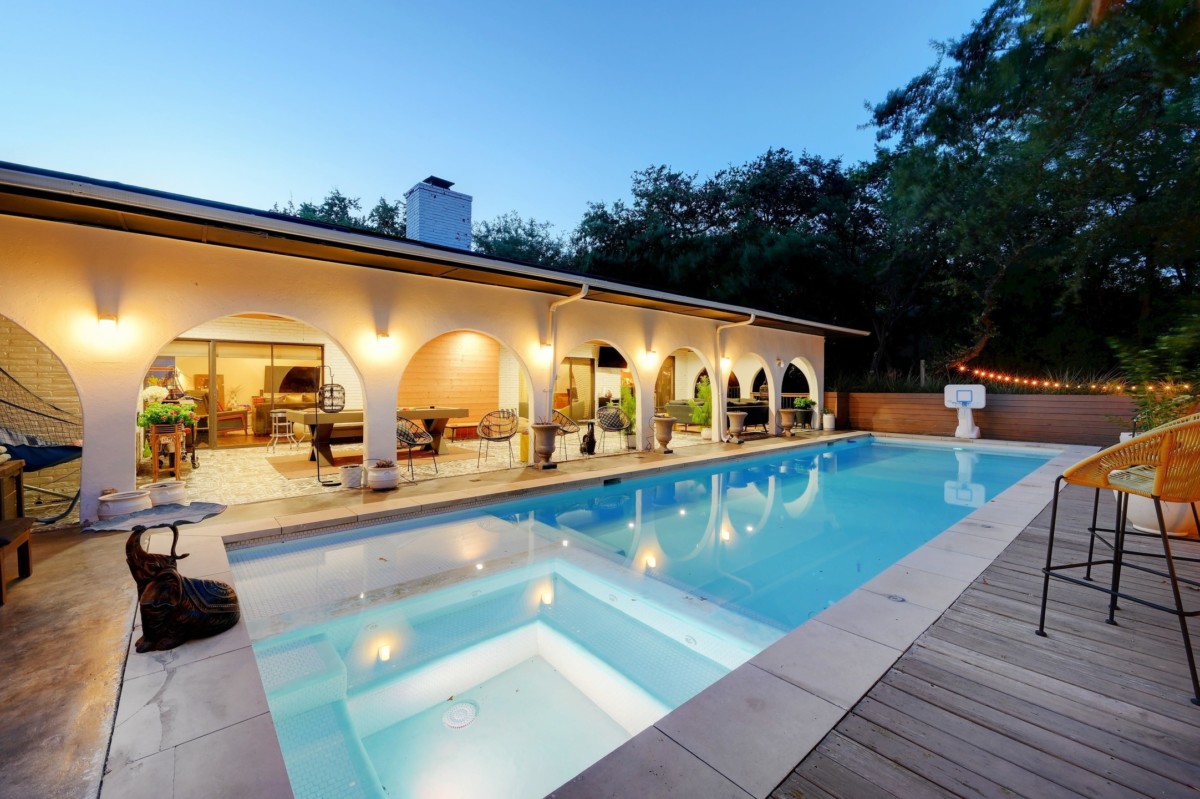
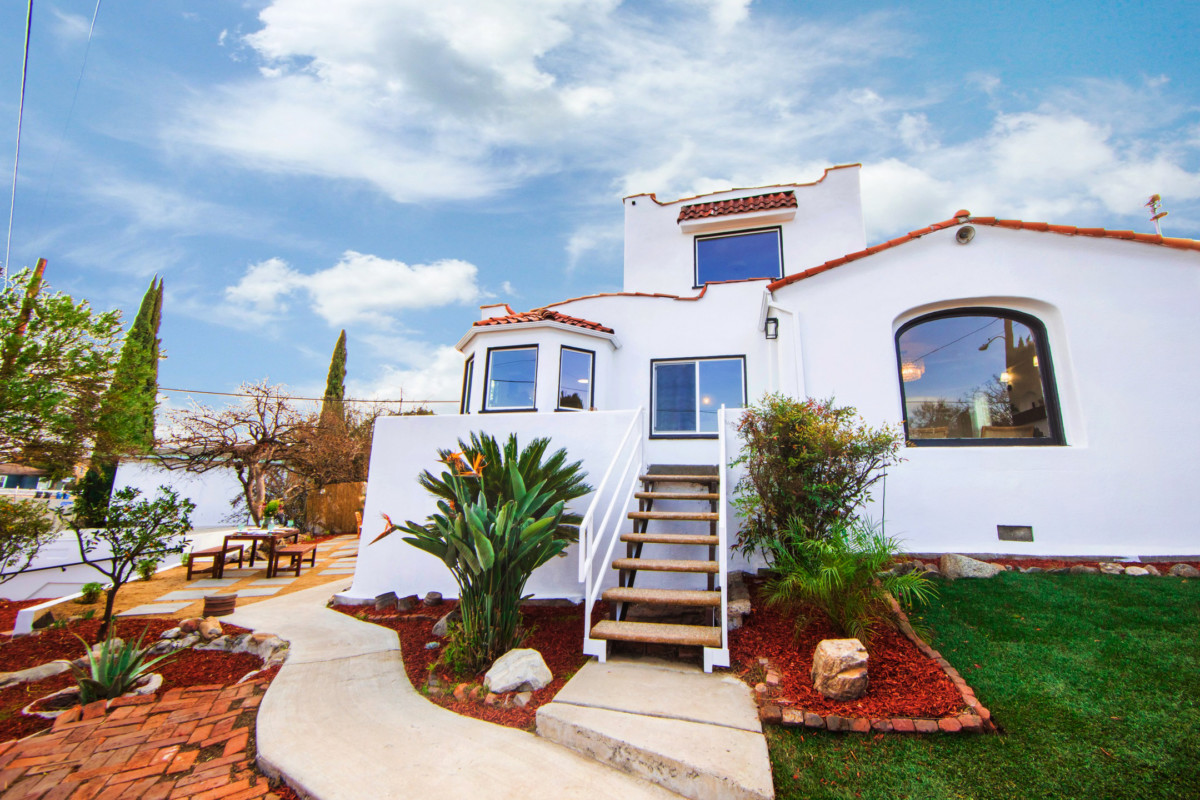
Industry experts note that these structures were originally engineered for warm, sun-heavy climates. Traditional features include thick masonry or stucco walls designed to regulate interior temperatures, low-pitched barrel-tile roofs that shed heavy seasonal rains while deflecting intense solar heat, shaded courtyards, and open loggias. In the United States, particularly in regions like Southern California, Florida, and the Southwest, these elements adapted seamlessly. Modern iterations retain the classic smooth stucco finishes, decorative ceramic tilework, and exposed timber beams, maintaining an architectural focus on natural ventilation, shaded outdoor retreats, and fluid spatial transitions.
A Historical Chronology: From European Shores to American Revivals
The roots of Mediterranean architecture stretch back centuries across the European coastline, but the prevalence of the style throughout North America is largely the result of two major architectural revival movements that flourished in the late 19th and early 20th centuries.
The historical timeline of the style in the U.S. unfolds across several distinct phases:
- The Late 19th Century (1890s): The movement first took root in the American consciousness via California’s Mission Revival movement, which drew direct inspiration from the historic Spanish mission outposts scattered throughout the region.
- The 1915 Panama-California Exposition: Held in San Diego, this pivotal event popularized a more romantic, elaborate interpretation of Spanish, Mexican, and Mediterranean design elements, sparking widespread national interest.
- The 1920s and 1930s Building Boom: Fueled by economic prosperity and real estate expansion, Mediterranean and Spanish Colonial Revival styles dominated residential and commercial construction, particularly in frost-free states like California and Florida. Visionary developers, such as George Merrick in Coral Gables, Florida, actively designed entire municipalities around this aesthetic, visualizing master-planned communities reminiscent of Mediterranean resort towns.
Geographic Distribution and Iconic American Landmarks
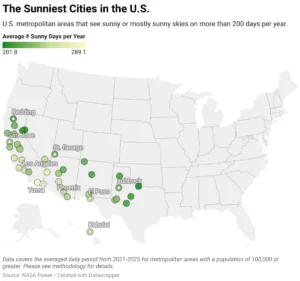
While Mediterranean-style homes can be found in various pockets across the country, they remain heavily concentrated in warmer, sun-belt markets with historical ties to Spanish and Mexican architecture. Prime real estate markets for these properties include Santa Barbara and Pasadena in California, Austin in Texas, and Miami and Coral Gables in Florida.
Among the most famous representations of the style in the United States is Hearst Castle in San Simeon, California. Commissioned by publishing magnate William Randolph Hearst and designed by architect Julia Morgan, the sprawling estate stands as a monumental tribute to Spanish and Mediterranean Revival architecture, drawing hundreds of thousands of visitors annually. Similarly, the city of Coral Gables serves as a living museum of Mediterranean urban planning, where municipal guidelines historically encouraged developers to incorporate loggias, interior courtyards, and native landscaping to combat the subtropical climate.
Anatomy of the Style: Exterior and Interior Characteristics
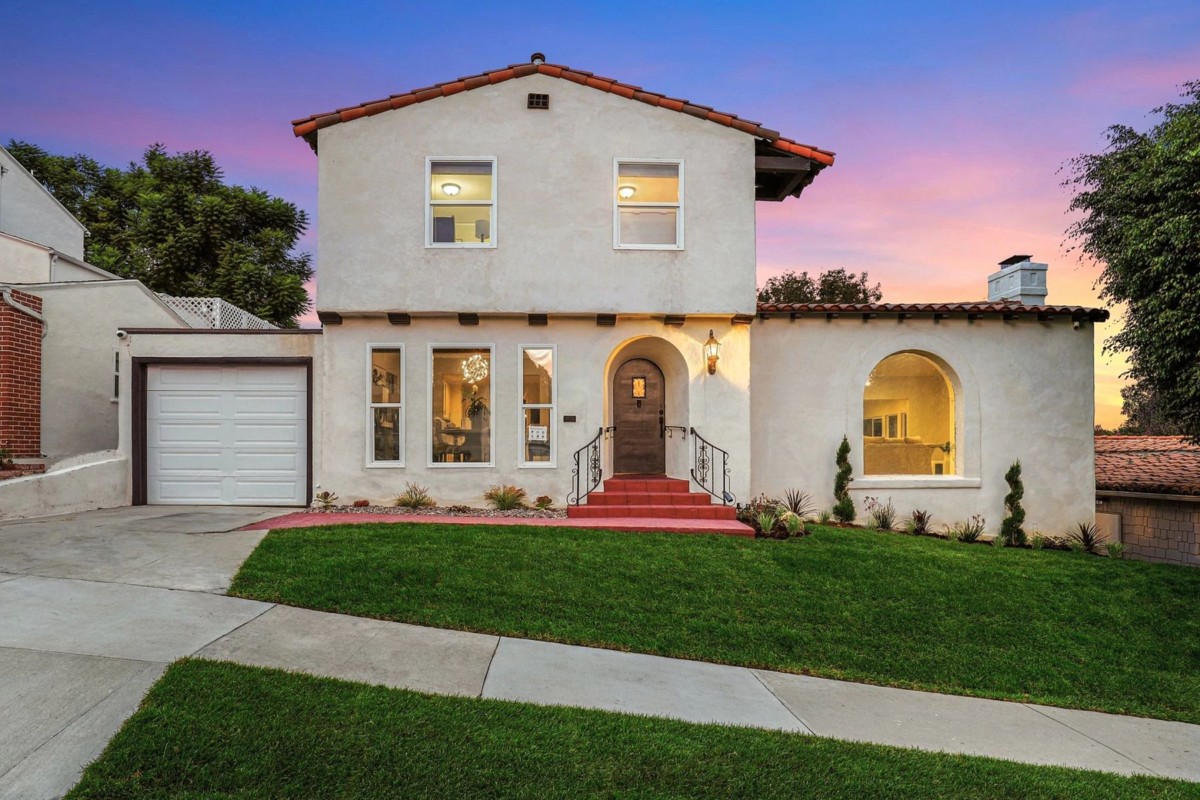
Architectural analysts divide Mediterranean homes into distinct interior and exterior feature sets that contribute to both their aesthetic appeal and structural durability.
Exterior Architectural Elements
The exterior profile of a Mediterranean home is engineered for visual texture and climate resilience:
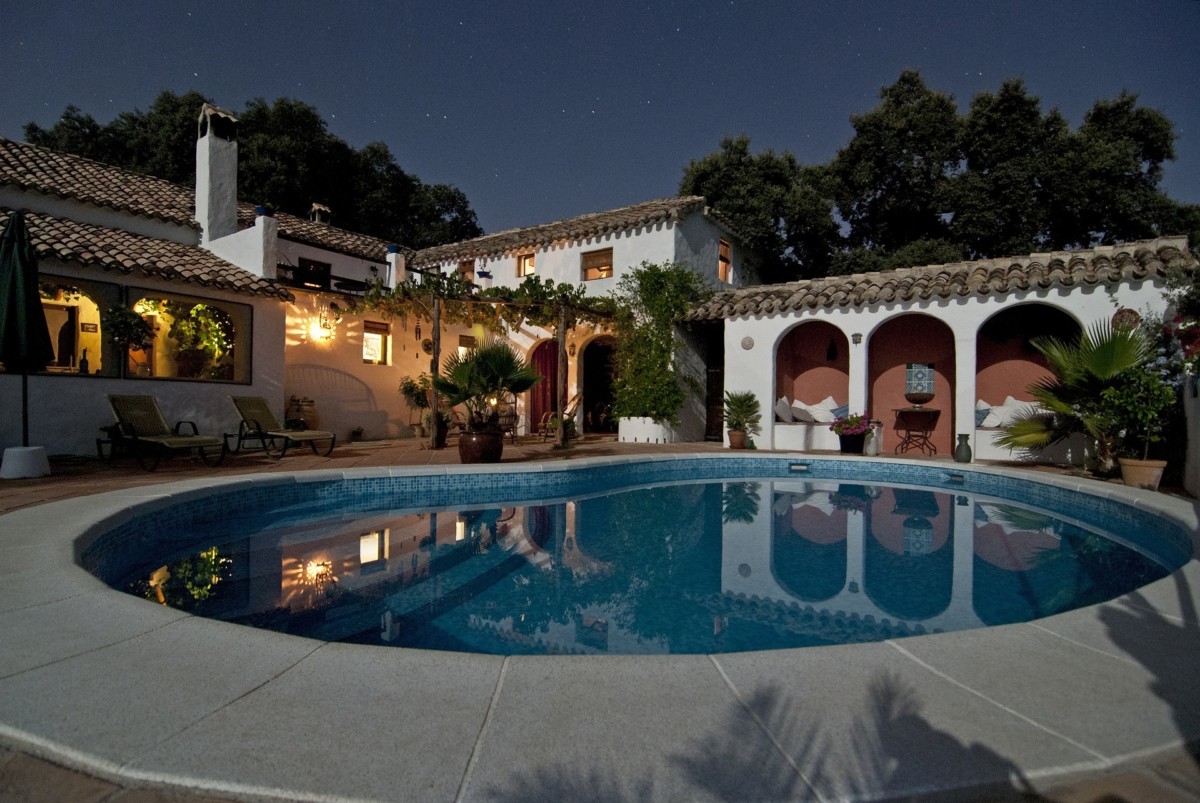
- Stucco Finishes: Smooth or dash-finish stucco walls reflect sunlight and provide a durable, seamless exterior skin.
- Red Clay Tile Roofs: Barrel-shaped terracotta tiles offer exceptional longevity and thermal insulation, protecting interiors from extreme heat.
- Arches and Fenestration: Arched entryways, rounded windows, and French doors create a rhythmic, welcoming facade.
- Wrought-Iron Accents: Handcrafted iron railings, window grilles, and light fixtures add intricate, dark metallic contrast against light-colored stucco walls.
- Outdoor Integration: Enclosed courtyards, private patios, and covered loggias expand the functional living footprint outdoors.
Interior Design Elements
Inside, Mediterranean homes prioritize craftsmanship, tactile materials, and organic palettes:
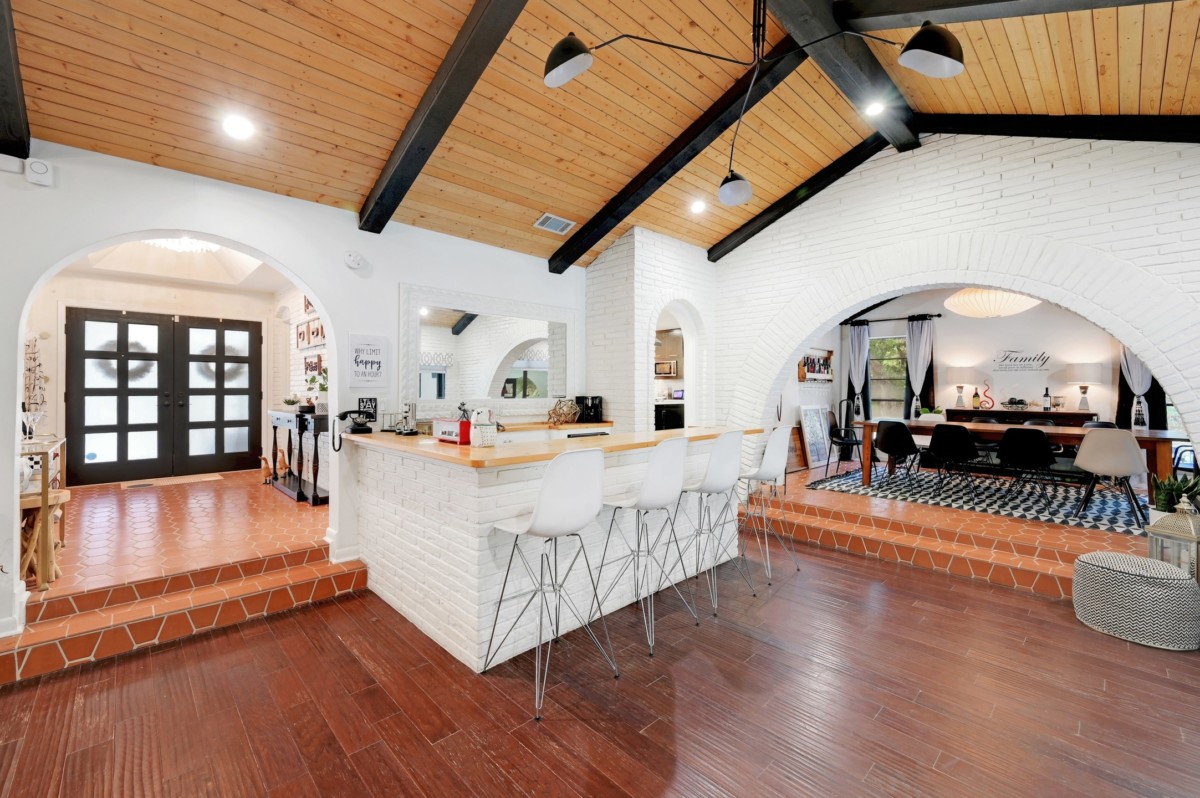
- Spatial Flow: High, often vaulted ceilings with exposed dark-wood beams create an airy, voluminous atmosphere.
- Flooring: Terracotta tiles, natural stone, and distressed hardwood floors provide durability and a grounded, earthy foundation.
- Tilework: Hand-painted ceramic and mosaic tiles (often referred to as azulejos) accent stair risers, fireplace surrounds, and kitchen backsplashes.
- Textured Walls: Plaster or textured wall finishes catch natural light, adding depth that minimalist drywall cannot replicate.
Categorizing the Four Primary Mediterranean Sub-Styles
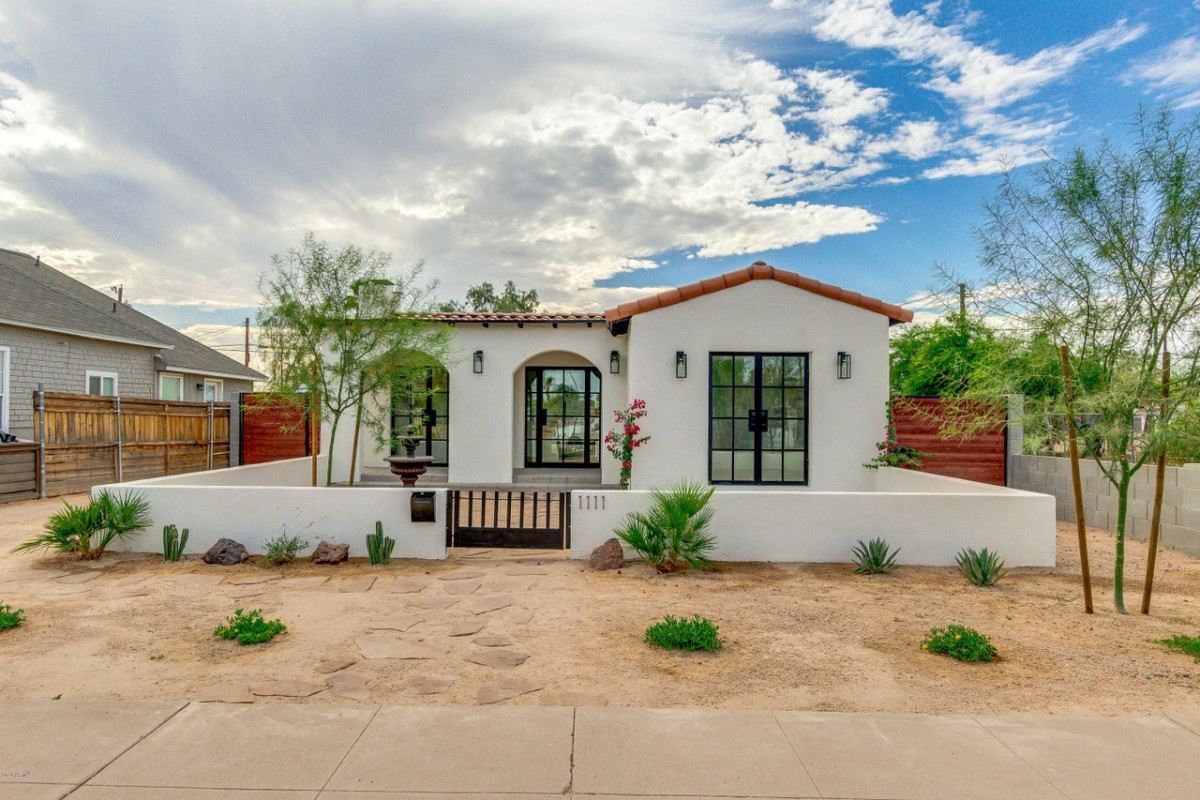
Architectural historians generally categorize American Mediterranean architecture into four distinct movements, each bearing unique stylistic markers:
- Mission Revival (1890–1915): Emerging during the broader Arts and Crafts movement, these homes are characterized by sweeping stucco surfaces, simple rooflines, and multi-pane windows, heavily mirroring historical California mission buildings.
- Italian Renaissance (1890–1930): More formal and symmetrical than its Spanish counterparts, this style draws from classical Italian palazzos. Common features include low-pitched roofs, round-topped arched windows, classical columns, and multi-story massing.
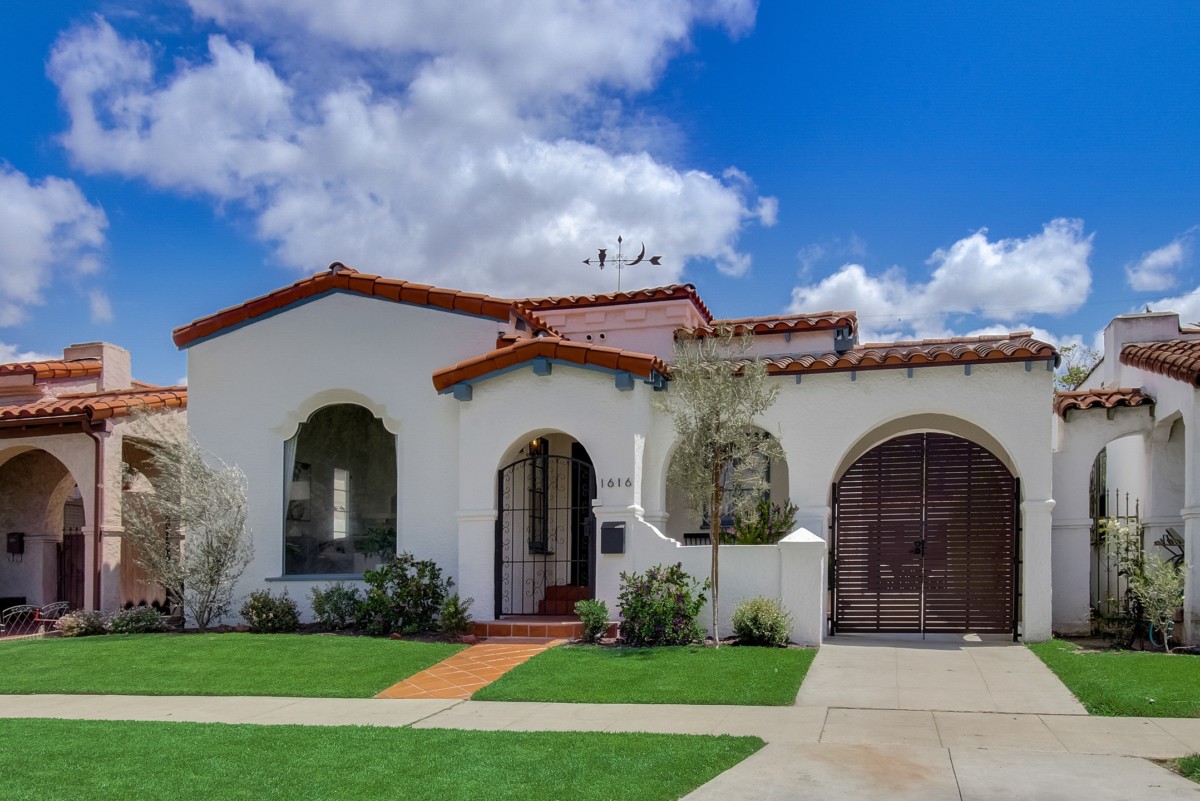
- Spanish Colonial Revival (1915–1930): Reaching peak popularity during the 1920s, these properties feature asymmetrical layouts, low-pitched tile roofs, and clean stucco facades. While simpler versions rely on unadorned walls, high-end examples feature elaborate Churrigueresque or Plateresque ornamentation in their iron and tilework.
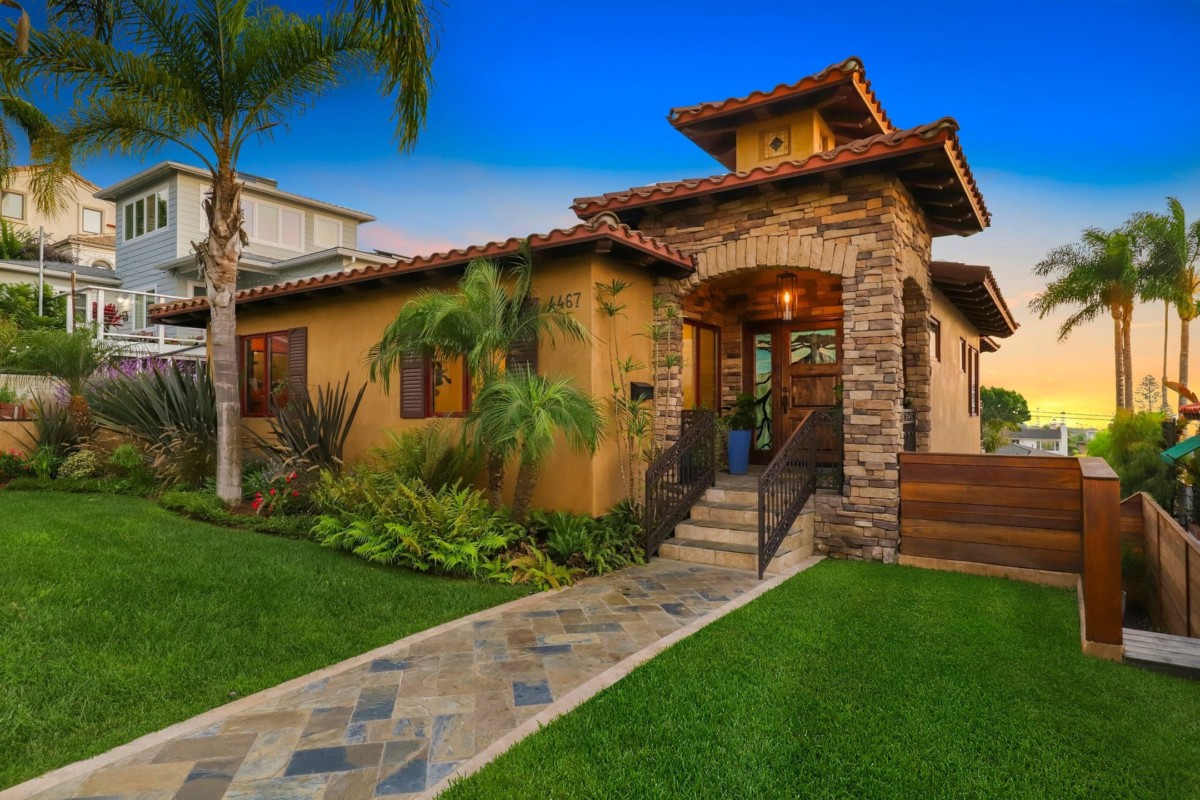
- Modern Mediterranean (Contemporary): Newer construction homes that merge traditional elements—such as terracotta roofs and stucco exteriors—with open-concept floor plans, large glass panels, and clean geometric lines, appealing to buyers seeking historical charm paired with modern amenities.
Market Analysis: Pros and Cons for Contemporary Homebuyers

For prospective real estate buyers, purchasing a Mediterranean home involves balancing distinct structural advantages with practical maintenance considerations.
Advantages
- Climate Efficiency: Thick stucco walls and clay tile roofs naturally insulate interiors against high temperatures, reducing cooling loads in warm climates and lowering energy consumption.
- Durability: High-grade masonry, concrete block construction, and tile roofing systems—particularly those retrofitted to modern hurricane codes in regions like South Florida—offer exceptional resistance to severe weather and structural longevity.
- Aesthetic Appeal: The timeless design elements hold their resale value well, offering high architectural distinctiveness compared to cookie-cutter suburban developments.
Disadvantages
- Spatial Limitations: Historic floor plans often feature smaller windows, lower ceilings in specific rooms, and segmented layouts that contrast with contemporary preferences for wide-open spaces.
- Climatic Mismatch: The architectural style is fundamentally optimized for warm, arid, or subtropical climates; attempting to heat and maintain a traditional Mediterranean home in cold, snowy northern regions can be structurally inefficient and stylistically out of place.
- Specialized Maintenance: Repairing specialized materials, such as custom wrought iron, barrel tile roofs, and textured stucco, often requires skilled labor and higher maintenance budgets.
Broader Market Implications and Valuation Trends

Real estate analysts observe that Mediterranean-style homes continue to command strong interest in upscale submarkets across the Sun Belt. Because many of these properties were constructed during localized real estate booms in the 1920s or feature custom architectural detailing in luxury enclaves, they often function as long-term wealth-preservation assets. In regions prone to extreme weather, updated engineering—such as reinforced concrete tie-beams and impact-resistant windows integrated into historic shells—allows these classic designs to meet rigorous contemporary safety standards without sacrificing their historical aesthetic.
How Prospective Buyers Navigate the Market Today

As architectural preferences evolve, digital real estate platforms have adapted to help buyers isolate specific stylistic features. Home seekers browsing national inventory databases utilize keyword filters for architectural terms such as "Mediterranean," "Spanish Colonial," or "Italianate." Additionally, conversational property search tools allow buyers to input natural language queries—such as searching for properties featuring red tile roofs, courtyards, or arched entryways—streamlining the process of locating historically rich or modern-inspired Mediterranean properties within competitive regional housing markets.