International Space Station Power Capacity Boosted to Maximum Following Successful Deployment of Final Solar Array

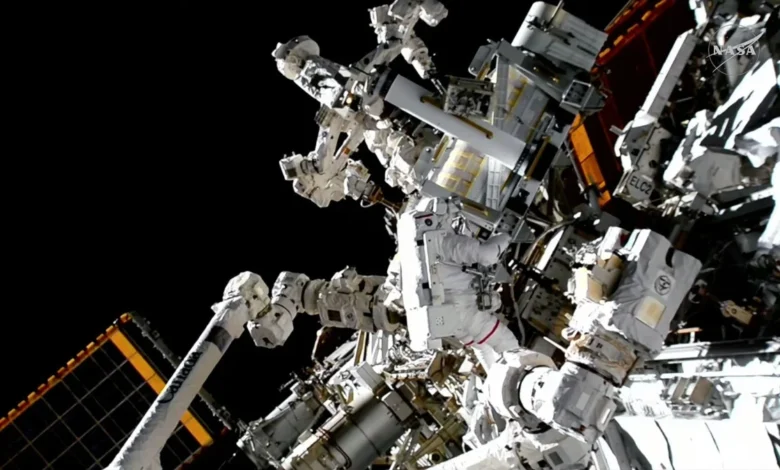
On November 5, 2026, the International Space Station (ISS) achieved a significant milestone in its operational longevity as NASA astronaut Anil Menon and Canadian Space Agency (CSA) astronaut Joshua Kutryk successfully installed and deployed the eighth and final ISS Roll-Out Solar Array (iROSA). This mission, marking the conclusion of a multi-year effort to modernize the orbiting laboratory’s power grid, ensures that the station remains fully energized as it approaches its planned deorbit in late 2030. The spacewalk, lasting nearly seven hours, concluded a complex series of upgrades designed to offset the natural degradation of the station’s legacy solar arrays, which have been subjected to decades of atomic oxygen exposure and micrometeoroid impacts in the harsh environment of low Earth orbit.
A High-Stakes Technical Operation
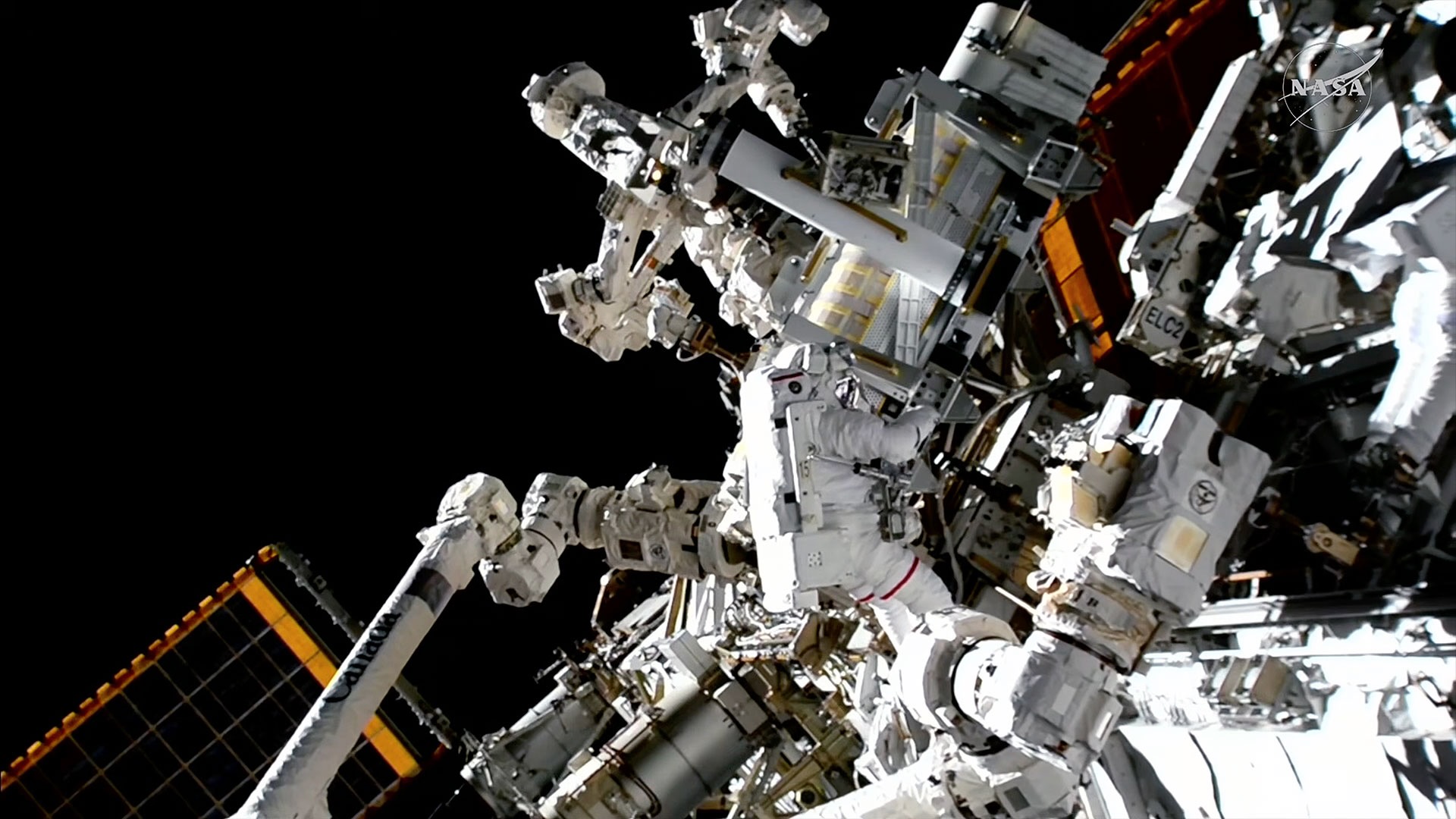
The extravehicular activity (EVA) commenced at 8:36 a.m. EST (1336 GMT) and concluded at 3:35 p.m. EST (2035 GMT), spanning a total duration of 6 hours and 59 minutes. During this period, Menon and Kutryk operated on the starboard side of the station’s massive backbone truss, focusing on the 3B power channel. The task required the retrieval of the 750-pound (340-kilogram) iROSA assembly from a temporary stowage platform, a maneuver facilitated by the Canadarm2 robotic arm, which served as a critical transport and positioning tool for the heavy hardware.
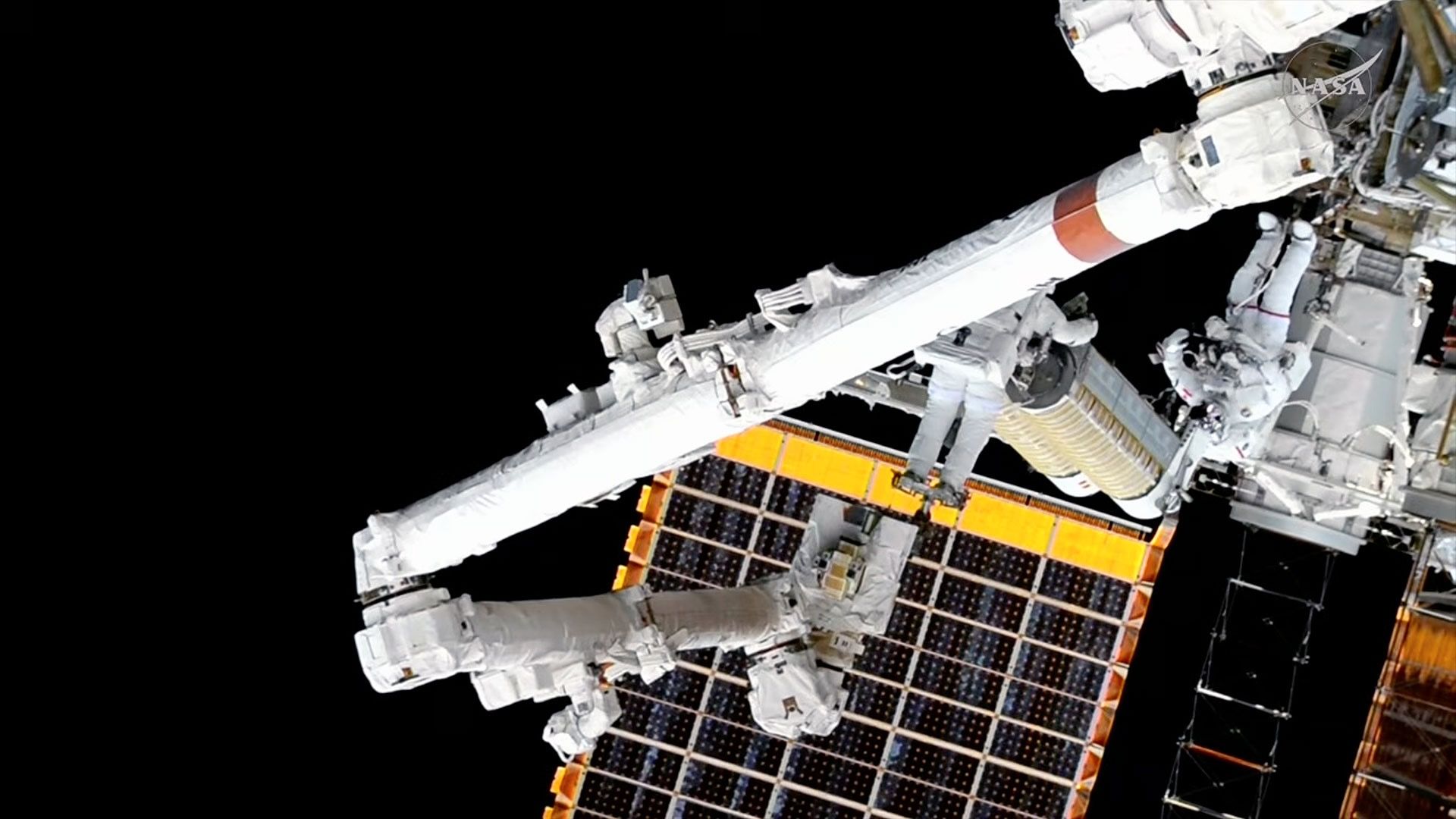
The installation was not without technical challenges. During the initial integration of the array’s cabling into the station’s electrical distribution system, flight controllers at NASA’s Johnson Space Center in Houston observed lower-than-expected shunt currents. Nichole Stilwell, the designated spacewalk officer for this mission, communicated the anomaly to the crew, noting that the system would not be permitted to deploy until the discrepancy was resolved.
The astronauts were instructed to inspect the electrical connectors while the station remained in the Earth’s shadow. This timing was essential for safety; the arrays generate significant electrical current immediately upon exposure to solar radiation, posing a potential shock hazard to the crew if worked upon in direct sunlight. After verifying the connections and performing a series of systematic checks, the mission control team confirmed that the shunt currents had stabilized. With the green light from Houston, the crew proceeded with the final release of the restraining bolts. The array unfurled automatically, relying on the stored potential energy within its carbon composite booms to extend to its full 63-foot (19-meter) length in approximately 10 minutes.
The iROSA Legacy and Engineering Evolution
The deployment of the eighth iROSA represents the culmination of a program that began in June 2021. The iROSA technology was developed to augment the station’s original solar power wings, which were designed for a 15-year service life. As the ISS exceeded its initial design parameters, these original arrays began to show signs of reduced efficiency due to the cumulative effects of the space environment.
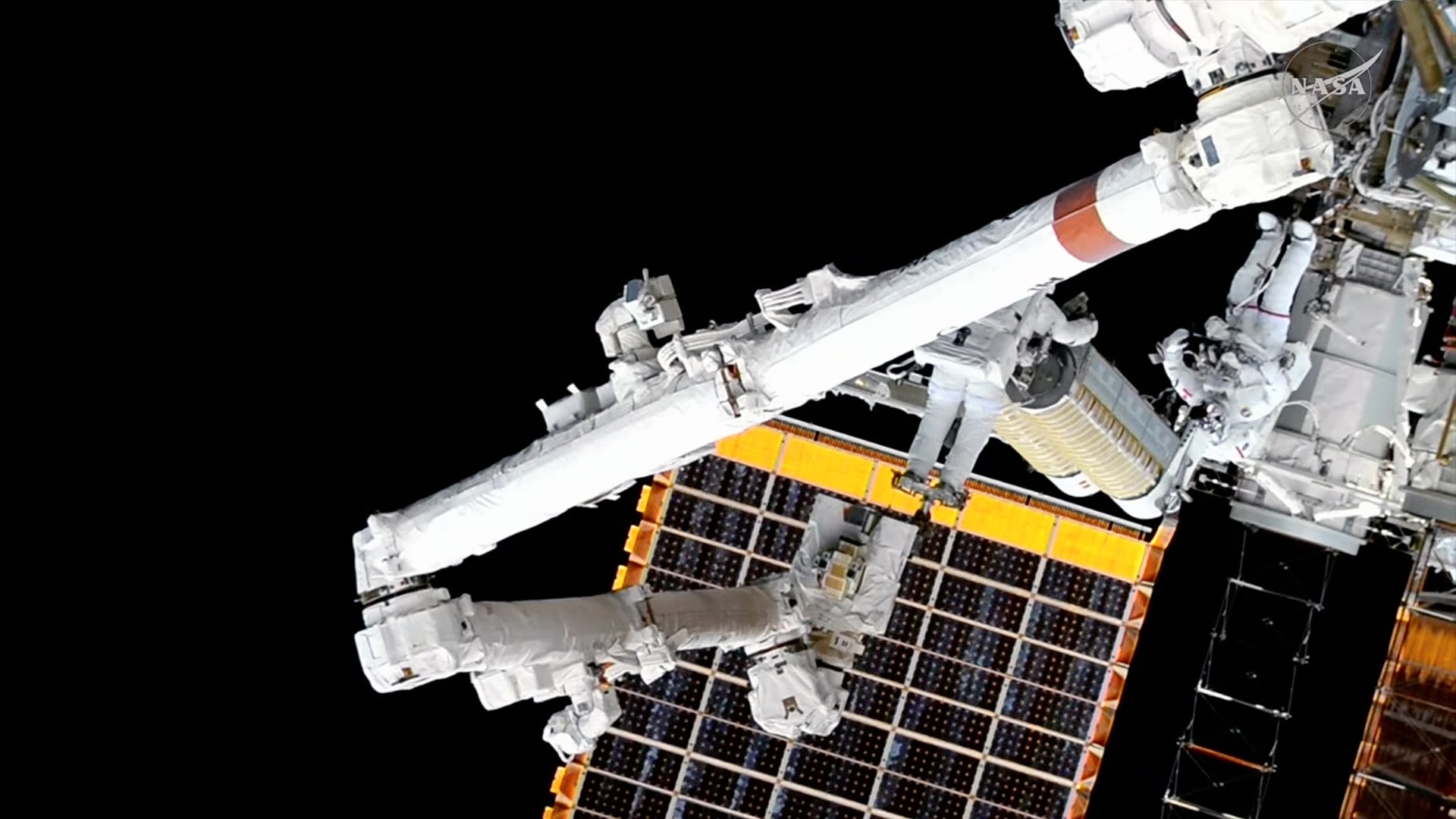
The new roll-out arrays are smaller, lighter, and significantly more efficient than their predecessors. While the legacy arrays are roughly double the size of the iROSAs, the new units provide approximately 40% more power per square foot. By installing eight of these advanced arrays, NASA has effectively boosted the station’s total electrical output by 30%, providing a robust buffer for scientific research and life-support operations for the remainder of the station’s operational life.
Chronology of the Power Upgrade
The multi-year upgrade effort involved multiple international crews and complex logistical planning. The following timeline outlines the major phases of the iROSA installation program:
- June 2021: NASA’s Shane Kimbrough and ESA’s Thomas Pesquet perform the first deployments, establishing power channels 2B and 4B.
- December 2022: NASA astronauts Josh Cassada and Frank Rubio install the arrays for power channels 3A and 4A.
- June 2023: NASA’s Steve Bowen and Woody Hoburg complete the installation for channels 1A and 1B.
- October 2026: Menon and Kutryk perform the penultimate spacewalk, installing the seventh array on the 2A channel.
- November 5, 2026: The final array is successfully deployed on the 3B channel, marking the completion of the power augmentation project.
Implications for the Future of the ISS
The successful installation of the final iROSA has profound implications for the final years of the ISS. The station, which recently surpassed 26 years of continuous human habitation, serves as a testbed for technologies that will eventually support lunar and Martian exploration. With the power grid now modernized, the ISS is capable of supporting more power-intensive experiments in fields ranging from biotechnology to materials science.
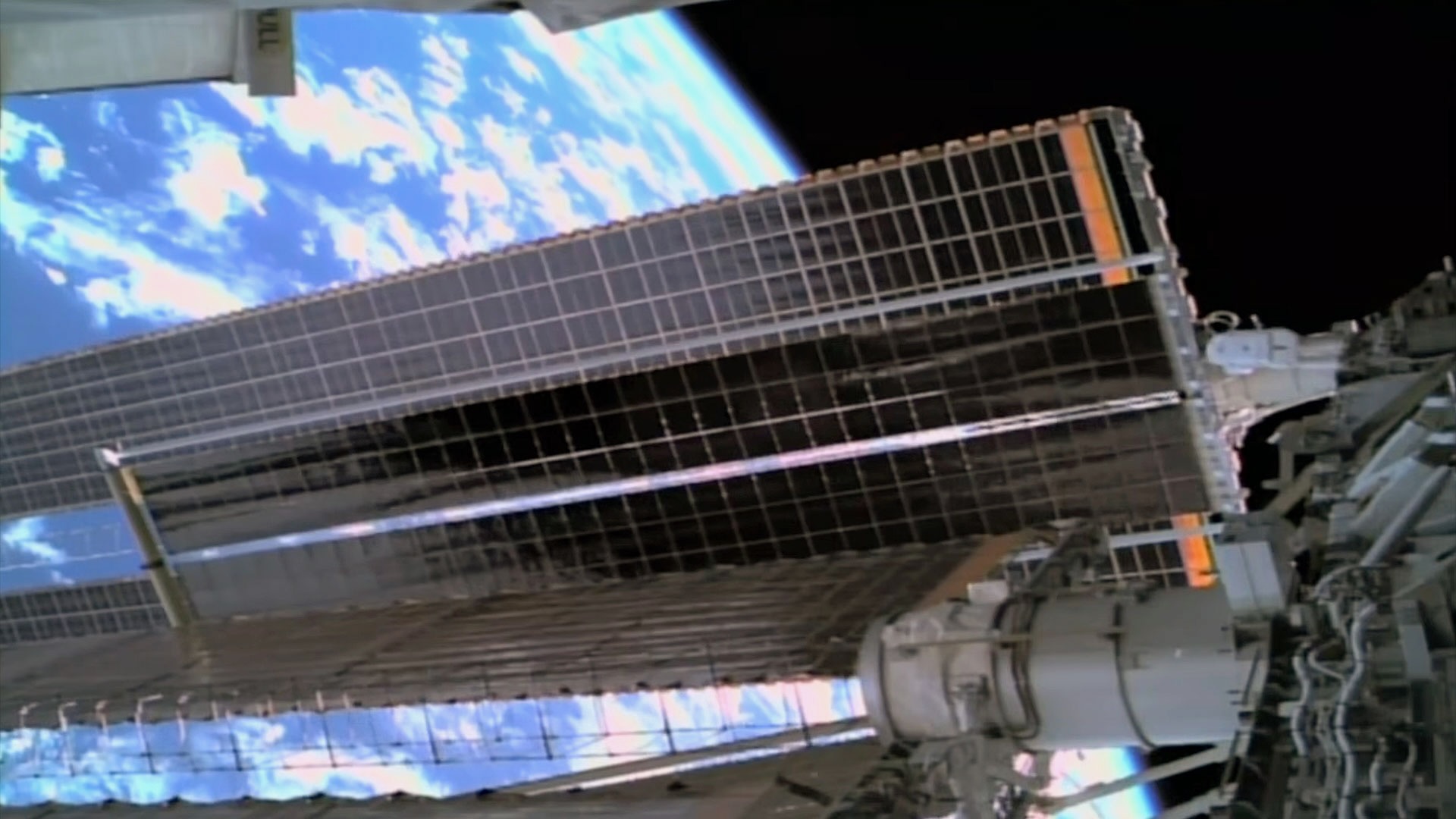
Furthermore, this upgrade provides the necessary power margins for the station’s final years of operation, including the complex transition toward a controlled deorbit. As NASA and its international partners finalize the logistics for the ISS’s eventual retirement in 2030, the ability to maintain full power is paramount. The reliability of the energy supply ensures that the station can continue to perform its primary mission of scientific discovery without the threat of power-related interruptions.
Official Reactions and Commendations
In the aftermath of the successful deployment, Mission Control offered high praise for the efforts of Menon and Kutryk. "Congratulations to you all on your stellar work to finish the last of the roll-out solar arrays and the upgrades to the ISS power system that will take it to the end of its journey," said Stilwell. "You all showed us what the best of humanity looks like, executing one of the most difficult and dangerous things humans do and making it look easy."
For the astronauts involved, the mission was a testament to the collaborative nature of space exploration. Menon, reflecting on the milestone, noted that the arrays are a triumph of engineering, representing over 15 years of development. The event also highlighted the ongoing cooperation between NASA, the Canadian Space Agency, and other international partners who have contributed to the assembly and maintenance of the station over the last two and a half decades.
A New Standard for Extravehicular Activity
This mission also serves as a significant data point in the history of space exploration. With this EVA, the total number of U.S. spacewalks conducted at the ISS without the presence of the space shuttle reached 101. The total count for all ISS-related assembly and maintenance spacewalks now stands at 286.
The performance of Menon—who now has 33 hours and 30 minutes of EVA experience—and Kutryk, with 14 hours and 10 minutes, underscores the rigorous training and preparation required for such operations. As the era of the International Space Station moves into its final chapter, these spacewalkers have ensured that the facility remains a beacon of human ingenuity, powered by the most advanced solar technology currently available for orbital deployment. The completion of the iROSA project is not merely an engineering feat; it is a critical bridge that allows the international space community to finalize its research goals while preparing for the next phase of human spaceflight beyond low Earth orbit.