The Rise of Hyper-Curated Rural Tourism: Inside the Cotswolds Cottage Reshaping the Weekend Getaway Market

The modern travel landscape has undergone a profound shift, driven largely by weary urbanites seeking frictionless escapism rather than elaborate itineraries. For millions of residents trapped in the relentless hum of metropolitan centers like London, the traditional weekend trip has transformed from an active exploration of new territories into a tactical exercise in absolute seclusion. Industry analyses show a surging demand for domestic, short-haul rural retreats that offer total anonymity, restorative sleep environments, and high-end hospitality wrapped in historic architecture. Within this booming sector, a new standard of hyper-curated accommodations has emerged, bridging the gap between the rustic charm of heritage properties and the meticulous conveniences of five-star boutique hotels.
At the center of this trend is a pair of 16th-century, Grade II-listed thatched-roof properties known as Strawtop Cottages, located in the quintessential Oxfordshire village of Adderbury within the broader Cotswolds region. Owned and meticulously restored by digital content creators and entrepreneurs Josie and Charlie Irons, these historic structures have become a case study in how social media curation, heritage preservation, and personalized hospitality intersect to capture the modern luxury short-term rental market.
The Anatomy of a Modern Urban Exodus
The psychological profile of the contemporary domestic traveler is defined by fatigue and a desire for cognitive offloading. According to recent hospitality and tourism trend reports, urban professionals are increasingly prioritizing accommodations that minimize decision fatigue. The criteria for a successful weekend escape now frequently demand a seamless, sub-three-hour travel radius from major urban hubs, absolute acoustic and visual privacy from neighbors, and frictionless logistics regarding dining and local navigation.

Adderbury, situated in the Cherwell district of Oxfordshire and historically marking the northern gateway to the Cotswolds, offers an ideal geographical compromise. It provides the deep rural aesthetic associated with England’s premier designated Area of Outstanding Natural Beauty (AONB) without the heavy tourist congestion found in more commercialized pockets of the region, such as Bourton-on-the-Water or Stow-on-the-Wold.
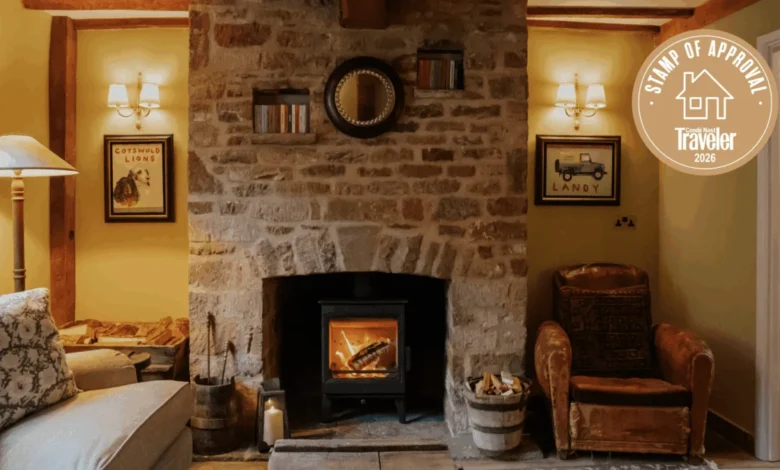
When visitors check into properties like Strawtop Two—one half of the Irons family’s dual-cottage portfolio—the experience is engineered from the moment of arrival. Rather than the clinical key-drop box typical of modern holiday rentals, guests are greeted by pre-lit lamps casting a warm radiance across exposed timber beams, and wood-burning hearths primed with kindling. This deliberate staging addresses a core consumer desire: immediate psychological transition from the stress of urban labor to the comfort of a domestic sanctuary.
Historic Preservation Meets Contemporary Luxury
The structural integrity of Strawtop Cottages represents a significant undertaking in architectural conservation. As Grade II-listed buildings, any modifications are subject to stringent UK planning regulations designed to protect England’s architectural heritage. The centuries-old timber frames, low-slung ceilings, and traditional thatch roofs require specialized maintenance and a delicate balance between historical authenticity and modern guest expectations.
The interior restoration executed by the Irons family reflects a broader movement within high-end British interior design, heavily influenced by aesthetic movements championed by brands like Daylesford and Soho Home. Rather than stripping the properties down to modern minimalism, the renovation honors the temporal layers of the buildings while introducing high-performance amenities.

Guests navigating the layout encounter a deliberate juxtaposition of eras: a traditional Aga stove and vintage copper cookware paired with state-of-the-art kitchen appliances; egg-yolk yellow cabinetry stocked with organic provisions; and a boot room outfitted with Barbour jackets, Hunter wellingtons, and umbrellas tailored for unpredictable British weather. Upstairs, sleeping quarters tucked into the eaves feature custom blackout treatments, soundproofing measures, and luxury aromatherapy products such as Bamford pillow mists.
This meticulous attention to sensory details—darkness, silence, tactile comfort—addresses a quantified consumer demand for sleep tourism. Travel data from the past three years highlights sleep optimization as a primary driver for wellness-focused travel bookings, with guests actively seeking environments engineered to combat chronic urban sleep deprivation.
The Rise of the Digital Concierge and Hyper-Local Economies
One of the most notable evolutions in the boutique rental market is the integration of personalized, informal concierge services managed directly by property owners. In the case of Strawtop Cottages, Charlie Irons operates as a de facto concierge, providing curated digital itineraries and pre-booking dining reservations for guests prior to their arrival.
This model serves a dual purpose. For the traveler, it eliminates the labor of travel planning, satisfying the desire for an effortless itinerary. For the local rural economy, it fosters a symbiotic relationship between micro-accommodation providers and regional hospitality businesses.

During typical weekend stays in Adderbury and its surrounding parishes, guests are directed to establishments such as The Yurt at Nicholsons, a unique garden-center dining concept near Bicester; The Norman Knight, a traditional Cotswolds gastropub serving seasonal British fare; and The Duke of Cumberland’s Head, known for its regional Sunday roasts. By funneling high-spending domestic tourists into independent local businesses, properties like Strawtop Cottages contribute to the economic resilience of rural communities that might otherwise struggle against larger commercial chains.
Industry analysts note that this localized concierge model represents a structural shift away from anonymous property management corporations. Modern travelers increasingly seek authentic, human-led endorsements, bridging the gap between the independence of a self-catered Airbnb and the high-touch service of a traditional boutique hotel.
Broader Economic and Market Implications
The success and cultural footprint of properties like Strawtop Cottages underscore a wider evolution in real estate and tourism investment across the United Kingdom. Historic rural properties are increasingly viewed not merely as private second homes, but as micro-hospitality assets capable of yielding high returns when paired with powerful digital branding and sophisticated interior design.
However, this trend is not without broader socio-economic implications. The conversion of historic village housing stock into high-end holiday rentals has fueled ongoing debates regarding rural housing affordability and the preservation of authentic village communities across the Cotswolds. Local authorities in Oxfordshire and Gloucestershire frequently grapple with balancing the economic benefits of tourism against the pressures placed on local housing markets and infrastructure by the influx of short-term visitors.

Despite these regulatory and social complexities, consumer appetite for hyper-curated rural hideaways remains robust. As urban populations continue to grapple with high-density living, professional burnout, and digital fatigue, the market for sanctuaries that promise absolute quiet, historical grounding, and frictionless luxury is projected to expand. For property owners and developers, the formula has been clearly established: respect the heritage of the past, engineer the comforts of the present, and eliminate every friction point between the front door and a twelve-hour night of uninterrupted sleep.
Related posts: