Bridging the Travel Attribution Gap: Why Legacy Metrics Fail to Capture the True Value of Social Media Video

The modern travel booking journey rarely happens in a straight line. A user might scroll past a dynamic, sun-drenched reel of a boutique resort on Instagram during a Tuesday morning commute, file the inspiration away in their mental backlog, and only complete a reservation months later after navigating through search engines, review sites, and direct brand channels. This sprawling, non-linear pathway has long presented a formidable challenge for hospitality and tourism marketers trying to measure the return on investment for their social media campaigns. Traditional, click-based attribution models are increasingly proving obsolete, failing to account for the complex ways that video content influences consumer behavior over extended periods.
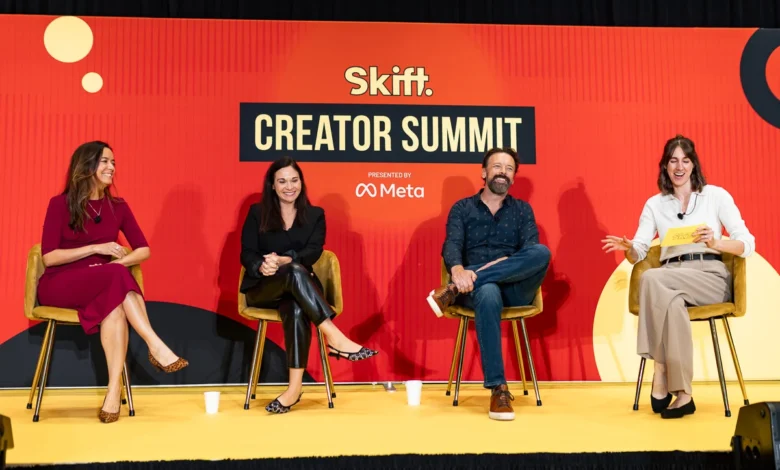
This disconnect took center stage on September 22, 2026, at the Skift Creator Summit in New York City, where industry leaders gathered to dissect the evolving relationship between digital creators, social platforms, and major travel brands. During a panel discussion featuring executives from Meta Platforms, Hyatt, and Matador, experts addressed the friction points that arise when legacy metrics collide with modern, video-first consumer habits. As platforms like Instagram and Facebook continue to pivot heavily toward video consumption—which now accounts for an overwhelming majority of user engagement—brands are forced to rethink how they evaluate marketing success, move beyond immediate clicks, and build attribution frameworks that reflect reality.
The Evolution of the Consumer Journey in Travel
To understand why legacy attribution models are failing, one must examine how travel planning has transformed over the past decade. Historically, travel marketing relied heavily on intent-based search engine optimization and display advertising designed to capture consumers who were already at the bottom of the marketing funnel—meaning they had decided to take a trip and were actively comparing prices and locations.
Social media, by contrast, operates at the very top of the funnel. It plants the initial seed of desire. A compelling video showcased on a smartphone screen introduces a destination, property, or experience that a consumer may have never previously considered. However, the path from inspiration to transaction is rarely instantaneous. Industry data indicates that the consideration window for leisure travel can span anywhere from a few weeks to several months.
During this prolonged consideration phase, consumers are exposed to a myriad of touchpoints. They see influencer partnerships, user-generated content, retargeting ads, and traditional promotional material. Because legacy attribution models—such as last-click attribution—give all or most of the conversion credit to the final touchpoint before a booking, platforms that initiate the journey often receive zero credit for their role in the consumer’s decision-making process. This fundamental flaw has historically led some brands to misallocate marketing budgets away from top-of-funnel social media efforts, underestimating the profound impact of visual storytelling.
Insights from the Skift Creator Summit
The complexities of measuring social impact were a primary focal point at the Skift Creator Summit in New York City. The high-profile event brought together global tourism authorities, hospitality executives, and digital media pioneers to discuss how the creator economy is fundamentally reshaping the travel sector.
Among the key speakers was Diana Lucas, director of marketing science for North America at Meta Platforms. During her panel session, Lucas addressed the limitations of traditional measurement tools, emphasizing that relying solely on click-based attribution creates a distorted view of campaign effectiveness. When brands evaluate their digital performance exclusively through the narrow lens of immediate clicks, they miss the vast majority of consumer impact—particularly in an ecosystem where video reigns supreme.
Supporting this observation, Lucas highlighted a staggering statistic regarding platform consumption: approximately 60% of all content consumed across Instagram and Facebook is now video. Whether through short-form Reels, immersive stories, or long-form creator spotlights, video has become the primary language of digital discovery. Yet, video is notoriously difficult to measure using traditional metrics. Viewers rarely click an ad immediately while watching an engaging travel video; instead, they absorb the visual information, pause to admire the scenery, and potentially revisit the brand later through an organic search or a direct web address.

Also contributing to the dialogue at the summit were Laurie Blair, senior vice president of global marketing and loyalty at Hyatt, and Ross Borden, founder and CEO of Matador. Together, the panel explored the symbiotic relationship between institutional hospitality brands and independent digital creators, underscoring the necessity for a collaborative approach to content creation and performance measurement.
The Shift Toward Advanced Attribution Models
In response to the limitations of last-click attribution, tech giants and enterprise brands are racing to develop more sophisticated measurement solutions. Meta and other digital platforms have increasingly advocated for marketing-mix modeling (MMM) and data-driven attribution (DDA) tools that utilize machine learning to assign fractional credit to every touchpoint along a consumer’s journey.
For hospitality giants like Hyatt, understanding these nuances is critical for optimizing multi-million-dollar marketing budgets. Laurie Blair’s perspective at the summit emphasized that modern loyalty and marketing strategies must account for the emotional resonance of travel content. When a consumer watches a creator’s immersive video review of a property, the value lies not just in a potential direct transaction, but in brand equity, consideration lift, and long-term customer lifetime value.
Data-driven attribution models attempt to capture these qualitative elements by analyzing historical conversion patterns and identifying correlations between ad exposure—even without a direct click—and subsequent bookings. By looking at incremental lift—comparing the behavior of users exposed to a campaign versus a control group that was not—brands can measure the true causal impact of their social media spend.
Broader Implications for the Travel and Creator Economy
The friction surrounding attribution highlights a broader maturity phase within the creator economy. No longer viewed merely as an experimental marketing tactic, creator-led content is now a foundational pillar of global tourism strategies. Destination marketing organizations (DMOs), hotel chains, airlines, and cruise lines are dedicating significant portions of their annual budgets to influencer partnerships and social-first video production.
However, as investments scale, corporate boards and financial stakeholders demand greater accountability. Marketing departments must move past vanity metrics such as likes, comments, and follower counts, which have historically failed to correlate reliably with bottom-line revenue. The push toward robust, multi-touch attribution is a necessary evolution to bridge the gap between creative inspiration and financial validation.
Furthermore, this shift has implications for content creators themselves. As brands adopt more advanced measurement science, creators who can demonstrate an ability to drive genuine consumer consideration and long-term brand affinity—rather than just fleeting engagement—will command higher value. Platforms are also responding by rolling out enhanced native tools, such as affiliate booking integrations, closed-loop reporting, and partnership ads that allow brands to amplify creator content while tracking conversions more accurately.
Looking Ahead: The Future of Travel Marketing Measurement
As the digital landscape continues to evolve at a rapid pace, the challenge of connecting inspiration to conversion will require ongoing innovation from both tech platforms and travel brands. Artificial intelligence and advanced data science will play increasingly vital roles in untangling the complex web of consumer touchpoints.
The discussions at the Skift Creator Summit underscore a pivotal realization: the travel booking journey cannot be forced into rigid, outdated measurement boxes. Brands that cling to click-based attribution risk underinvesting in the very channels that drive discovery and desire. By embracing holistic measurement frameworks that recognize the invisible, long-term influence of social video, travel companies can better navigate the modern consumer journey, optimize their marketing spend, and ensure that every piece of inspirational content is properly valued for its contribution to business growth.
Related posts: