The Evolution of Global Connectivity: How New Subscription-Based eSIM Services are Disrupting the International Roaming Market

The landscape of international telecommunications is undergoing a significant transformation as the traditional reliance on physical SIM cards and restrictive carrier roaming packages gives way to integrated, software-based digital solutions. As global mobility reaches record levels, the introduction of subscription-based eSIM (embedded SIM) plans—such as the newly launched Holafly Plans—marks a shift toward a unified, borderless approach to mobile data management for frequent international travelers and digital nomads.
The Technological Shift from Physical to Digital SIMs
The telecommunications industry has historically been tethered to physical infrastructure. For decades, international travelers were required to either pay exorbitant daily roaming fees to their home carriers or endure the logistical burden of locating, purchasing, and installing local physical SIM cards upon arrival in each new country.
The emergence of eSIM technology has disrupted this model. An eSIM is a digital SIM card embedded directly into the hardware of modern smartphones, allowing users to activate cellular plans via software or QR codes rather than physical intervention. This technology enables a single device to host multiple profiles, facilitating instantaneous switching between domestic and international networks. While early iterations of eSIMs focused on single-trip, country-specific data packages, the market has recently matured to offer long-term, multi-destination subscription models designed for the modern mobile workforce.
The Mechanics of Subscription-Based Global Connectivity
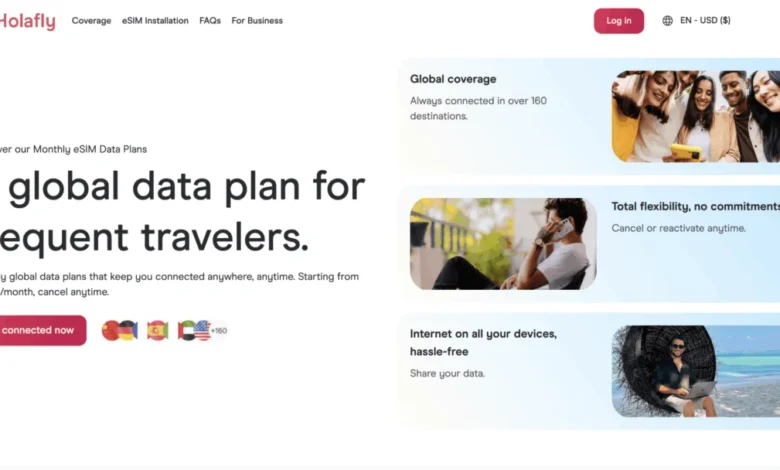
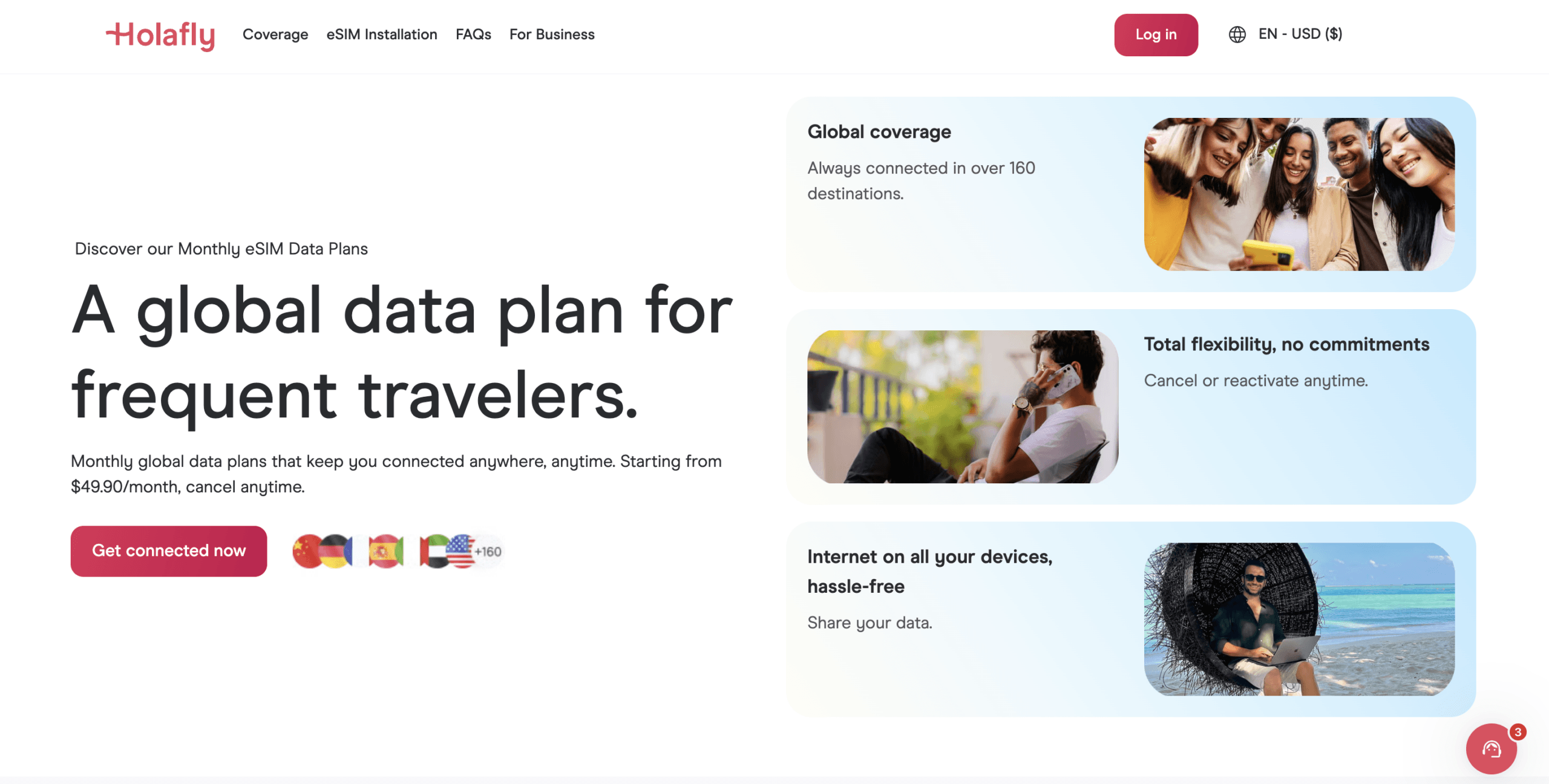
The recent launch of Holafly Plans represents the next logical progression in this space. Unlike traditional "pay-as-you-go" eSIMs, which are typically capped by time and location, this service functions as an ongoing, cross-border subscription covering more than 160 destinations.

The primary technological advantage is the elimination of the "handshake" process required when crossing borders. Under the new subscription model, the device automatically negotiates with local network partners as the user moves between jurisdictions. This removes the need for users to manually toggle settings, purchase new credits, or scan fresh QR codes at every border crossing.
The service operates on two distinct tiers: a "Light" plan, which offers 25GB of monthly data, and an "Unlimited" plan. Both tiers include hotspot capabilities, a feature that has historically been restricted or throttled by traditional domestic carriers when used for international roaming. Furthermore, the inclusion of a local phone number—sourced from the United States, United Kingdom, or Canada—allows users to receive SMS verification codes, a critical requirement for banking and digital security that many data-only eSIMs previously lacked.
Comparative Economic Analysis
The shift toward global eSIM subscriptions is driven largely by the high cost of legacy roaming. Domestic carriers in major markets often charge between $10 and $15 per day for international data passes, which frequently impose significant limitations on speed and total usage. For a traveler moving through multiple countries in a single month, these costs can exceed $300.
In contrast, subscription-based eSIM services are positioning themselves as a mid-tier alternative. Current market pricing for unlimited global data plans typically ranges between $55 and $65 per month, depending on the commitment term.
Comparative Cost and Feature Breakdown:
| Feature | Subscription-Based eSIM | Major Carrier Roaming Pass | Traditional Local SIM |
|---|---|---|---|
| Monthly Cost | $55–$65 (avg) | $100–$300 | $60–$120 |
| Data Allowance | Unlimited / High-Cap | Often Throttled | Varies (5GB–10GB) |
| Logistics | Set-and-forget | Automatic but expensive | High effort (manual) |
| Hotspotting | Included | Often restricted | Varies |
Industry Implications and Market Trends
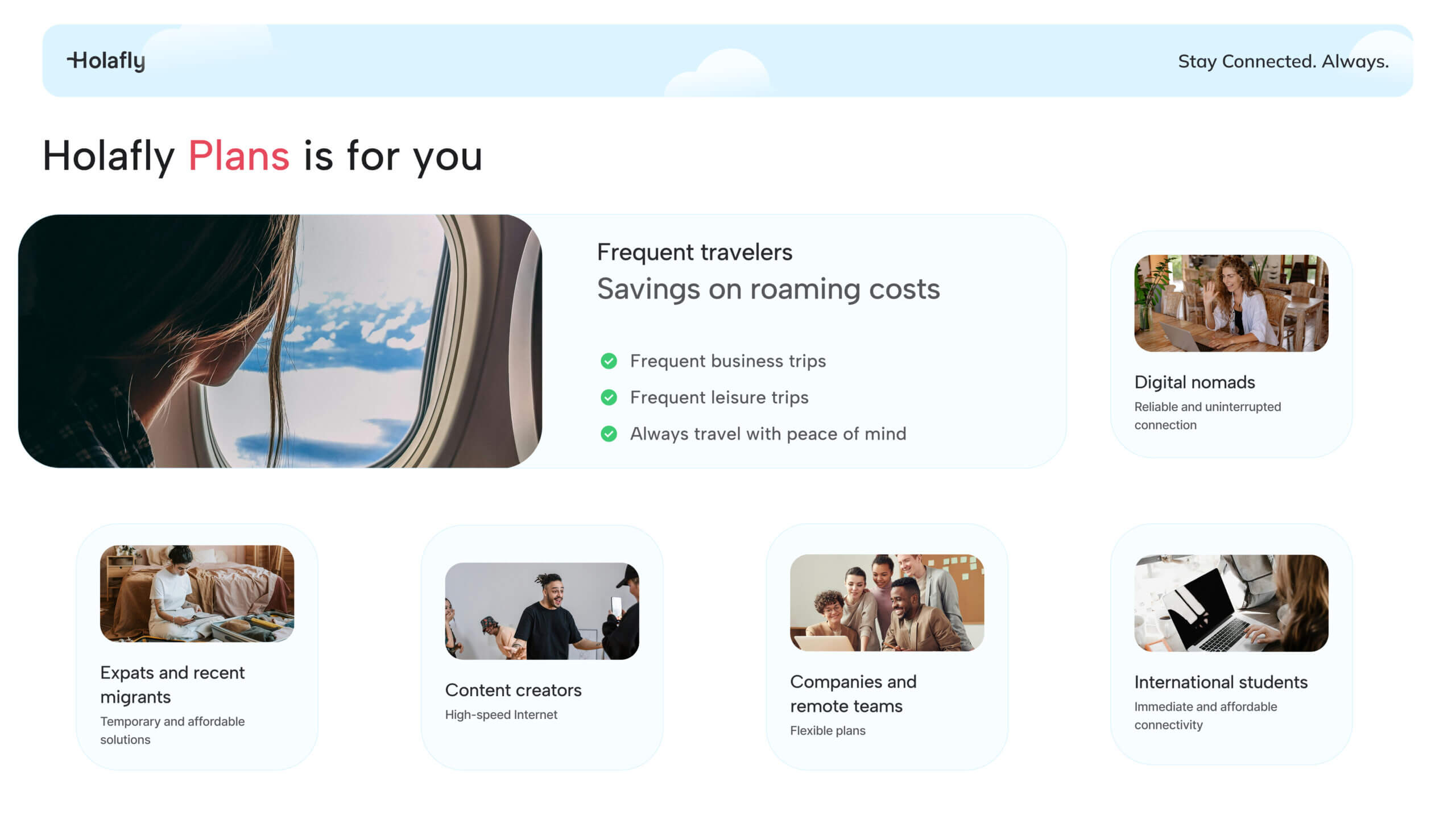
The proliferation of these services has broad implications for the global travel and telecommunications sectors. As digital nomadism becomes a permanent fixture of the post-pandemic economy, the demand for "always-on" connectivity is no longer a luxury but a professional necessity.
Industry analysts suggest that the rise of global eSIM plans is forcing domestic carriers to rethink their international roaming strategies. Historically, these carriers relied on "roaming revenue" as a high-margin component of their business model. However, with the rise of third-party eSIM providers, consumers are increasingly bypassing these proprietary add-ons in favor of independent, specialized services that offer superior data density at a lower price point.
Moreover, the "Always On" feature—which provides a small, baseline amount of emergency data even after a subscription is canceled—reflects a move toward "connectivity-as-a-utility." By providing a safety net for travelers, companies are attempting to build long-term brand loyalty, treating mobile data as a necessary service comparable to electricity or water rather than a premium retail product.
Implementation and Regulatory Considerations
The transition to these services is not without its hurdles. To utilize these plans, a user must possess a device that is carrier-unlocked and eSIM-compatible. While the vast majority of flagship smartphones manufactured after 2019 support this technology, a segment of the global population still relies on older hardware.
Furthermore, the quality of service remains dependent on local network infrastructure. While these subscription services offer a seamless user interface, the actual signal strength and speed are dictated by the underlying agreements with local mobile network operators (MNOs) in each of the 160+ supported countries. Consequently, the reliability of a global plan can fluctuate based on the specific network partnerships in a given region.
The Outlook for Global Travelers
The trajectory of the eSIM market points toward a future where "roaming" becomes an obsolete concept. As hardware manufacturers continue to phase out physical SIM trays in favor of sleeker, water-resistant, and more efficient eSIM-only designs, the barrier to entry for these services will continue to drop.
For the frequent traveler, the value proposition is clear: the integration of unlimited data, hotspot functionality, and persistent international phone numbers into a single monthly bill reduces the cognitive load associated with international travel. As service providers continue to refine their subscription models and expand their roaming footprints, the competition is expected to drive prices further down while increasing data allowances.
Ultimately, the emergence of Holafly Plans and similar services highlights a broader trend toward the democratization of global connectivity. By decoupling mobile access from domestic telecom contracts, these services empower users to maintain a professional and social digital presence, regardless of their geographical location. For the professional on the move, the logistical nightmare of "staying connected" is rapidly being replaced by the simplicity of a digital, subscription-based ecosystem.
As the industry moves forward, observers will be watching to see how traditional, legacy telecommunications carriers respond. Whether they choose to lower their own international roaming prices or pivot to become partners with these specialized eSIM providers remains an open question. Regardless, the winner in this transition is the consumer, who now has access to more reliable, affordable, and flexible connectivity solutions than at any point in the history of mobile communication.