Building a Pipeline of Student Voices: How Unity Concord International School is Revolutionizing Public Speaking

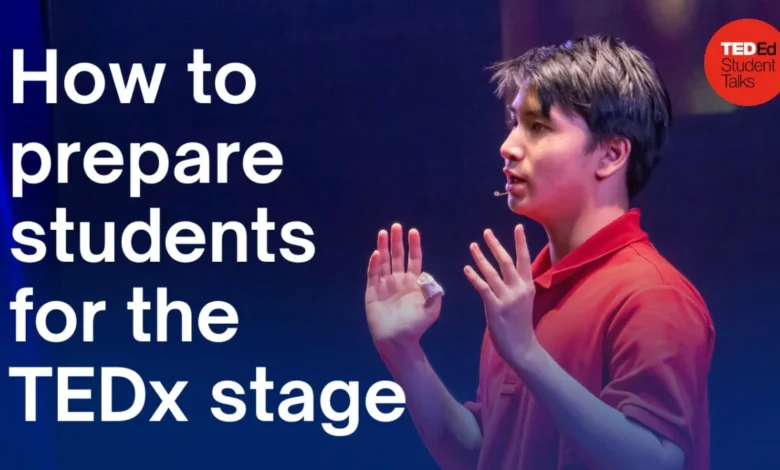
Every educator knows the challenge: teenagers have incredible ideas, but getting them to step up to the microphone takes more than just an invitation; it requires an ecosystem of support, practice, and inspiration. At Unity Concord International School (UCIS) in Chiang Mai, Thailand, administrators have successfully bridged the gap between classroom-based public speaking training and large-scale, professional-grade presentation events. By integrating their year-round TED-Ed Student Talks program with the annual TEDxUCIS Youth conference, the school has established a self-sustaining pipeline that fosters student confidence, intellectual rigor, and institutional change.
The Mechanics of an Educational Ecosystem
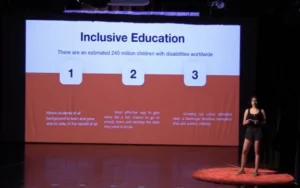
The strategy at UCIS rests on the premise that public speaking is not an innate talent but a skill-based discipline that thrives on repetition and community reinforcement. The school’s approach involves two distinct yet deeply interconnected programs. The first, the TED-Ed Student Talks group, acts as a low-stakes incubator for students, typically starting in the 5th and 6th grades. Here, students learn the fundamentals of storytelling, idea development, and stage presence.
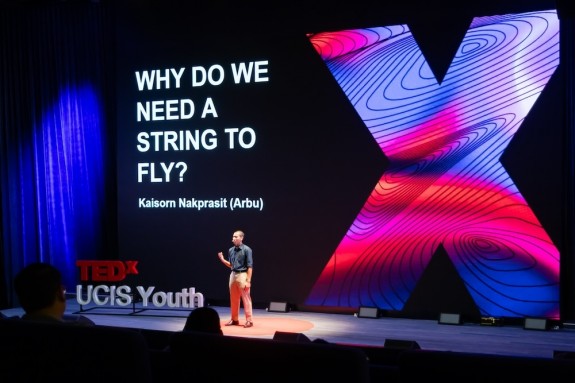
The second component is the TEDxUCIS Youth event, a high-visibility, professional stage that serves as the culmination of the students’ developmental journey. By aligning these two entities, UCIS has solved the perennial issue of student engagement. When younger students witness their older peers successfully navigating the pressures of a professional stage, the experience demystifies the process of public speaking and provides a tangible goal for their own academic growth.
A Chronology of Student Development
The trajectory of a student at UCIS often spans several years, creating a culture where public speaking is viewed as a developmental milestone rather than an isolated extracurricular activity.
In the primary stages—specifically within the 5th and 6th-grade homeroom environment—the focus is on discovery. Coordinators, such as Abby Schrantz, emphasize a "personal touch" to recruitment, moving beyond traditional digital notices to direct engagement with students. This peer-to-peer endorsement is critical; when students see their friends articulating complex ideas on stage, the barrier to entry is lowered, and the motivation to participate increases.
As students move into middle and high school, they transition from the foundational TED-Ed group into the more rigorous requirements of the TEDx organization process. By the time they reach the senior years, they are not merely participants but potential leaders and organizers. Madison Conger, the TEDxUCIS Youth license holder, notes that this long-term exposure significantly reduces the administrative burden of event production. Because students are already familiar with the TED philosophy and the mechanics of preparing a talk, organizers spend less time teaching basic concepts and more time refining the substance of the ideas presented.
Data-Driven Success and Institutional Growth
The effectiveness of this program is reflected in its sustained growth. Current enrollment for the TED-Ed Student Talks group at UCIS has reached maximum capacity, necessitating a shift toward more sophisticated peer-review structures. These sessions involve students analyzing archival footage from previous events, allowing them to provide actionable feedback on pacing, emotional resonance, and the use of visual aids.
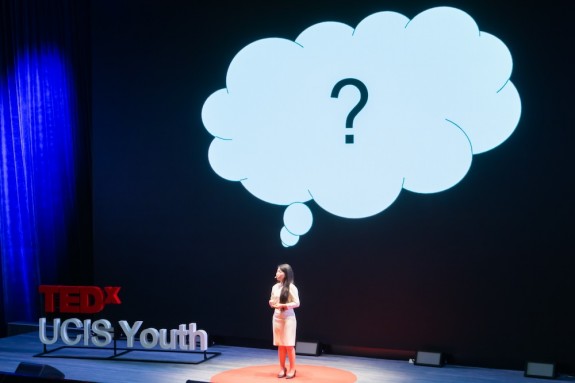
Quantitative metrics in educational public speaking programs often show a direct correlation between early, low-stakes exposure and higher academic performance in literacy-based subjects. At UCIS, this is supplemented by a "multisensory" approach to the TEDx event. By incorporating art installations and interactive sensory rooms alongside the traditional talks, the school has elevated the event into a community-wide festival of ideas. This approach ensures that the audience—which includes parents, faculty, and students—is fully immersed, thereby amplifying the reach of the students’ messages.
Official Perspectives on Program Integration
The synergy between the two programs is not accidental; it is the result of intentional administrative design. Fernando Oringo, International Co-curricular Coordinator of the Ambassador Education Group, has been instrumental in analyzing how this model can be scaled and replicated in other institutions across Thailand, Vietnam, and Cambodia.
"The goal is to move beyond the one-off project," Oringo explains. "When you create a pipeline, you are creating a culture. Students don’t just speak; they learn how to think critically about their own lives and the community around them."
Madison Conger echoes this, emphasizing that the program serves as a "roadmap." By standardizing the developmental path from early exploration to the main stage, the school provides students with a sense of purpose. This roadmap also helps in mitigating the common "burnout" associated with student extracurriculars. Because students are guided incrementally, the pressure of a final performance is replaced by a sense of readiness and accomplishment.
Broader Implications: Moving from Speech to Policy
Perhaps the most significant outcome of the UCIS model is its tangible impact on school policy and student well-being. The talks are not limited to abstract concepts; they are frequently rooted in the lived experiences of the students.
In the past year, students have addressed themes such as the psychological toll of overthinking and the societal pressures inherent in an international school environment. These discussions serve as a cathartic mechanism for the student body. Furthermore, these talks have catalyzed real-world policy shifts. For example, a student-led presentation regarding the unique challenges faced by "cross-cultural kids"—students who navigate multiple national and cultural identities—directly inspired the administration to form a support network for both parents and students. This transition from "speech" to "institutional change" validates the student voice as a legitimate tool for governance and community building.
Analysis: Why This Model Works
The success of the UCIS model can be attributed to three key factors:
- Low-Stakes Introduction: By beginning the training process at the 5th-grade level, the school removes the "fear factor" of public speaking before it becomes a significant psychological hurdle in high school.
- Visible Progression: The transition from the TED-Ed group to the TEDx main stage provides a visible "graduation" path. This helps students internalize their own progress over time.
- Community Integration: By positioning the TEDx event as a school-wide exhibition rather than an isolated extracurricular, the school ensures that the entire community is invested in the ideas presented.
For other educational institutions looking to replicate this success, the data suggests that the "brand recognition" of the TED platform acts as a powerful catalyst. Students are inherently drawn to the prestige and global reach associated with the TED name. However, the true value lies in the rigorous, structured curriculum provided by the TED-Ed framework, which allows educators to facilitate high-quality speech preparation without requiring specialized oratory training.
Looking Ahead
As the program continues to evolve, the focus at UCIS remains on inclusivity and sustained engagement. The challenge for future years will be to maintain the quality of mentorship as the program scales, ensuring that the "personal touch" remains a priority despite potentially larger cohorts.
The implications for international education are profound. In an era where communication skills are increasingly vital, the ability to synthesize complex ideas and present them with clarity and empathy is a foundational 21st-century competency. By fostering this through a consistent, multi-year pipeline, UCIS is not just producing speakers; it is cultivating a generation of informed, articulate, and empathetic citizens who are prepared to advocate for themselves and their communities on the global stage.
The roadmap for educators is clear: start early, encourage peer-to-peer mentorship, align with a recognized framework, and, most importantly, treat the student voice as a catalyst for genuine, systemic change within the school environment. The results from Chiang Mai demonstrate that when students are given both the platform and the tools to succeed, they do not just speak—they lead.