
On the morning of July 7, 2026, a structural failure at the former Pfizer headquarters on East 42nd Street sent shockwaves through the New York City real estate industry, exposing potential vulnerabilities in the city’s aggressive push to repurpose obsolete commercial towers into residential housing. The incident, which involved the buckling of critical steel support columns, has halted work on the city’s largest office-to-residential conversion to date and raised urgent questions regarding the safety, oversight, and financial viability of the adaptive-reuse movement.
The project, spearheaded by MetroLoft developer Nathan Berman, aimed to transform the sprawling pharmaceutical complex into a 1,600-unit apartment building. For city officials, the Pfizer conversion was the crown jewel of the "City of Yes" initiative—a legislative package designed to alleviate the dual crises of a post-pandemic office glut and a chronic shortage of affordable housing. However, the "hairline fractures" discovered by 25-year-old steamfitter Sean Dow on the 22nd floor have instead become a symbol of the risks inherent in "buying the bricks" of aging skyscrapers.
The July 7 Structural Incident: A Chronology
The crisis began shortly after 6 a.m. when construction crews reported to the East 42nd Street site. Sean Dow, a member of the Steamfitters union, was assigned to the 22nd floor of the taller high-rise, where MetroLoft was in the process of adding a slender addition to the existing 1960s-era structure. While surveying his workspace, Dow noticed concrete slabs that appeared to be sagging and crumbling.
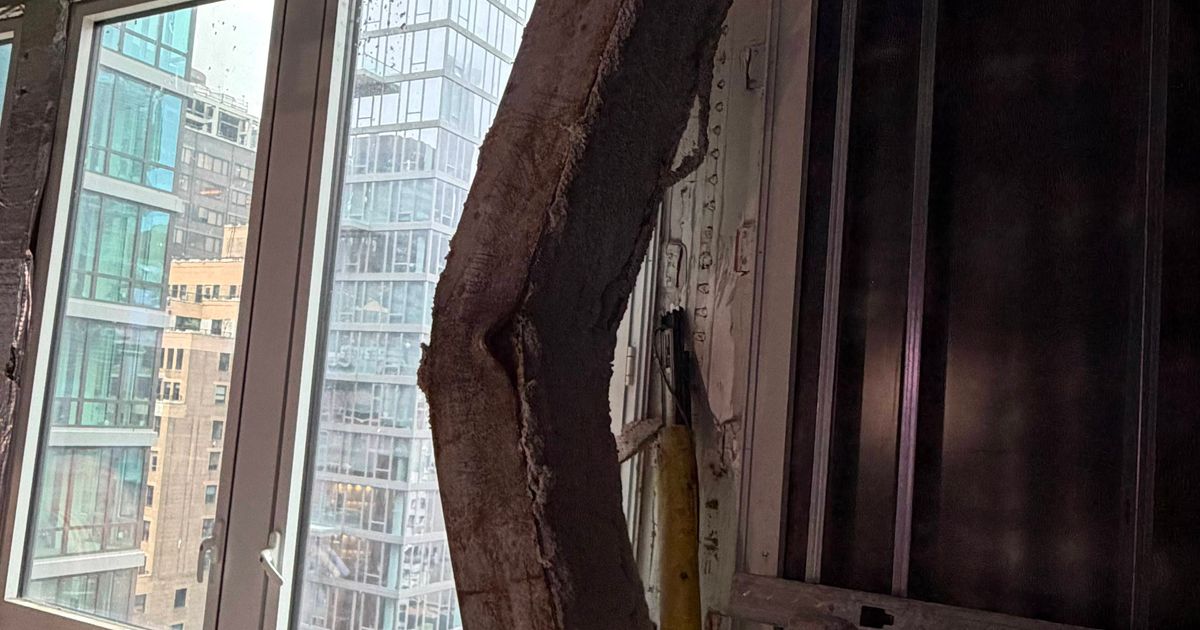
Upon descending to the 21st floor, Dow and other contractors discovered the source of the instability: two vertical steel columns had bent and cracked under the weight of the new 16-story addition. The "load path"—the route through which a building’s weight is transferred to its foundation—had been compromised. Emergency responders from the New York City Fire Department (FDNY) and inspectors from the Department of Buildings (DOB) arrived shortly thereafter, cordoning off a nine-block "frozen zone" in Midtown Manhattan as fears of a potential collapse grew.
While the building was eventually stabilized, the fallout was immediate. Developer Nathan Berman initially characterized the event as a "typical construction mishap," a statement he later walked back as the scale of the failure became clear. By late July, MetroLoft announced plans to dismantle the entire addition, an expensive and logistically complex reversal for a project that had already secured record-breaking financing.
The Legislative Catalyst: The City of Yes
The Pfizer project was born out of a radical shift in New York City’s zoning and tax policy. Following the COVID-19 pandemic, Manhattan’s office vacancy rates surged to historic highs, hovering near 20% in some submarkets. Simultaneously, the city faced a desperate need for new housing units to curb skyrocketing rents.
In response, the administration of former Mayor Eric Adams enacted the "City of Yes for Housing Opportunity" program. This policy provided several critical levers for developers:
- Zoning Flexibility: The program made office buildings constructed as recently as 1990 eligible for residential conversion, moving the previous cutoff from 1961 (and 1977 in parts of Lower Manhattan).
- Housing Code Relaxations: The DOB eased interpretations of light and air requirements, allowing for "home offices" in deep-floorplate buildings that lack direct window access.
- Tax Incentives: Under the new 467-m incentive (the successor to the 421-g and similar programs), developers who set aside 25% of units for affordable housing could receive near-total property tax abatements during construction and for decades following completion.
These incentives turned the "office apocalypse" into a gold rush. According to the New York City Comptroller’s office, more than 40 office properties have entered the conversion pipeline since 2020, representing over 15,000 potential new rental units.
The Developer’s Thesis: Nathan Berman and MetroLoft
Nathan Berman, a Ukrainian-born developer who began his career in Tribeca in the 1990s, became the face of this boom. Unlike traditional developers who build from the ground up, Berman’s strategy focused on the speed and efficiency of reuse. By utilizing existing shells, he could bypass the lengthy foundation-pouring stage and move directly to interior renovations, significantly reducing the "carry cost" of high-interest construction loans.
Berman’s track record in the Financial District, including successful conversions at 17 John Street and 20 Broad Street, earned him the trust of major institutional lenders. In May 2025, MetroLoft and its partners secured a $720 million construction loan for the Pfizer building, followed by an $867 million financing package for 111 Wall Street.
However, the Pfizer project presented unique challenges. Unlike the pre-war buildings of Lower Manhattan, the 1960s Pfizer tower featured a "cantilevered" design—a section of the new addition hung over an existing setback. Structural engineers, including James LaFave of the University of Illinois, noted that vertical columns originally designed to support a roof were suddenly asked to bear the weight of 16 additional stories.
Regulatory Lapses and Safety Concerns
The investigation into the Pfizer failure has revealed a troubling lack of oversight. The New York Times reported that the private inspection firm hired by MetroLoft to certify the building’s structural integrity had a history of safety lapses. Furthermore, the firm’s founder was a former DOB employee who had resigned decades earlier following allegations of misconduct and later pleaded guilty to evidence tampering in a separate bribery case.
Technical analysis suggests that the engineering specifications for the Pfizer building called for the buckled columns to be reinforced with welded metal plates. Evidence from the site, however, indicated that these reinforcements may never have been installed. This discrepancy has triggered a "massive review" by the DOB of all sites associated with the contractors involved in the project.
The Manhattan District Attorney’s office has reportedly opened a criminal inquiry into the incident, focusing on whether safety protocols were bypassed to maintain the project’s aggressive timeline.
The Labor Conflict: Union vs. Non-Union
The structural failure has also become a flashpoint in the ongoing struggle between construction unions and developers. MetroLoft utilizes a "merit shop" model, employing a mix of union and non-union labor. Labor activists, led by the Steamfitters and other trade locals, have seized on the Pfizer incident to argue that the "City of Yes" program rewards developers who cut corners on safety and wages.

Union officials point out that while ground-up developments receiving city subsidies are often subject to prevailing wage requirements, the conversion tax incentives do not carry the same mandates. "Do your due diligence on who built that and how it was built," warned a union representative during a protest outside the Pfizer site. "Or that could be what you’re living in."
Berman has dismissed these claims as "total nonsense," asserting that his use of non-union labor is a financial necessity and that the structural failure was a human error unrelated to the labor model. Nevertheless, the political optics of a leaning tower in Midtown have strengthened the hand of those calling for stricter labor regulations on conversion projects.
Broader Impact and the Future of the Boom
The "frozen zone" on East 42nd Street has cast a shadow over the broader commercial real estate market. While the demand for housing remains high, the Pfizer incident may lead to a "flight to quality" among lenders and insurers.
Market Implications:
- Lender Caution: Large financial firms like Apollo Global and JPMorgan Chase, which have heavily funded the conversion boom, may now demand more rigorous third-party engineering audits, slowing the pace of new project approvals.
- Increased Costs: If the DOB mandates more robust structural reinforcements for all mid-century conversions, the "efficiency" of Berman’s model will be significantly diminished.
- The "Office Recovery" Paradox: Ironically, as millions of square feet of office space are removed from the market for conversion, the vacancy rate for the remaining "Class A" office space has begun to stabilize. If office rents rebound, the financial incentive to convert may vanish, particularly if conversion costs rise due to new safety regulations.
Conclusion: A City at a Crossroads
The failure at the Pfizer building serves as a stark reminder that the "City of Yes" cannot be a city of "anything goes." While the recycling of obsolete office towers remains a logical solution to New York’s housing crisis, the physical reality of the city’s aging infrastructure cannot be ignored.
Nathan Berman’s "brick on a match" analogy—that the failure was a simple matter of physics—underscores the precarious nature of these massive engineering undertakings. As the Manhattan District Attorney and the Department of Buildings continue their investigations, the real estate industry must grapple with a sobering truth: the cracks in the Pfizer building may be indicative of cracks in the very foundation of the conversion boom. For New York to successfully transition into its post-pandemic future, it must ensure that its quest for new housing does not come at the expense of structural integrity and public safety.