Illuminating the Digital Age: How LED Strip Lights and Ring Lighting Transformed Visual Content Creation

The rapid evolution of digital media over the past decade has fundamentally transformed how individuals and businesses communicate, market, and share stories. From high-production commercial studios to home offices utilized for remote work and live-streaming, professional-grade illumination is no longer a luxury reserved for Hollywood cinematographers. Today, an estimated half of all content creators, digital marketers, and remote professionals utilize some form of LED lighting technology—specifically LED strip lights and specialized ring fixtures—to elevate the visual fidelity of their photos and videos. As platforms like YouTube, TikTok, Instagram, and Zoom dominate modern communication, understanding the physics, application, and strategic deployment of light-emitting diode (LED) technology has become essential for anyone striving to project a polished, authoritative digital presence.
To comprehend the ubiquity of modern LED lighting, one must examine the technological trajectory that brought these systems to the forefront of modern electronics. For decades, traditional incandescent and fluorescent bulbs dominated residential and commercial spaces. While functional, these older lighting methods suffered from severe limitations: high energy consumption, excessive heat generation, bulky physical footprints, and a short operational lifespan. The commercialization of practical blue LEDs in the early 1990s—a breakthrough that eventually earned the inventors the Nobel Prize in Physics in 2014—paved the way for white light generation and efficient semiconductor-based illumination.
By the late 2000s and early 2010s, manufacturing efficiencies drove down the cost of surface-mount device (SMD) LEDs. This economic shift allowed manufacturers to arrange microscopic diodes along flexible circuit boards, giving birth to the modern LED strip light. Simultaneously, ring lights—initially popularized in the medical and dental fields for shadowless macro photography—transitioned into the consumer beauty, fashion, and vlogging markets. By surrounding a camera lens with a circular array of balanced diodes, creators could achieve uniform facial illumination and a signature circular catchlight in the eyes, instantly elevating the perceived quality of the video feed.
The modern market offers a vast ecosystem of LED configurations designed to meet diverse functional demands. Understanding these variations is critical for optimizing visual production value. Flexible LED strip light kits represent the most versatile category, allowing users to outline architectural features, backlight monitors, or construct custom softboxes. These strips are commonly categorized by chip size—such as SMD 3528 for accent lighting or SMD 5050 for higher-lumen output—and are frequently paired with smart controllers enabling dynamic RGB color mixing and adjustable color temperatures.
Beyond flexible strips, linear rigid bars, panel arrays, and specialized ring fixtures dominate the landscape. Panel lights provide directional, high-intensity output suitable for three-point lighting setups, while ring lights remain the gold standard for talking-head videos, makeup tutorials, and virtual conferencing. Industry data indicates that the global LED lighting market has expanded exponentially, driven by a compound annual growth rate (CAGR) of over 10% through the late 2010s and early 2020s. This growth is heavily supported by consumer demand for smart-home integration and content creation tools.
The enduring popularity of ring lighting and LED strips stems from a combination of physiological optics and economic practicality. When recording video or capturing still images, human perception relies heavily on contrast and shadow management. Traditional overhead or side lighting often casts harsh shadows beneath the eyes, nose, and chin, which can convey unintended fatigue or unprofessionalism.
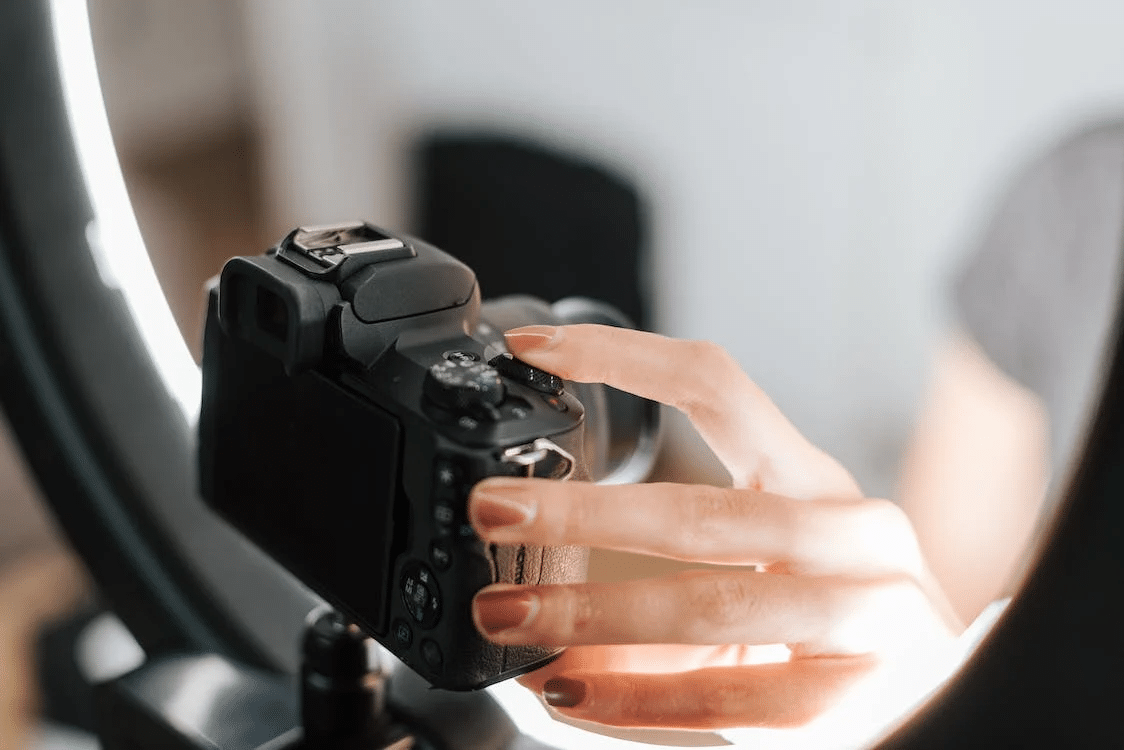
Ring lights mitigate this issue through coaxial illumination. Because the light source surrounds the optical axis of the camera, shadows are cast directly backward and hidden from the camera’s perspective. This results in an exceptionally flattering, even spread of light across the subject’s face. Furthermore, the circular reflection produced in the subject’s eyes—known in the industry as a catchlight—adds depth, vitality, and a professional sheen to the eyes.
From an operational standpoint, LEDs offer unmatched energy efficiency. Consuming up to 80% less electricity than incandescent equivalents and operating at significantly lower temperatures, LED setups eliminate the risk of thermal discomfort during long recording sessions or virtual meetings. Their solid-state construction also ensures durability against minor impacts and vibrations, reducing long-term replacement costs for studios and remote workers alike.
Maximizing the utility of LED strip lights and ring fixtures requires adherence to fundamental photographic principles rather than random placement. Industry professionals and technical consultants emphasize several baseline considerations when designing an optimal lighting environment:
First, color temperature—measured in Kelvin (K)—dictates the mood and compatibility of the scene. Daylight-balanced LEDs (typically 5600K) blend seamlessly with natural window light, while tungsten-balanced options (around 3200K) match warm indoor incandescent bulbs. Bi-color LED fixtures allow users to adjust color temperature dynamically, ensuring accurate skin tones across varying ambient conditions.
Second, the Color Rendering Index (CRI) is a vital metric that measures a light source’s ability to reveal the true colors of objects compared to natural sunlight. High-end LED kits generally feature a CRI rating of 90 or above, preventing skin tones from appearing washed out, green, or magenta.
Third, spatial positioning and diffusion are crucial. Placing a ring light too close to the subject can create specular highlights (undesirable glossy spots on the skin), while positioning it too far diminishes its softening effect. Utilizing diffusion panels or softbox attachments helps scatter the diode output, creating a softer, more professional gradient of light and shadow.
Finally, managing power supply and control mechanisms—such as pulse-width modulation (PWM) dimming—ensures that the lights do not introduce visible flicker into video footage captured at high shutter speeds or specific frame rates.
As the demand for high-definition digital communication continues to accelerate, the selection of appropriate hardware has become a strategic priority for independent creators, corporate communicators, and real estate professionals alike. Navigating the myriad technical specifications, lumen outputs, and accessory options can be daunting for newcomers. Industry experts recommend consulting specialized suppliers who understand the nuanced requirements of visual media production.
Regional distributors, such as LED Montreal, have emerged as vital resources for consumers seeking tailored guidance on strip light kits, power supplies, and mounting accessories. By investing in precise, high-CRI lighting solutions, creators not only enhance the aesthetic appeal of their content but also future-proof their setups against the ever-increasing resolution standards of modern digital platforms. Whether outfitting a professional studio or upgrading a home office for seamless video conferencing, the strategic deployment of advanced LED technology remains the most cost-effective and impactful upgrade for any digital communicator.