The Shift to AI Search: How Artificial Intelligence is Redefining the Modern Digital Discovery Landscape


The fundamental nature of how information is discovered online has undergone a seismic shift, marking the most significant disruption to the search industry since the inception of Google’s index. For decades, the digital economy was built upon the "blue link" paradigm—a process where users entered a query, browsed a list of results, and clicked through to third-party websites to synthesize information. Today, that model is being rapidly supplanted by AI-powered answer engines, such as ChatGPT, Perplexity, and Gemini, which provide direct, synthesized responses, effectively bypassing the traditional click-through journey. This transformation has forced a complete overhaul of marketing strategies, moving the industry from a focus on traditional Search Engine Optimization (SEO) to the emerging discipline of Answer Engine Optimization (AEO).
The Evolution of Search: A Chronology of Disruption

The transition toward AI-mediated search did not happen overnight. It is the culmination of years of rapid advancement in Large Language Models (LLMs). In November 2022, the launch of ChatGPT served as the catalyst, demonstrating to the general public that a machine could interpret complex intent and deliver conversational, cohesive answers. Throughout 2023 and 2024, the major search incumbents—Google and Microsoft—rushed to integrate generative AI features into their core products, with Google’s AI Overviews and Microsoft’s Copilot integration fundamentally altering the Search Engine Results Page (SERP).
By early 2025, the trend had matured into a standard consumer behavior. Industry data indicates that the "zero-click" phenomenon—where search queries are resolved without a single click to an external domain—has become the norm rather than the exception. According to recent reports from Bain & Company, approximately 60% of search queries now conclude without the user progressing to a website. This is a critical development for businesses that have historically relied on organic search traffic as their primary source of lead generation and brand awareness.
Data-Driven Realities for Modern Buyers

The shift is particularly pronounced in the B2B sector. A study by Forrester Research highlights that 94% of B2B buyers now utilize AI tools during their procurement process. More importantly, 55% of these buyers leverage AI specifically to compare vendors, while 54% use it for product research—all before initiating contact with a sales representative. This data confirms that the "buyer’s journey" is largely occurring within the walls of AI models, far removed from the direct control of the vendors being evaluated.
Consumer behavior in the B2C space mirrors this trend. Adobe Digital Insights reported that 56% of U.S. consumers utilized generative AI during the 2025 holiday shopping season, a 45% increase from the previous year. This rapid adoption suggests that the reliance on AI for purchase decisions is no longer a niche behavior limited to early adopters, but a mainstream habit across all demographics, including older generations.
Categorizing the New Search Infrastructure
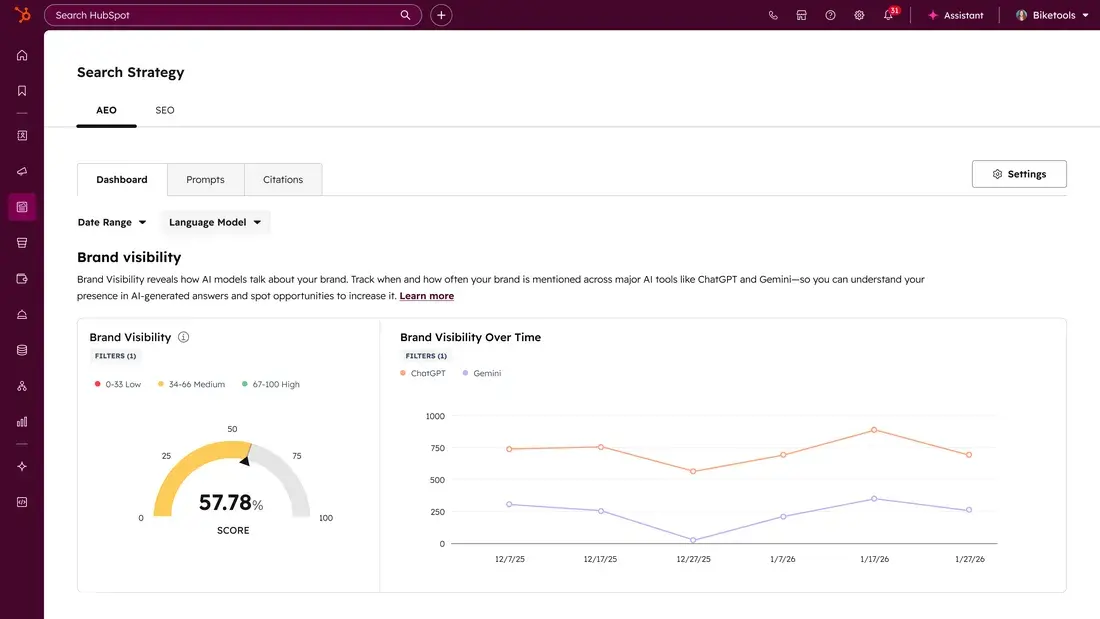
To navigate this landscape, marketers must distinguish between the three primary categories of AI search tools, each serving a distinct function in the digital ecosystem.
-
Answer Engines: These platforms, including ChatGPT, Perplexity, and Gemini, are designed to synthesize information from multiple sources into a single, cohesive response. They are the primary discovery layers for modern users. The challenge for marketers here is that these tools act as gatekeepers; if a brand is not cited or mentioned in the synthesized response, it effectively does not exist for the user.
-
AI Site Search Tools: Unlike public-facing answer engines, these tools (such as Algolia, Coveo, and Elasticsearch) are deployed internally by companies to manage search functionality on their own websites and knowledge bases. They utilize semantic search and natural language processing to ensure that visitors can find specific products or documentation without leaving the site. For enterprise-level organizations, this is the first line of defense in retaining visitor engagement.

-
Answer Engine Optimization (AEO) Tools: These are the emerging diagnostic platforms that allow marketers to quantify their brand’s presence within the AI ecosystem. Tools such as HubSpot AEO, as well as emerging competitors like RankPrompt, monitor how often a brand is mentioned or cited by AI models. They provide the necessary data to bridge the gap between "ranking on Google" and "being recommended by an AI."
Implications for Marketing Strategy
The primary implication of this shift is the erosion of the traditional traffic-based metric of success. As organic traffic volumes decline, the ability to influence AI-generated output becomes the new currency of digital marketing. The strategy is no longer just about volume of content, but about the quality, credibility, and "cite-ability" of that content.

Marketers are now facing a reality where they must optimize for "machine readability" rather than just human readability. This requires a focus on high-authority, well-sourced, and transparent content that AI models are likely to prioritize when synthesizing answers. Furthermore, the integration of CRM data into these AI workflows—such as the connectors offered by platforms like HubSpot—allows companies to ground their AI interactions in actual, proprietary customer data, providing a competitive edge in accuracy and relevance.
Expert Analysis and Industry Responses
Industry analysts note that while the technology is still maturing, the lack of standardization in how AI models cite their sources remains a primary concern. The Columbia Journalism Review, in its assessment of AI search engines, noted that while some tools perform better than others, the error rate in citations remains a hurdle for widespread professional adoption.
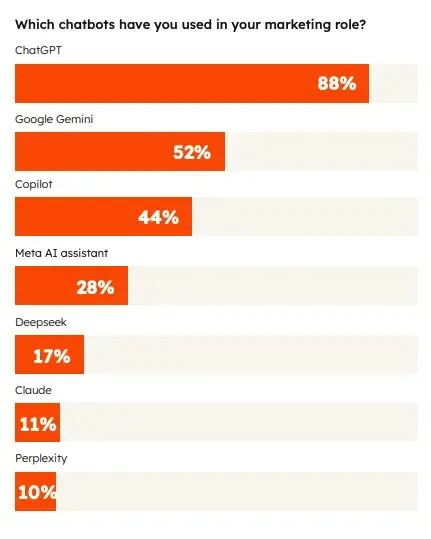
Despite these shortcomings, the consensus among technology analysts is that there is no turning back. Organizations that continue to ignore their presence in AI answer engines risk losing visibility among the 94% of B2B buyers who have already integrated these tools into their research workflows.
The Path Forward: Recommendations for Marketers
For teams struggling to find their footing, the recommendation from industry experts is a tiered approach. First, prioritize the diagnostic phase. Utilizing free tools, such as the AI Search Grader, allows companies to obtain a snapshot of their current visibility. This data-driven baseline is essential for determining where the brand stands in comparison to competitors within the major AI engines.

Second, evaluate the need for AI-powered site search. For e-commerce and SaaS companies with massive documentation libraries, the implementation of advanced internal search tools like Algolia or Coveo is no longer a luxury but a functional requirement to prevent customer churn.
Finally, shift focus from keyword ranking to brand authority. As AI models become more adept at identifying credible sources, the brands that invest in primary research, expert-led content, and transparent, well-structured data will be the ones that win in the era of AI.
The landscape of search has changed, but the fundamental goal of marketing remains the same: to be found by the right people at the right time. While the "blue link" may be fading into the background, the demand for accurate, reliable information remains higher than ever. By embracing AEO, investing in site-specific AI search, and maintaining a commitment to high-quality content, marketers can navigate this transition and maintain their competitive advantage in an increasingly automated digital marketplace.
Related posts: