The Path to Seven Figures: How One Retired Project Manager Built Lasting Wealth Through Disciplined Investing


The journey to accumulating a net worth of $1 million is rarely a linear trajectory of windfalls; for most, it is the result of decades of incremental gains, aggressive savings strategies, and a steadfast commitment to long-term market participation. A 68-year-old retired media project manager from Southern Maryland provides a compelling case study in this methodology. After a career defined by consistent, mid-level earnings—his final salary was reported at $98,950—he successfully reached the million-dollar milestone in his early 40s. His strategy, which centered on self-directed investing and real estate acquisition, offers a blueprint for those seeking to build wealth without relying on high-income windfalls or speculative ventures.
The Chronology of Wealth Accumulation
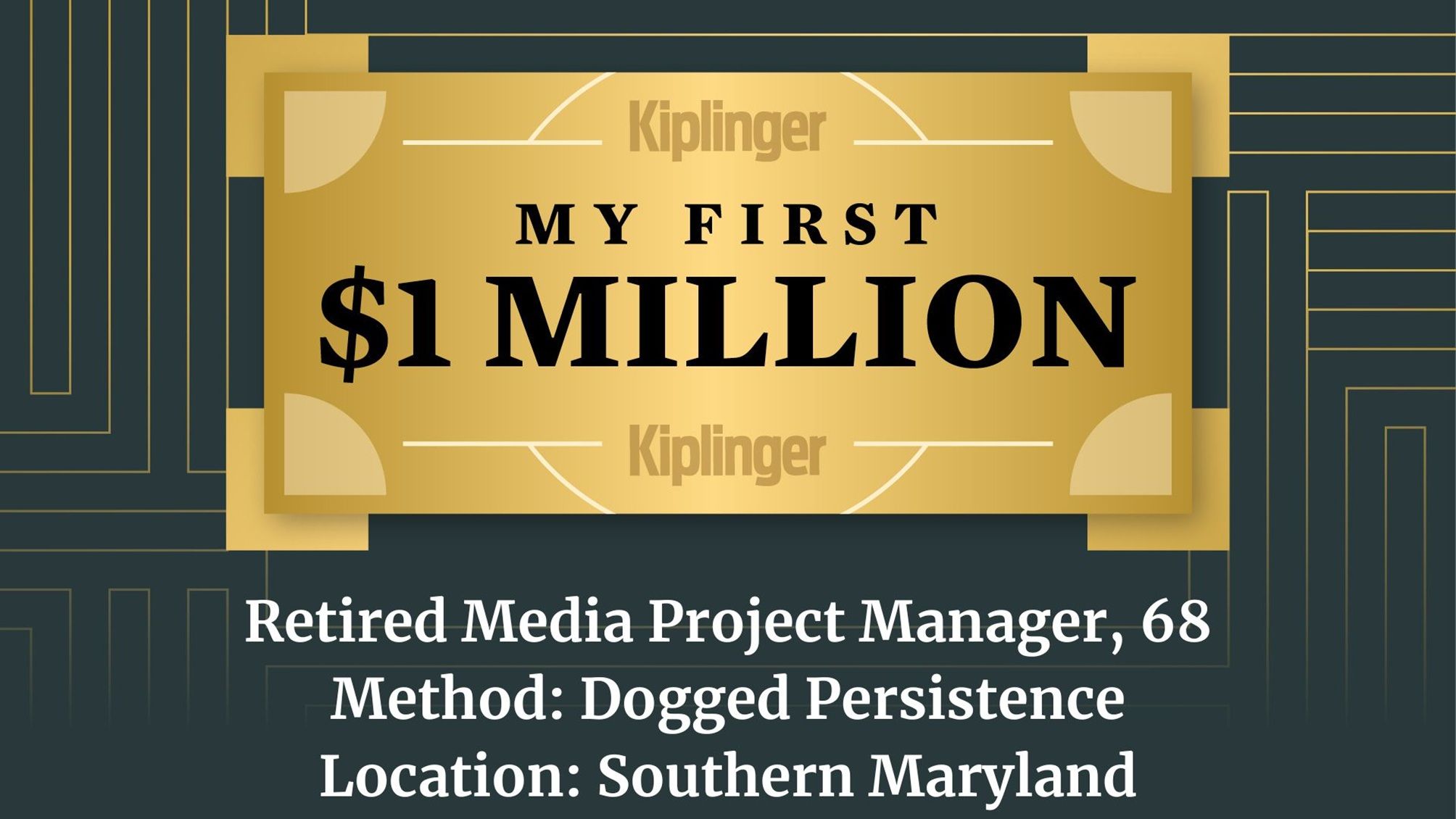
The subject’s financial journey began in childhood, influenced heavily by his father, who introduced him to the mechanics of equity markets early on. By the eighth grade, he had purchased his first equity position in AT&T. This early exposure to the concept of ownership set the stage for a lifetime of financial literacy. Following his graduation from college, he leveraged a $3,000 personal loan to invest in local electric utility providers—holdings he maintains to this day.
Throughout his professional life, the subject adhered to a rigorous regime of financial tracking. Before the advent of digital spreadsheet software, he manually recorded every transaction, tax liability, and investment return on accounting columnar pads. This obsession with data allowed him to model various financial strategies with high precision. By the time he reached his 40s, his net worth surpassed the $1 million threshold, driven by a combination of maxed-out 401(k) contributions, disciplined IRA funding, and a pivot toward single-family residential real estate.
Strategic Asset Allocation and Real Estate Integration
While many investors rely exclusively on equities, this individual diversified his portfolio by incorporating rental real estate during his children’s elementary school years. Initially intended as a college savings vehicle, the real estate portfolio proved to be so successful in generating free cash flow that the need to liquidate these assets for educational expenses was rendered unnecessary. Over time, these properties were consolidated into a Limited Liability Company (LLC) to streamline management and facilitate estate planning.
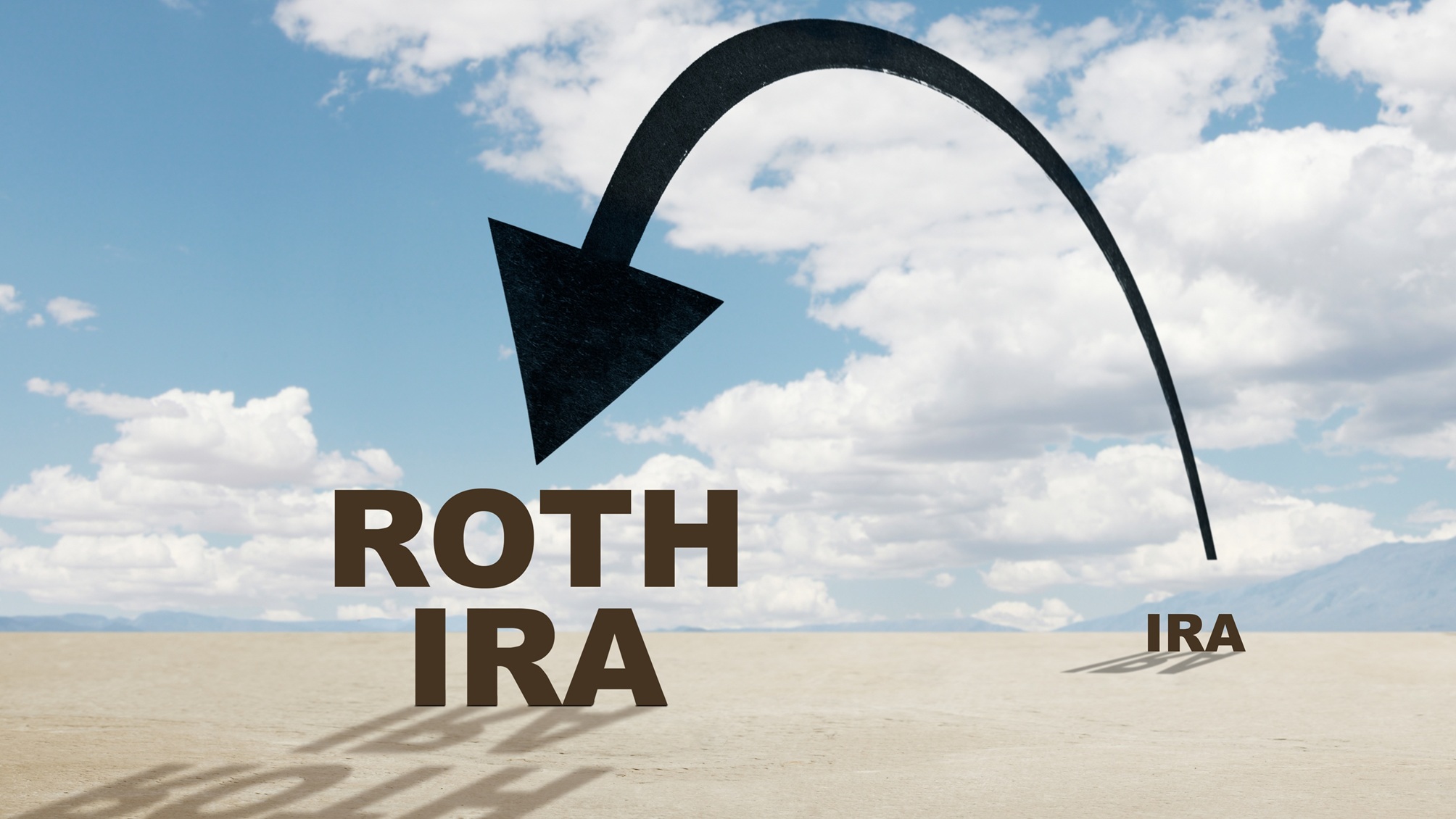
The subject’s approach to tax optimization has been equally meticulous. A long-time proponent of Roth IRAs, he utilized "backdoor" conversions to circumvent income limits that restricted direct contributions for many years. Furthermore, he views market volatility—often exacerbated by political cycles—as a strategic opportunity. When markets retract, he executes Roth conversions, effectively shifting assets into tax-free growth vehicles at a lower cost basis.
The Role of Self-Directed Management

A defining characteristic of this investor’s strategy is his reliance on self-directed financial management. Aside from a single consultation with Edelman Financial Engines shortly before his retirement to validate his projections, he has eschewed the services of traditional financial advisers. His analysis revealed that his existing portfolio was already sufficient to sustain his retirement, a finding that provided psychological security to both him and his spouse.
This reliance on self-direction extends to his tax preparation. While he utilizes a Certified Public Accountant (CPA) for complex estate, trust, and LLC tax filings, he continues to manage his personal tax returns. He argues that this level of involvement is essential for any professional, as it fosters a deeper understanding of the tax code and ensures a granular grasp of one’s personal financial health.
Market Perspectives and Long-Term Performance
The subject reports an average annual return of approximately 11% across his investment history, a figure that accounts for both bull markets and significant corrections. He maintains a calm disposition toward market downturns, viewing them as temporary fluctuations within a larger, upward-trending cycle. He cites the period surrounding the 2020 COVID-19 pandemic as a notable example; despite a temporary decline in his portfolio value of nearly $1 million, he refrained from panic selling, choosing instead to delay his retirement by one year to allow for recovery.
His investment philosophy shifted over time: in his early years, he favored bank Certificates of Deposit (CDs), but as he entered his 50s and 60s, he transitioned heavily into equities, specifically focusing on large-cap technology stocks such as Apple, Google, and Amazon. He also emphasizes the power of dividend reinvestment, having utilized Dividend Reinvestment Plans (DRIPs) for decades before transitioning to a strategy of living off dividend income during his retirement.
Implications for Modern Retirement Planning

The financial success of this retiree highlights several critical principles relevant to contemporary financial planning. First, the importance of "dogged persistence"—the act of consistently increasing savings rates, even by as little as 1% annually—cannot be overstated. The subject notes that waiting for a company match is a "foolish" minimum; instead, investors should aggressively aim for the maximum allowable contribution to their retirement accounts.
Second, the case underscores the necessity of estate planning. By establishing trusts for his children and gifting interests in his LLC annually, he has ensured the longevity of his assets across generations. His use of a "life estate with powers" for his primary residence ensures that the property remains within the family, illustrating a holistic approach to wealth management that extends beyond mere liquid net worth.
Finally, the subject’s skepticism regarding Social Security highlights a common conservative approach to retirement forecasting. By intentionally excluding Social Security income from his financial models, he has created a significant margin of safety. This "worst-case scenario" planning has provided him with the flexibility to navigate his retirement years without the anxiety of potential legislative changes to federal programs.

Broader Context and Economic Analysis
The subject’s experience serves as a microcosm of the "FIRE" (Financial Independence, Retire Early) movement, though his timeline was more gradual. His transition from a career of consistent, moderate salary growth to a retiree who oversees assets that can fluctuate in value more in a single day than he previously earned in a year is a reality for many high-net-worth individuals, yet it remains a psychological hurdle.
Financial experts often note that the "millionaire next door" archetype—individuals who live below their means, avoid unnecessary debt, and invest consistently—remains the most reliable path to wealth. This individual’s total transparency with his children regarding the family’s financial position also aligns with modern financial advisory trends, which suggest that intergenerational wealth communication is key to preventing the erosion of assets upon the passing of the primary earners.

As the financial landscape continues to evolve with new tax legislation and shifting economic policies, the core tenets of this individual’s success remain immutable: thorough record-keeping, a long-term investment horizon, and the courage to manage one’s own financial destiny. His story is not one of luck, but of intentionality, proving that even with a modest six-figure salary, the path to $1 million—and beyond—is accessible to those willing to exercise the necessary discipline.