The Evolution of Global Connectivity: Analyzing the Shift Toward Subscription-Based eSIM Technology for International Travelers

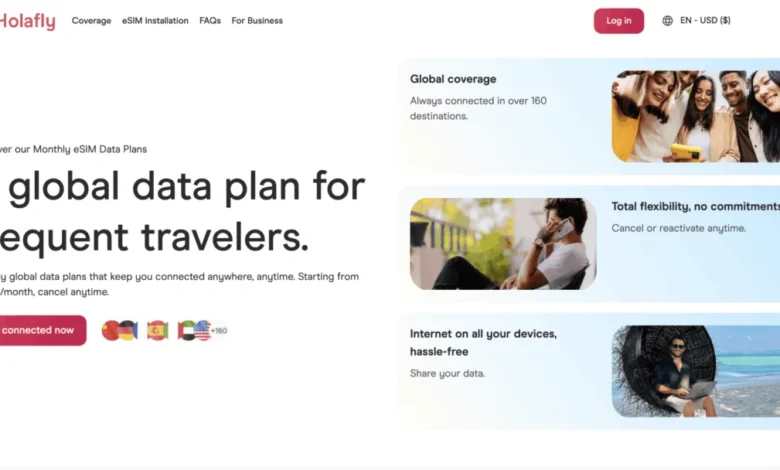
The telecommunications landscape for international travelers has undergone a significant transformation with the introduction of subscription-based eSIM services. As digital nomadism continues to grow—with estimates suggesting there are over 35 million digital nomads globally—the demand for reliable, borderless mobile connectivity has moved from a luxury to a professional necessity. For years, the industry relied on fragmented solutions: physical SIM card swapping, local carrier contracts, or exorbitant international roaming packages offered by home-country providers. The launch of subscription-based eSIM models, such as those pioneered by firms like Holafly, marks a departure from these traditional, high-friction methods.
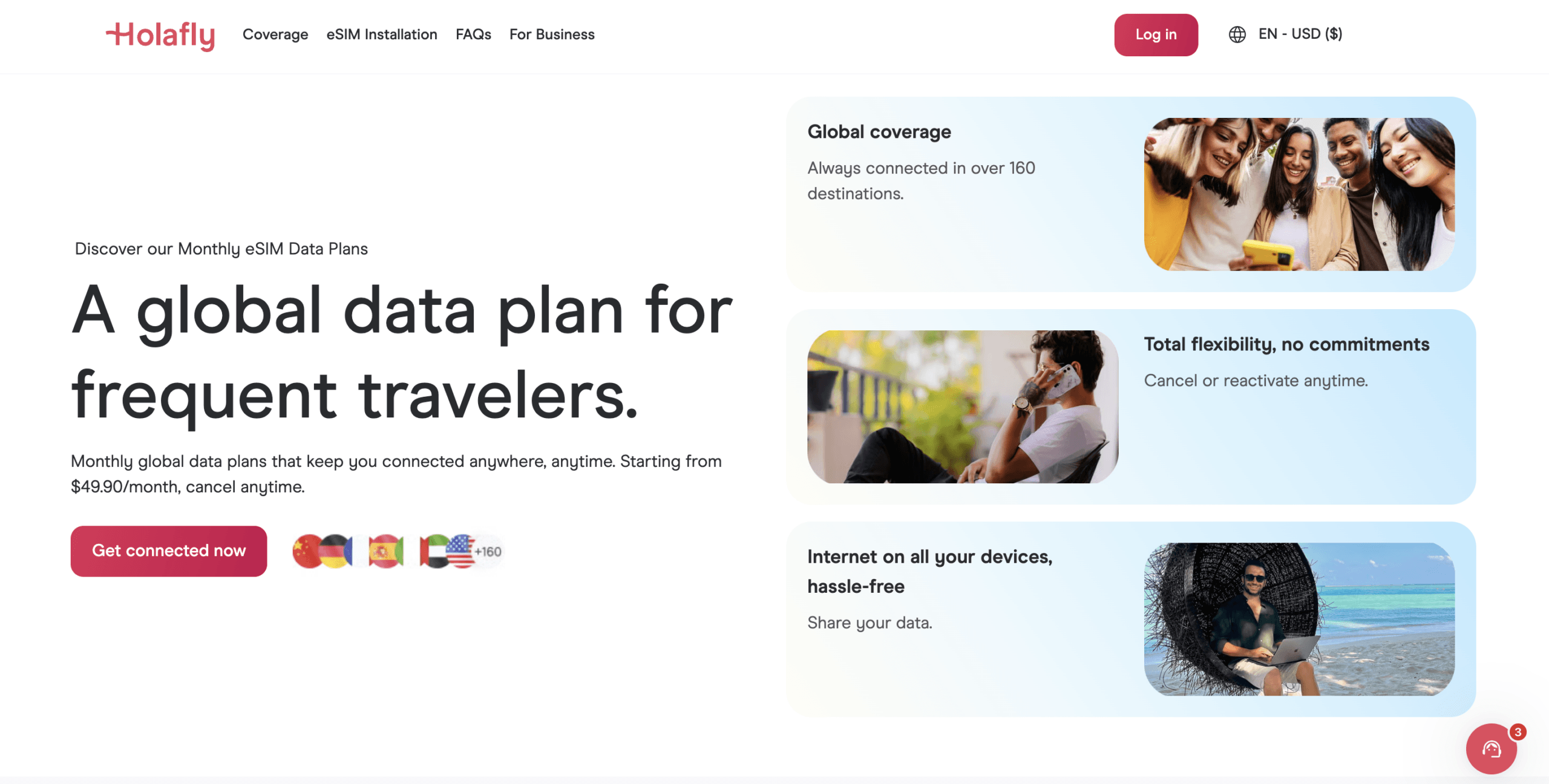
An eSIM, or embedded SIM, is a digital technology integrated directly into the hardware of modern smartphones. Unlike traditional plastic SIM cards, which require physical extraction and replacement, an eSIM allows users to store multiple profiles on a single device. By scanning a QR code or utilizing an in-app installation process, users can switch between carriers or plans in seconds. The recent shift toward “Plans”—an ongoing subscription model that functions across 160+ countries—represents the latest iteration of this technology, aimed at streamlining mobile data for those who frequently cross international borders.
The Chronology of Mobile Roaming Evolution
The history of international mobile connectivity has been characterized by three distinct eras. The first, which lasted through the early 2010s, was defined by the "physical SIM" era, where travelers were forced to locate local kiosks in airports to purchase physical cards, often facing language barriers and restrictive data caps.
The second era, beginning in the late 2010s, introduced the "single-trip eSIM." Companies emerged to provide digital, location-specific data packages. While this removed the need for physical card swapping, it remained a transactional model. A traveler visiting five countries would often need to purchase five separate, temporary data plans, increasing the administrative burden and the risk of connectivity gaps during transit.

The current era, which began in mid-2024 with the introduction of comprehensive global subscription models, seeks to eliminate the transactional friction of the previous decade. By offering a single, persistent digital profile that automatically negotiates local networks upon arrival in a new country, providers are effectively attempting to democratize international roaming, bridging the gap between convenience and cost-efficiency.
Data-Driven Analysis of Cost and Efficiency
To understand the market implications, one must compare the cost structures of the three primary methods of connectivity. Traditional roaming passes from major domestic carriers, particularly in North America, often command prices ranging from $10 to $15 per day, which can equate to $300 per month for a consistent traveler. These plans often feature "throttling" clauses, where high-speed data is curtailed after a small daily allocation.
In contrast, modern subscription-based eSIM services generally offer tiered pricing models. Data suggests that these subscription services, often priced between $50 and $70 per month, provide significantly higher data caps—frequently offering unlimited options—and lower overall overhead.
| Metric | Traditional Roaming Pass | Single-Trip eSIMs | Subscription-Based eSIM |
|---|---|---|---|
| Setup Frequency | Automatic | Per Trip | One-time |
| Monthly Cost | $100 – $300 | Varies | $55 – $65 |
| Data Flexibility | High (but expensive) | Low | High |
| Administrative Load | Low | High | Minimal |
The inclusion of "Always On" backup data features, which provide a small, permanent allowance of connectivity even after a subscription is paused, indicates a strategic shift by providers to ensure brand loyalty. By providing a baseline of 1GB per month, companies are ensuring that the user’s device remains registered to their network, reducing the "churn" associated with traditional prepaid models.
Industry Reactions and Market Implications
Industry analysts observe that the move toward global, subscription-based eSIM plans is a direct response to the "always-connected" expectation of the modern workforce. Telecommunications experts argue that the flexibility of these plans challenges the hegemony of legacy carriers that have long relied on high-margin roaming fees to bolster their quarterly revenue.
"The consumer is no longer willing to pay a premium for the inconvenience of switching SIMs," notes a telecom consultant specializing in mobile infrastructure. "The move toward a ‘one-profile, global-coverage’ model forces incumbents to reconsider their international pricing strategies. We are seeing a shift where the user interface—the app—is becoming just as important as the network coverage itself."
Furthermore, the integration of local phone numbers into these plans—allowing for the reception of SMS verification codes—is a critical development for international professionals. Previously, a major hurdle for global travelers was the inability to use banking or government apps that required two-factor authentication (2FA) via SMS. By providing US, UK, or Canadian virtual numbers, these subscription services have solved one of the most significant technical barriers to truly mobile living.
Strategic Considerations for the Modern User
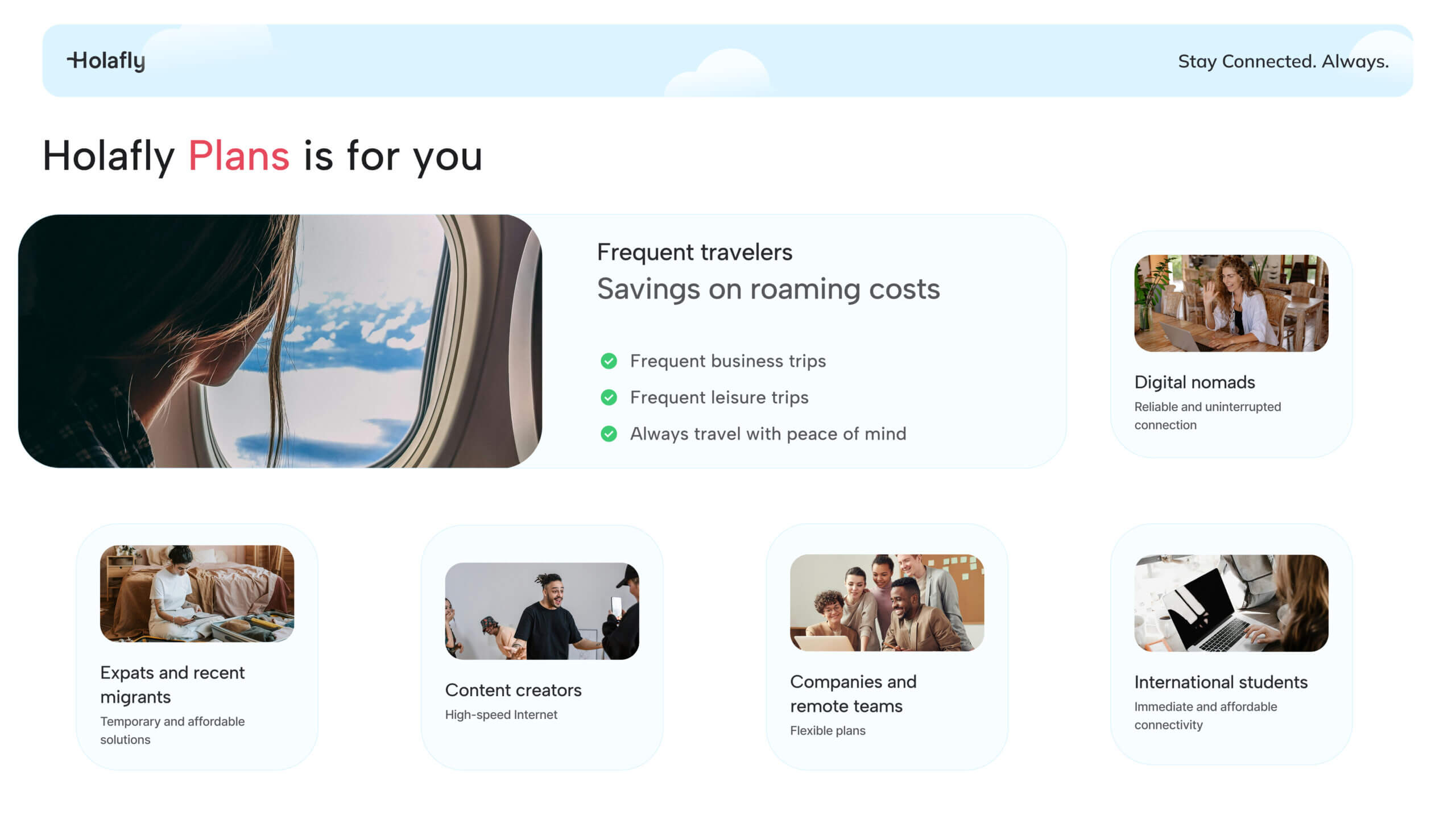
While the convenience of a global subscription model is evident, it is not universally applicable. A fact-based analysis of user needs suggests that travelers should weigh three primary factors: duration, destination frequency, and data consumption patterns.
- Duration: For the infrequent traveler, a single-destination eSIM remains the most cost-effective solution. The overhead of a monthly subscription is only amortized when the user remains mobile for more than three weeks out of every month.
- Connectivity Needs: Users who rely on heavy bandwidth—such as video editors, livestreamers, or those participating in continuous video conferencing—benefit disproportionately from the unlimited data tiers, as these avoid the common pitfalls of "overage" charges found in legacy roaming plans.
- Hardware Compatibility: A critical constraint remains device compatibility. While most modern flagship smartphones (from the iPhone XR onwards, and various Android models) support eSIMs, older devices and certain regional variants (particularly those from mainland China) may lack the hardware or software support necessary for seamless eSIM deployment.
Broader Impact on International Travel Logistics
The normalization of these eSIM plans contributes to the overall "frictionless travel" trend. By reducing the time spent navigating airport kiosks or dealing with technical support for local SIM cards, travelers are reallocating their time toward more productive activities.
From a broader economic perspective, the availability of affordable, high-speed, and reliable global data is a key enabler for the digital nomad economy in emerging markets. Countries that once struggled to attract long-term remote workers due to unreliable or expensive local data are now seeing an influx of digital residents who bring their own connectivity with them.
However, the rapid adoption of this technology also necessitates vigilance regarding data security and privacy. Users are encouraged to utilize reputable, established providers to ensure that their digital footprints—which are now concentrated within a single service provider’s ecosystem—are protected by robust encryption and adherence to international data privacy regulations.
Looking Ahead
As the telecommunications industry continues to mature, it is likely that "Plan-based" roaming will become the standard rather than the exception. The competition between service providers will likely center on three areas: latency reduction (speed), geographic coverage (ensuring rural areas in developing nations are included), and the integration of value-added services such as VPNs or cloud storage.
For the traveler, the implications are clear: the era of hunting for plastic SIM cards in foreign terminals is rapidly closing. In its place, a more efficient, digital-first infrastructure is emerging, enabling a level of global mobility that was previously reserved for those with the budget for corporate-level international plans. Whether for the casual vacationer or the permanent digital nomad, the transition to subscription-based eSIM technology is one of the most significant logistical advancements in the history of modern travel.