The Highs and Lows of the Centennial State: An In-Depth Look at the Economic and Lifestyle Landscape of Living in Colorado

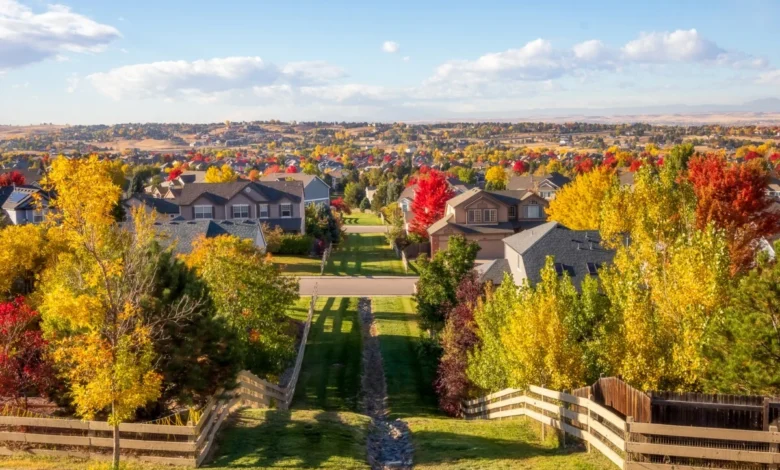
Colorado has solidified its reputation as one of the most desirable destinations in the United States, currently serving as home to approximately 5,773,714 residents. Known as the "Centennial State," it offers a unique synthesis of rugged natural beauty, a high-octane outdoor culture, and a burgeoning professional sector that spans aerospace, bioscience, and renewable energy. However, as the state’s popularity has surged over the last two decades, it has faced the inevitable growing pains associated with rapid urbanization. Prospective residents must weigh the state’s world-class amenities against a rising cost of living, environmental vulnerabilities, and infrastructure challenges that have become more pronounced in recent years.
A Demographic and Economic Overview of the Centennial State
The trajectory of Colorado’s growth is a study in modern American migration. While the state was historically rooted in mining and agriculture, the late 20th and early 21st centuries saw a pivot toward a diversified, high-tech economy. According to data from the United States Census Bureau, Colorado’s population continues to grow, albeit at a more stabilized pace compared to the "boom" years of the 2010s. The state’s largest urban centers—Denver, Colorado Springs, and Aurora—serve as the primary engines of this growth, attracting a workforce that is among the most highly educated in the nation.
Economically, Colorado remains a powerhouse in the Mountain West. The state has cultivated a "Silicon Mountain" identity, with Denver and Boulder emerging as major hubs for tech startups and established giants like Google and Amazon. The aerospace industry also maintains a massive footprint here, with companies such as Ball Aerospace, Lockheed Martin, and United Launch Alliance leveraging the state’s strategic location and specialized labor pool. Despite these strengths, the state’s economic success has created a widening gap in housing affordability, a factor that is increasingly central to the conversation about the long-term viability of living in Colorado.
The Real Estate Market: A Significant Barrier to Entry
Perhaps the most daunting challenge for those looking to relocate to Colorado is the real estate landscape. Data from the Redfin Data Center indicates that the median home sale price in Colorado currently sits at approximately $604,300. This figure stands in stark contrast to the national median of roughly $436,705, representing a nearly 40% premium for the privilege of Colorado residency.
The rental market offers little relief, with the average monthly rent hovering around $1,713. In high-demand enclaves like Boulder or the Cherry Creek neighborhood of Denver, these costs can escalate significantly. A recent economic analysis suggested that a household would need an annual income exceeding $127,808 to comfortably afford a first home in the Denver metropolitan area. While secondary markets like Colorado Springs or Fort Collins have historically provided more affordable alternatives, even these areas have seen double-digit price appreciation over the last five years, squeezing out first-time buyers and service-sector workers.
The Call of the Wild: Unmatched Access to Nature
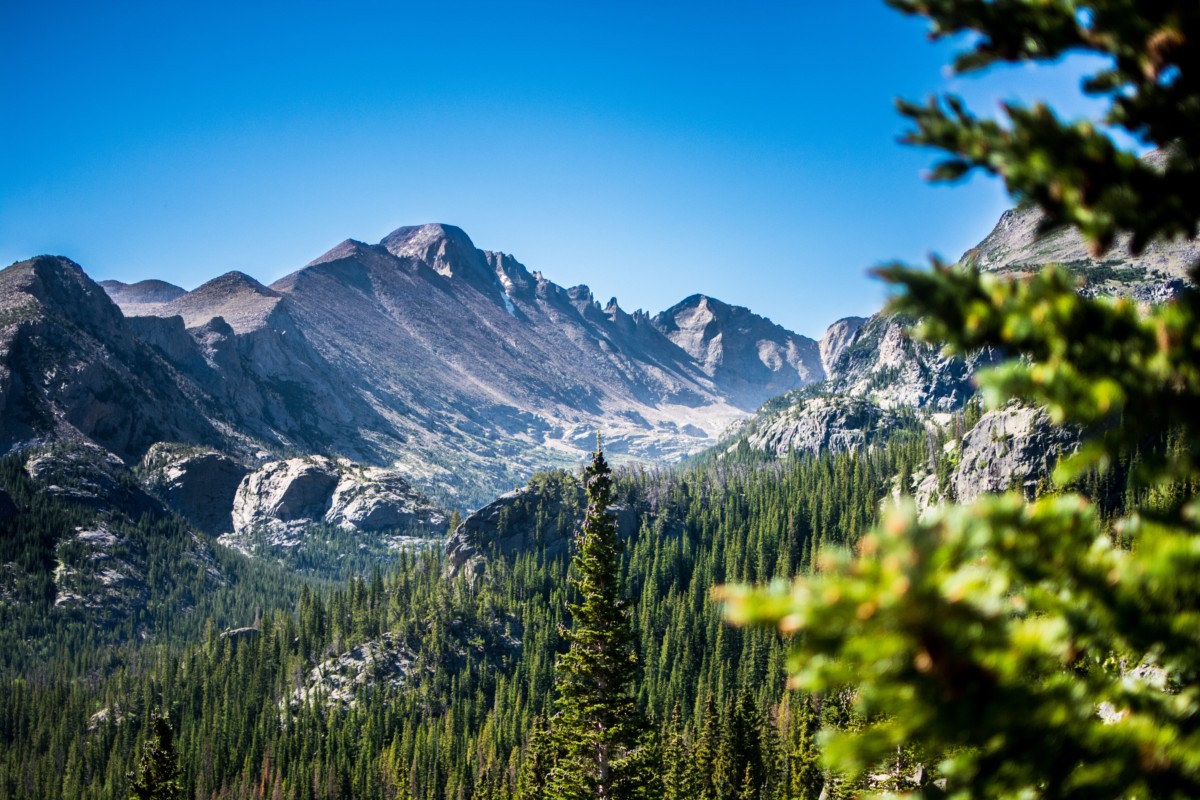
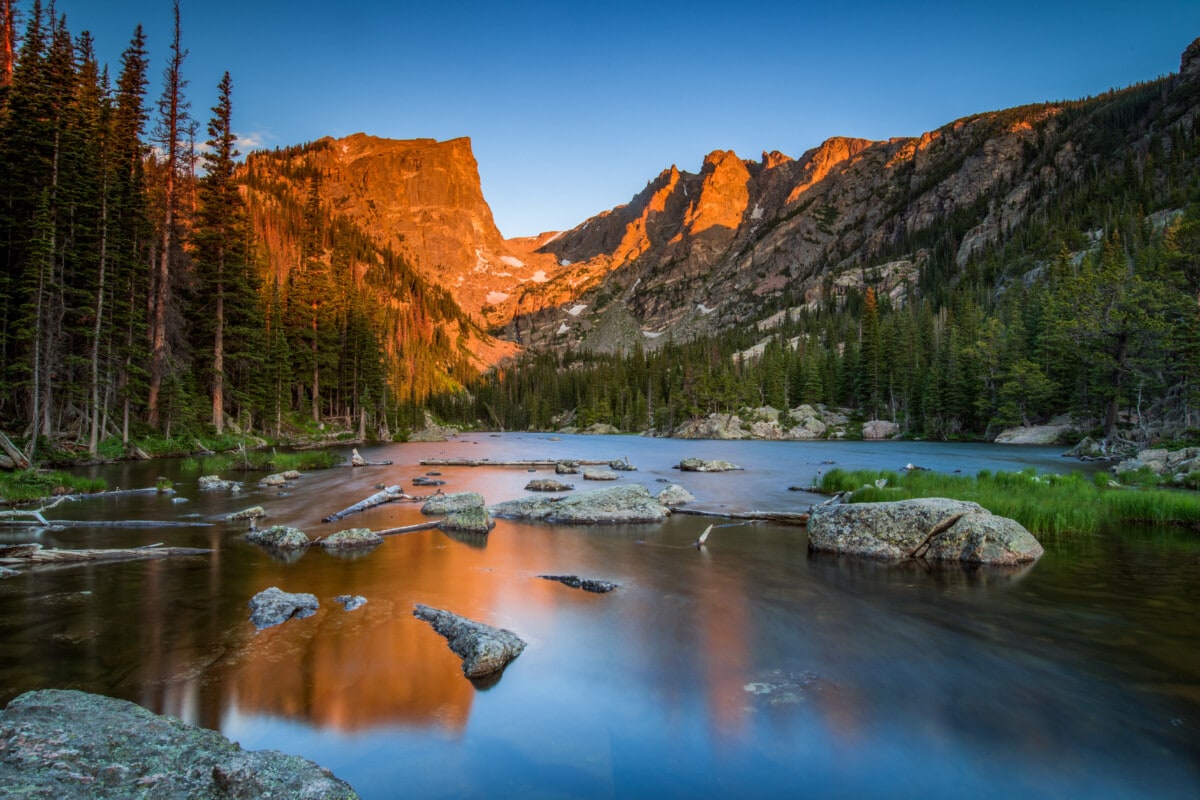
For many, the high cost of living is a trade-off for what is arguably the best access to outdoor recreation in the lower 48 states. Colorado’s geography is dominated by the Southern Rocky Mountains, providing a playground for skiing, hiking, mountain biking, and white-water rafting. The state boasts 58 mountain peaks that exceed 14,000 feet—known locally as "14ers"—which serve as a rite of passage for mountaineers.
The federal government manages a significant portion of Colorado’s land, including four distinct National Parks:
- Rocky Mountain National Park: Famous for its tundra landscapes and the Trail Ridge Road.
- Mesa Verde National Park: A UNESCO World Heritage site preserving Ancestral Puebloan cliff dwellings.
- Great Sand Dunes National Park and Preserve: Home to the tallest dunes in North America.
- Black Canyon of the Gunnison National Park: Known for some of the steepest cliffs and oldest rock formations in the world.
Beyond the national parks, the state’s 42 state parks and over 25 world-renowned ski resorts, such as Vail, Aspen, and Telluride, contribute to an outdoor economy that generates billions of dollars in annual revenue and supports hundreds of thousands of jobs.
Health, Culture, and the "Mile High" Lifestyle
Colorado consistently ranks as one of the healthiest states in the country, often boasting the lowest obesity rates in the U.S. This is attributed to a culture that prioritizes physical activity and a climate that offers over 300 days of sunshine annually. The lifestyle is complemented by a vibrant culinary and beverage scene. Colorado is a pioneer of the craft brewery movement, housing one of the highest numbers of breweries per capita. Cities like Denver have also evolved into culinary destinations, featuring a mix of James Beard Award-winning restaurants and a deep-seated love for regional specialties like Colorado green chili.
The professional sports scene further bolsters the state’s appeal. Denver is one of the few U.S. cities with teams in all five major professional sports leagues: the Broncos (NFL), Nuggets (NBA), Rockies (MLB), Avalanche (NHL), and Rapids (MLS). The presence of these teams, along with iconic venues like Red Rocks Amphitheatre, ensures a constant stream of high-level entertainment.
Environmental Hurdles: Water Scarcity and Wildfire Risks
However, the "Colorado Dream" is increasingly shadowed by environmental realities. As a semi-arid state, Colorado is on the front lines of the Western water crisis. The state relies heavily on winter snowpack to fill its reservoirs, but prolonged droughts and a warming climate have led to dwindling supplies in the Colorado River Basin. This has significant implications for urban development and the state’s agricultural sector, leading to stricter water conservation mandates and rising utility costs for homeowners.
Furthermore, the risk of wildfires has become a perennial concern. The 2021 Marshall Fire, which destroyed over 1,000 homes in suburban Boulder County, served as a grim reminder that wildfire risk is no longer confined to remote mountain forests but can threaten densely populated suburban areas. Smoke from regional fires frequently impacts air quality during the summer months, posing health risks and obscuring the very mountain views that draw people to the state.
Infrastructure and the Challenges of Growth
As the population has expanded, Colorado’s infrastructure has struggled to keep pace. The "Front Range"—the corridor stretching from Fort Collins to Pueblo—experiences significant traffic congestion. Interstate 70, the primary artery connecting Denver to the mountain resorts, is notorious for "ski traffic," where weekend commutes that should take 90 minutes can stretch into four or five hours.
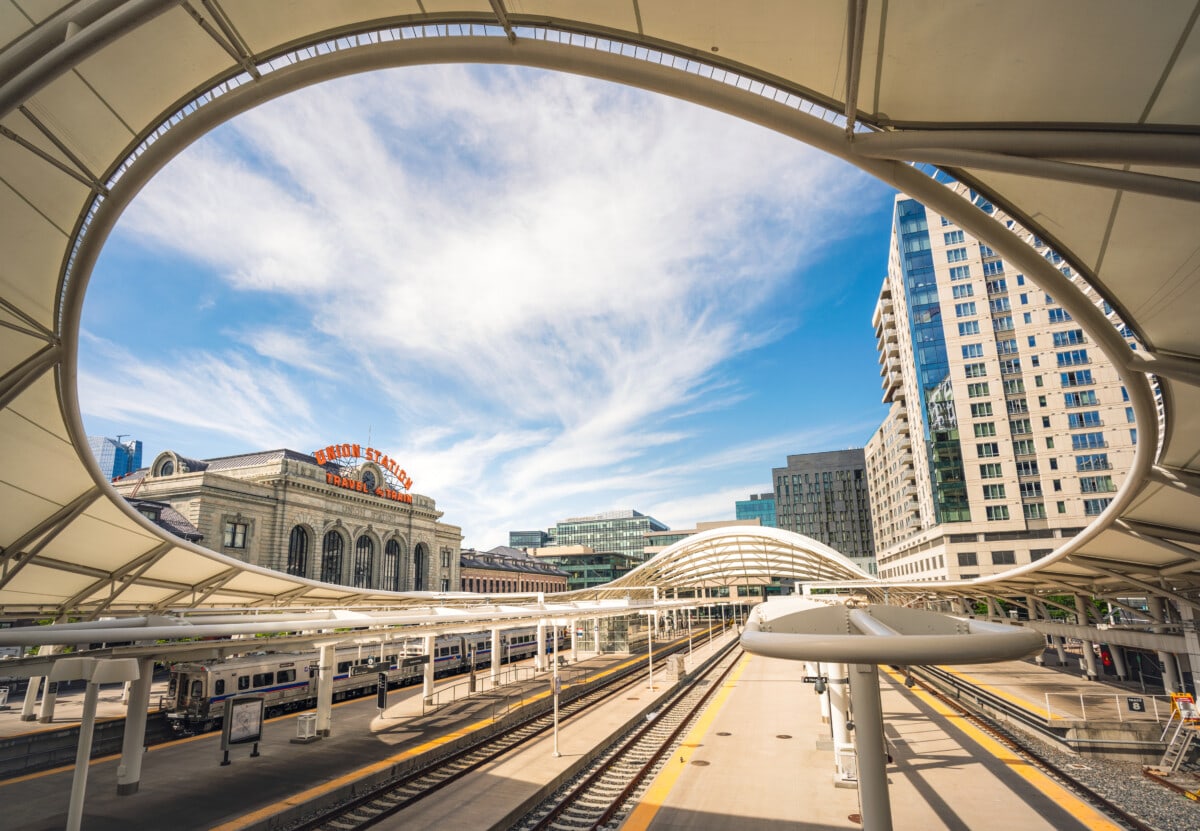
While the Regional Transportation District (RTD) in Denver has invested in an expansive light rail and commuter rail system, the state remains heavily car-dependent. For many residents, the lack of robust public transit options between major cities and mountain communities remains a significant drawback, contributing to both personal frustration and environmental degradation.
The Altitude Adjustment: A Physiological Factor
A less-discussed but vital consideration for newcomers is the physiological impact of high-altitude living. Denver sits at 5,280 feet, while mountain communities can exceed 9,000 feet. The thinner air means less oxygen, which can lead to altitude sickness, dehydration, and increased sensitivity to alcohol for those not acclimated. Long-term residents generally adapt, but the physical toll of the altitude is a permanent factor of life in the Centennial State, affecting everything from athletic performance to how long it takes to boil water or bake a cake.
Chronology of Development and Future Implications
The evolution of Colorado can be viewed through several distinct eras:
- The 1850s Gold Rush: Established the initial settlement patterns and the founding of Denver.
- The Mid-20th Century: The arrival of federal agencies and the aerospace industry during the Cold War.
- The 1990s-2000s: The "Telecommunications Boom" and the revitalization of downtown Denver.
- 2012-Present: The legalization of cannabis and the subsequent "Green Rush," which brought a massive influx of tax revenue and new residents.
Looking forward, Colorado’s primary challenge will be balancing its growth with its resources. The state government is currently focused on "smart growth" initiatives, which include increasing housing density near transit hubs and investing in forest health to mitigate fire risks.
Conclusion: A State of Trade-offs
In summary, Colorado remains a premier location for those seeking a high-energy, health-conscious lifestyle and a robust job market in future-facing industries. Its natural scenery is objectively stunning, and its cultural offerings are increasingly sophisticated. However, the state is no longer the "hidden gem" or the affordable alternative to coastal hubs that it once was. Prospective residents must be prepared for a competitive housing market, environmental uncertainties, and the logistical hurdles of a state that is rapidly outgrowing its infrastructure. For those who prioritize the mountains and the sun above all else, Colorado is a paradise; for those seeking affordability and ease of living, the Centennial State requires a more calculated approach.