Decoding the Raleigh Real Estate Dilemma: A Comprehensive Analysis of Renting versus Buying in North Carolina’s Capital City

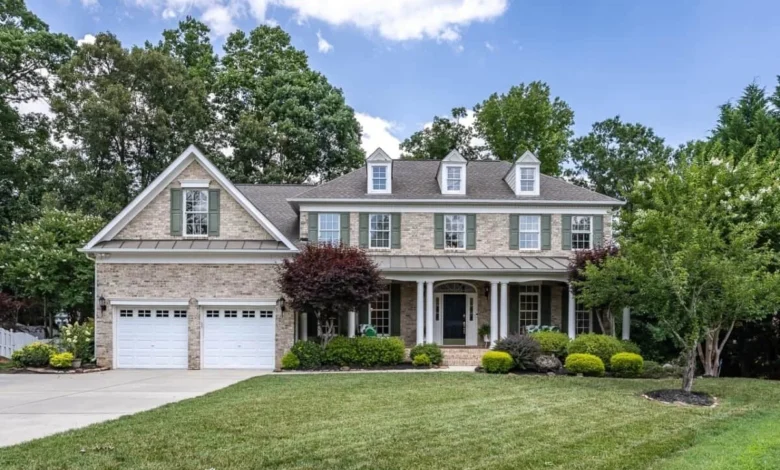
Raleigh, North Carolina, frequently heralded as the "City of Oaks," has transitioned from a quiet state capital into a global epicenter for technology, research, and high-quality urban living. As the anchor of the Research Triangle Park (RTP), the city continues to draw a steady influx of professionals from high-cost coastal metros, creating a complex real estate environment that forces newcomers and long-term residents alike to grapple with a fundamental question: is it better to rent or buy? With 2026 approaching, the decision-making process is no longer merely a matter of preference but a strategic financial calculation influenced by fluctuating interest rates, inventory shortages, and a rapidly evolving regional economy.
The Economic Landscape of the Research Triangle
To understand the current state of the Raleigh housing market, one must first look at the broader economic catalysts driving demand. Raleigh’s growth is anchored by its proximity to North Carolina State University, Duke University, and the University of North Carolina at Chapel Hill. This "Triangle" has fostered one of the most educated workforces in the United States, attracting major investments from tech giants such as Apple, Google, and Meta.
Apple’s commitment to a $1 billion campus in the region, expected to create thousands of high-paying jobs, has acted as a primary driver for property value appreciation. This "tech effect" has created a demographic shift, bringing in residents with higher-than-average purchasing power, which in turn puts upward pressure on both home prices and monthly rents. Consequently, the Raleigh-Cary metro area has consistently ranked among the fastest-growing regions in the country, with a population growth rate that significantly outpaces the national average.
The Case for Homeownership: Equity and Long-Term Stability
For many, the primary allure of buying a home in Raleigh is the opportunity for wealth accumulation through equity. In a market that has shown historical resilience, homeownership serves as a forced savings vehicle. As residents make monthly mortgage payments, they transition from paying a landlord to increasing their own net worth.
Financial experts point to the "growth in the area" as a primary reason for optimism among buyers. The expansion is not limited to Raleigh’s downtown core; satellite towns such as Apex, Cary, Wake Forest, and Holly Springs have seen explosive development. These areas offer a blend of Southern charm and Northern-style infrastructure, making them highly desirable for families. Whether a buyer chooses a historic bungalow in Five Points or a contemporary new build in the outskirts, the scarcity of land in prime locations suggests that long-term appreciation remains a likely outcome.
Furthermore, the federal and state tax codes continue to offer incentives for homeowners. Eligible residents can often deduct mortgage interest and property taxes from their federal taxable income. In North Carolina, additional benefits may include tax credits for energy-efficient upgrades, which are increasingly popular in Raleigh’s modern construction sector.
The Barriers to Entry: Interest Rates and Inventory
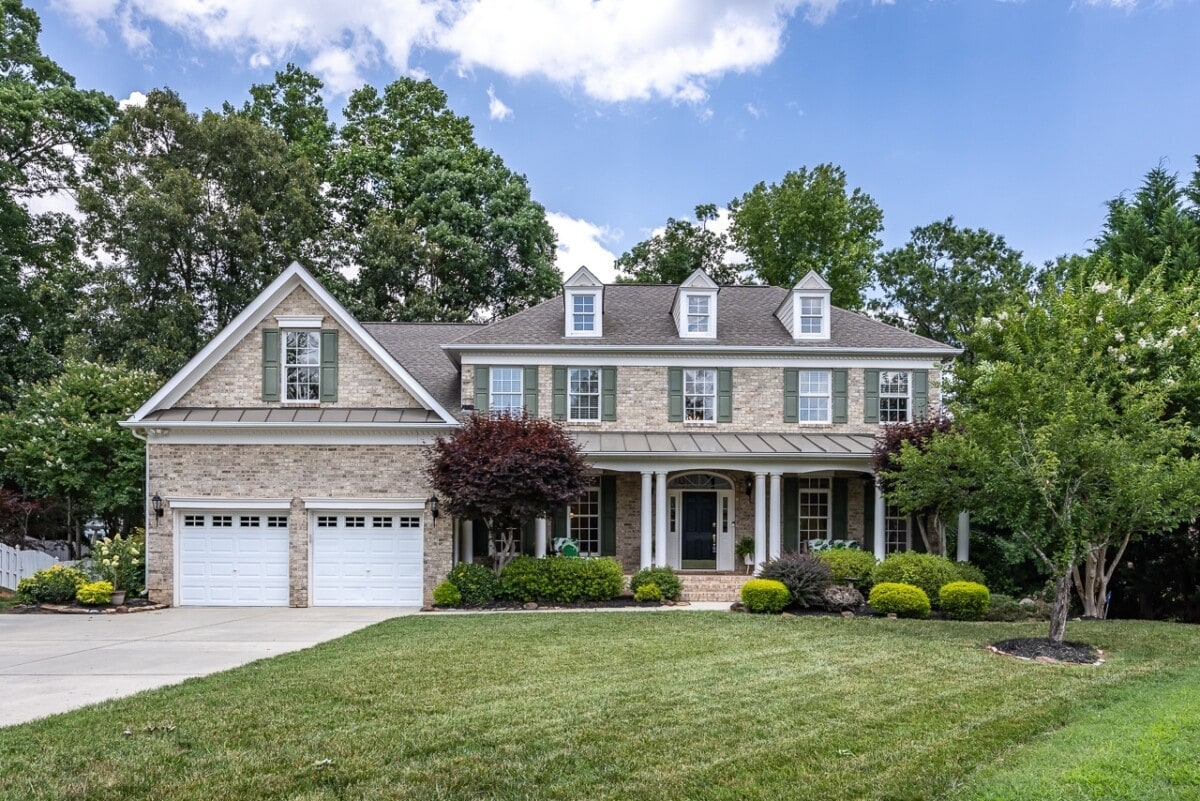
Despite the benefits, the path to homeownership in Raleigh is currently fraught with obstacles. Chief among these is the "locked-in" effect of interest rates. Many current homeowners are reluctant to sell because they are holding mortgages with rates in the 2.5% to 4% range. Trading those in for a new mortgage at 6% or 7% represents a significant financial hurdle. This lack of "move-up" inventory has created a bottleneck, leaving first-time buyers to compete for a limited pool of available homes.
Market data indicates that when well-priced, high-quality homes hit the market in neighborhoods like North Hills or Oakwood, they frequently trigger bidding wars. In many cases, homes go under contract within 48 to 72 hours, often at prices well above the initial asking price. This environment requires buyers to be exceptionally prepared, often necessitating pre-approval letters, substantial "due diligence" fees—a unique feature of North Carolina real estate transactions—and a willingness to waive certain contingencies.
The Case for Renting: Flexibility and Market Observation
In response to the high cost of entry for buying, renting has become a strategic choice for many, particularly those new to the region. Raleigh’s rental market offers a variety of options, from luxury high-rise apartments in the Warehouse District to single-family suburban homes.
The primary advantage of renting is the ability to "test-drive" the city. Raleigh is a collection of distinct micro-markets, each with its own culture and commute profile. Renting for six to twelve months allows a newcomer to understand the traffic patterns of I-40 or the Beltline and determine which school district best fits their needs without the long-term commitment of a 30-year mortgage.
Furthermore, renting mitigates the "hidden costs" of homeownership. The "1% rule" of real estate suggests that homeowners should expect to spend roughly 1% of their home’s value annually on maintenance. In a city like Raleigh, where humidity can take a toll on HVAC systems and roofing, these costs are non-trivial. For renters, the financial responsibility for repairs remains with the landlord, providing a level of budget predictability that homeownership lacks.
The Risks of the Rental Market: Inflation and Inexperience
However, the rental market is not without its perils. The same inventory shortage affecting buyers is also squeezing the rental sector. As more people are priced out of buying, they remain in the rental pool, driving up prices. In some cases, the monthly cost of a two-bedroom apartment in a prime Raleigh location can exceed the monthly mortgage payment of a mid-sized home purchased just five years ago.
A burgeoning concern in the Raleigh market is the rise of the "accidental landlord." These are homeowners who may have moved but chose not to sell their previous residence, opting instead to rent it out. While this adds to the rental inventory, these landlords often lack the experience or resources of professional property management firms. This can lead to delays in repairs or misunderstandings regarding tenant rights and responsibilities.
Additionally, renters face the perpetual risk of lease non-renewal or significant rent hikes. Unlike a fixed-rate mortgage, which stabilizes housing costs for decades, a lease is subject to the whims of the market and the landlord’s discretion, offering little protection against the inflationary pressures currently affecting the U.S. economy.
Financial Readiness: The Expert Consensus
Financial advisors emphasize that the decision to buy or rent in Raleigh must be rooted in individual financial health rather than market speculation. Melinda Golde, a prominent director of mortgage banking, suggests that in the current climate, personal readiness is the ultimate deciding factor.
"Buyers should have a steady income, manageable debt, and enough savings to cover upfront costs plus several months of expenses," Golde notes. She further advises that potential homeowners should plan to stay in their property for at least five to seven years. This duration is typically necessary to recoup the closing costs and the high "due diligence" fees prevalent in the North Carolina market.
Joseph P. Kalmanovitz, a head of financial planning, adds a layer of caution regarding market corrections. He notes that while Raleigh’s economy is strong, buyers with low down payments could find themselves "underwater"—owing more than the home is worth—if there is a temporary dip in prices. "Refinancing remains an option if interest rates decline," Kalmanovitz explains, "but the protection afforded against rent increases by locking in a fixed rate is a powerful hedge against inflation."
A Chronology of the Raleigh Market (2020–2026)
To understand the current 2026 outlook, one must look at the trajectory of the last several years:
- 2020–2021: The pandemic-induced shift to remote work saw an unprecedented surge in relocations to Raleigh. Interest rates hit historic lows, leading to a massive spike in home prices and a "buying frenzy."
- 2022–2023: The Federal Reserve’s aggressive interest rate hikes to combat inflation slowed the pace of sales but did not lead to a significant drop in prices due to the persistent inventory shortage.
- 2024–2025: The market entered a "wait-and-see" period. Inventory remained tight, and "Build-to-Rent" communities began to emerge as a significant trend to meet the demand for single-family living without the commitment of a mortgage.
- 2026 (Current State): Raleigh has reached a plateau of "high-cost stability." While the explosive price growth of the early 2020s has moderated, the floor for entry-level housing has risen permanently, making the rent-vs-buy decision more critical than ever.
Broader Implications and Regional Impact
The housing dilemma in Raleigh has broader implications for the region’s urban planning. The City Council has been forced to address "missing middle" housing—duplexes, townhomes, and accessory dwelling units—to increase density and provide more affordable options. The success of these initiatives will largely determine whether Raleigh remains an accessible city for the workforce that fuels its tech and academic engines.
For the individual, the choice remains a balance of lifestyle and ledger. Buying offers the promise of a fixed-cost future and a stake in one of America’s most promising economies. Renting offers the agility to navigate a shifting landscape and the freedom from the burdens of property maintenance. As Raleigh continues its ascent as a premier American city, the answer to the rent-versus-buy question will continue to depend on one’s willingness to bet on the long-term trajectory of the "City of Oaks."