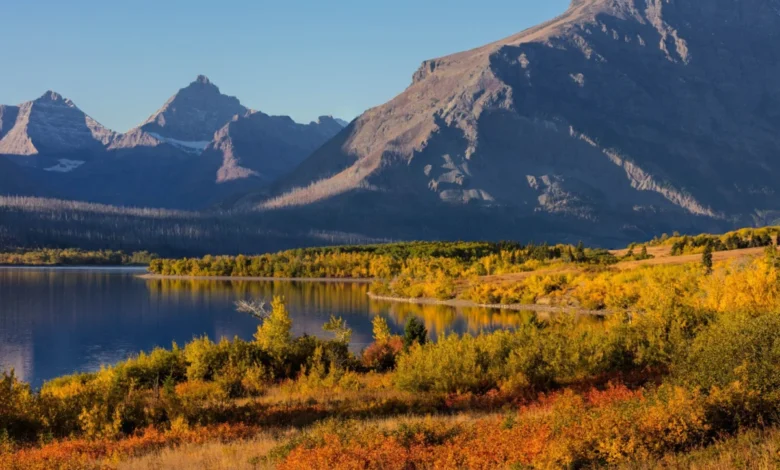
The transformation of America’s federal public lands during the autumn months represents one of the most significant seasonal shifts in the nation’s tourism landscape. As the sweltering heat of July and August recedes, millions of acres across the United States undergo a dramatic ecological change. From the jagged granite peaks of the West to the rugged coastline of the Atlantic, national parks transition from bustling summer recreation hubs into quieter, cooler environments defined by shifting foliage, altered wildlife patterns, and lower ambient temperatures.

According to data compiled by the National Park Service (NPS), autumn serves as a critical shoulder season. While visitation figures typically peak between June and August—often straining local infrastructure, parking facilities, and lodging capacities—September and October offer a strategic window for travelers seeking a more contemplative and immersive encounter with nature. However, the modern surge in "leaf-peeping" tourism means that autumn is no longer the quiet secret it once was. Parks that traditionally saw sharp declines in foot traffic after Labor Day now experience secondary surges, driven by travelers eager to witness the botanical phenomenon of deciduous leaves changing color.
The Science and Geography of Fall Foliage in Federal Lands
The physiological process behind autumn foliage is well-documented by botanists and forestry services. As daylight shortens and temperatures cool in late summer, deciduous trees—such as maples, aspens, birches, and oaks—begin to shut down their food production processes. Chlorophyll, the green pigment that dominates spring and summer leaves, breaks down and degrades, revealing underlying pigments that were previously masked. Carotenoids produce brilliant yellows and oranges, while anthocyanins, which develop in response to bright autumn sunlight and cool nights, generate vibrant reds and purples.

This botanical timeline varies significantly depending on latitude, elevation, and regional climate patterns. The chronological progression of autumn across America’s national park system typically begins in the high-elevation zones of the Rocky Mountains and the far northern latitudes in early September, before sweeping southward and toward lower elevations through October and November.
In the high country of Colorado’s Rocky Mountain National Park, as well as Grand Teton National Park in Wyoming, the change is swift and dramatic. Groves of quaking aspens transform entire mountain slopes into shimmering tapestries of gold against deep evergreen forests and snow-dusted peaks. These high-altitude transformations often peak by mid-to-late September, offering a brief, intense window for hikers and photographers.

Conversely, parks situated at lower elevations or closer to the Atlantic seaboard experience a more protracted timeline. Acadia National Park in Maine, renowned for its dramatic coastal headlands and dense forests, reaches peak color variation typically between mid-to-late October. Here, sugar maples and red oaks frame the granite coastline, creating a stark visual contrast between vibrant terrestrial flora and the deep blue of the Atlantic Ocean.
Chronology of the Autumn Tourism Shift
The operational calendar for the National Park Service reflects a carefully managed transition between peak summer demand and winter conservation protocols. Understanding this timeline is essential for travelers navigating the park system during the fall months.

- Early September (Post-Labor Day): The official end of the peak summer season. Public schools and universities resume classes, leading to an immediate drop in family travel and overall visitor volume. Weather conditions remain favorable in most northern and high-altitude parks, though morning temperatures begin to dip toward freezing.
- Mid-to-Late September: Peak foliage migration begins in earnest across northern latitudes (Maine, Minnesota, Michigan) and high-elevation western ranges (Colorado, Wyoming, Utah). Park concessionaires begin winding down certain summer-only services, though shuttle buses and visitor centers generally maintain regular operating hours.
- October: The height of autumn tourism in iconic destinations such as Acadia, Shenandoah, and the Great Smoky Mountains. Traffic congestion along scenic corridors—such as Skyline Drive and the Blue Ridge Parkway—often peaks during autumn weekends. Meanwhile, western parks like Yosemite and Zion experience comfortable daytime hiking temperatures, drawing outdoor enthusiasts seeking relief from summer heat.
- Late October to November: Foliage season concludes across the northern tier and moves southward. Seasonal road closures begin to take effect in high-elevation areas vulnerable to early snowfall, particularly in Glacier National Park (Going-to-the-Sun Road) and Yellowstone, where winter weather preparations commence.
Supporting Data and Visitor Demographics
Recent tourism analytics illustrate the growing economic and logistical importance of the autumn shoulder season. Prior to the COVID-19 pandemic, shoulder-season travel to national parks was largely confined to retirees and flexible remote workers. However, shifts in employment flexibility have permanently altered these demographics.
Data from the National Park Service’s Visitor Use Statistics Office indicates that shoulder-season visitation has grown by roughly 15 to 20 percent over the past decade across top-tier parks. For example, Acadia National Park reported hosting more than 4 million visitors annually in recent years, with October consistently recording some of the park’s highest daily traffic congestion rates on Cadillac Mountain and the Park Loop Road.

Similarly, Great Smoky Mountains National Park—the most visited national park in the United States, straddling North Carolina and Tennessee—regularly experiences massive vehicular influxes in October. The economic impact on gateway communities is substantial; local lodging providers, restaurants, and outdoor gear outfitters rely heavily on the autumn influx to sustain operations through the subsequent winter slump.
Official Responses and Park Management Policies
Park superintendents and conservation officials have increasingly had to adapt management strategies to handle autumn visitor spikes. While summer crowds are managed primarily through timed-entry reservation systems and shuttle mandates, autumn brings unique challenges related to sudden weather shifts, wildlife behavior, and infrastructure transitions.

In interviews and public safety announcements, National Park Service representatives frequently emphasize that shoulder-season travel requires a higher degree of self-reliance. As permanent staff transition from summer seasonal positions to winter maintenance frameworks, visitor centers may operate on reduced hours, and medical or rescue response times can be impacted by staff reductions.
Furthermore, autumn coincides with critical wildlife biological cycles that require strict adherence to park regulations. In parks like Yellowstone and Grand Teton, autumn marks the annual ungulate mating season, or rut. Bull elk and moose become highly active, territorial, and unpredictable. Park officials issue ongoing advisories mandating safe viewing distances—typically a minimum of 25 yards for most wildlife and 100 yards for bears and wolves—to prevent human-wildlife conflicts.

"The landscape is changing, and so are the animals," notes an interpretive ranger at Rocky Mountain National Park. "Elk are bugling, bears are hyperphagic—eating constantly to prepare for winter hibernation—and visitors need to respect that these ecosystems are preparing for a harsh season. Safety is not seasonal; it requires constant vigilance regardless of how peaceful the scenery looks."
Environmental and Economic Implications
The rise of autumn tourism carries both positive economic outcomes and notable ecological challenges for public lands.

On the economic front, extended tourism seasons provide vital financial stability for gateway communities. Small businesses that would otherwise close or lay off staff after Labor Day can maintain year-round employment models. This sustained economic activity helps stabilize local tax bases and supports regional infrastructure development.
Ecologically, however, high visitor volumes during sensitive ecological periods can exacerbate environmental degradation. Soil compaction along popular hiking trails, improper disposal of waste, and vehicular emissions along congested scenic byways place stress on local flora and fauna. Additionally, the increasing frequency of prolonged drought conditions across the American West has heightened wildfire risks well into the autumn months, occasionally forcing sudden park closures, fire bans, and air quality advisories that disrupt travel plans.

To mitigate these impacts, conservation groups and federal land managers continue to promote "Leave No Trace" principles, encouraging visitors to plan ahead, respect fire bans, pack out all waste, and remain on designated trails to protect fragile alpine vegetation and root systems.
Navigating Reservations and Park Logistics
Travelers planning autumn excursions must navigate a complex patchwork of reservation systems implemented by federal and state land agencies. While the abolition of summer crowds might imply spontaneous travel, modern park management often requires advanced planning even during the shoulder season.

- Timed-Entry Permits: Parks such as Rocky Mountain and Acadia utilize reservation systems to control vehicular flow during peak foliage hours. Securing these permits often requires booking weeks or months in advance via platforms like Recreation.gov.
- Campground and Lodge Availability: Concession-operated lodges and front-country campgrounds within iconic parks frequently book out months ahead for autumn weekends. Visitors are advised to monitor cancellation windows or explore dispersed camping regulations on adjacent U.S. Forest Service or Bureau of Land Management (BLM) lands where permitted.
- Weather Preparedness: Autumn weather in mountainous and coastal regions is notoriously volatile. Sudden blizzards in the Rockies or heavy coastal storms in Maine can materialize within hours, necessitating layered clothing, emergency vehicle gear, and continuous monitoring of official park websites for real-time road and trail status updates.
As public interest in outdoor recreation continues to evolve, America’s national parks remain dynamic living laboratories and recreational sanctuaries. The autumn season offers a profound window into these natural systems, balancing the quiet resilience of the wilderness with the vibrant, fleeting beauty of seasonal change.