The Essential Human Skillset: Why Empathy and Communication Are the New Currency in the Age of Artificial Intelligence

As the global economy undergoes a profound transformation driven by rapid advancements in generative artificial intelligence and machine learning, the definition of workforce readiness is being rewritten. While technical proficiency in coding, data analysis, and digital literacy remains foundational, a critical shift is occurring in the labor market. According to the World Economic Forum’s Future of Jobs Report 2025, the most highly sought-after capabilities for the coming decade are not those that can be automated, but those that are quintessentially human: empathy, sophisticated communication, complex leadership, and emotional intelligence.
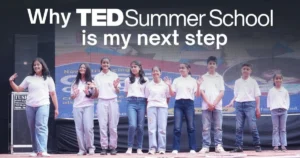
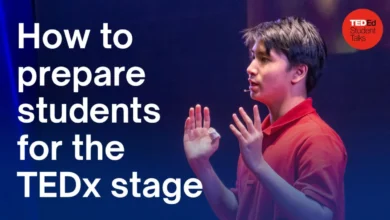
This paradigm shift has placed a renewed spotlight on the educational sector. Traditional pedagogical models, which have historically prioritized rote memorization and standardized testing, are increasingly being challenged to integrate soft-skill development into their core curricula. Programs such as TED-Ed Student Talks have emerged as vital laboratories for this transition, providing students between the ages of 6 and 18 with a structured environment to cultivate the competencies that will define their future professional and civic lives.
The Evolution of Student-Led Advocacy and Skill Development
The TED-Ed Student Talks initiative is not merely a public speaking platform; it is a systematic pedagogical framework designed to mirror the challenges of professional communication. The program, which has grown significantly over the last decade, operates on the principle that the ability to articulate an idea is as important as the idea itself.
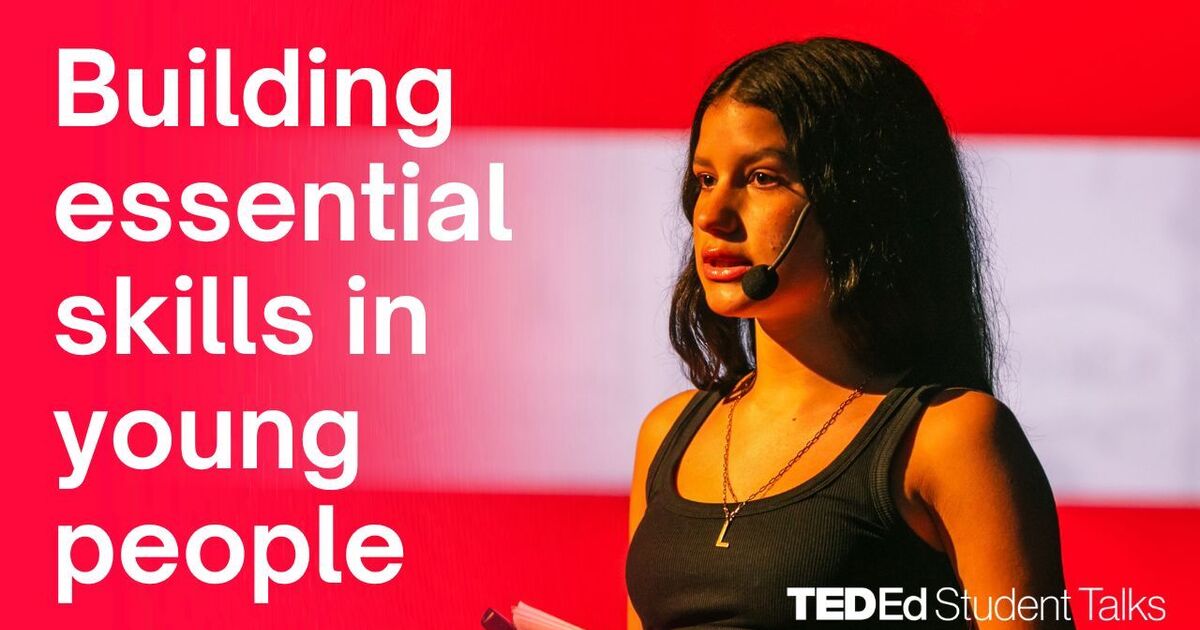
Historically, the development of public speaking skills was relegated to extracurricular debate clubs or elective speech classes, often accessible only to a subset of the student population. The current iteration of the TED-Ed program represents a democratization of these skills. By offering free, scalable, and customizable resources to educators worldwide, the program bridges the gap between theoretical knowledge and practical application.
The process is cyclical and rigorous. It begins with the identification of a personal or societal inquiry, proceeds through a phase of iterative feedback and peer-to-peer collaboration, and culminates in the public dissemination of an idea. This structured approach mimics the lifecycle of professional project management, requiring students to engage in research, audience analysis, and message refinement.
Data-Driven Insights on the Future Workforce
The urgency of this training is underscored by shifting labor market requirements. LinkedIn’s recurring analysis of in-demand skills consistently confirms that employers place a premium on candidates who demonstrate high "soft-skill" proficiency. As AI assumes the burden of repetitive administrative and analytical tasks, human workers are expected to pivot toward roles that require high-level interpersonal management.
Research from the Journal of Applied Psychology and other academic institutions suggests that empathy—often dismissed as a nebulous concept—is a measurable cognitive and behavioral skill. When students practice the active synthesis of personal stories and data-driven narratives, they activate neurological pathways associated with perspective-taking and emotional regulation. In the context of TED-Ed, this is not just an exercise in rhetoric; it is a fundamental development of the capacity to bridge divides, whether cultural, professional, or cognitive.
Case Studies: From Personal Reflection to Public Impact
The pedagogical impact of this training is best evidenced by the evolution of the students themselves. For participants like Shrutarjo Ray, the program served as a catalyst for understanding the transformative power of discourse. Ray’s experience highlights a critical takeaway: the act of vocalizing an idea transforms it from a private thought into a social reality. This transition is a cornerstone of leadership development, as it requires the speaker to anticipate the listener’s needs, biases, and capacity for engagement.
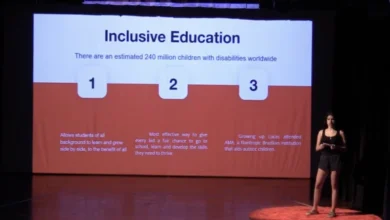
Similarly, the program has demonstrated success in helping students navigate complex, often sensitive subject matter. Lia Costa’s project, which focused on the lived experiences of individuals with Autism Spectrum Disorder, serves as a primary example of using communication as a tool for social advocacy. By integrating technical information with human-centric storytelling, Costa demonstrated a capacity for empathy that transcends academic study.
The implications for such work are profound. As society grapples with increased polarization, the ability to translate technical or sensitive topics—such as gene editing (CRISPR), language preservation, or environmental conservation—into accessible narratives is becoming a prerequisite for effective citizenship. When students like Arush P. describe themselves as "speakers for the planet," they are demonstrating an early adoption of the civic agency that modern democracies require to address existential challenges.
Analyzing the Impact: The Intersection of Agency and Education
The shift toward student-led advocacy is supported by recent studies on youth civic engagement. Evidence from the Public Library of Science (PLOS) suggests that when students are granted a platform and are treated as credible contributors to public discourse, their sense of agency increases, leading to higher levels of long-term civic participation.
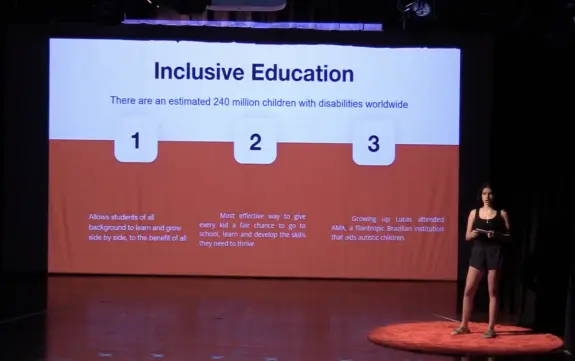
However, there is a secondary, perhaps more subtle benefit to this model: the validation of "unheard" voices. For students like Malak Youssef, the program provided a framework to translate internal dialogue into meaningful public contribution. This process of introspection—whereby students must sit with their emotions and shape them into coherent arguments—functions as a form of executive function training. It requires the speaker to organize their thoughts, regulate their tone, and maintain focus under the pressure of an audience.
Challenges and Future Considerations for Educators
While the success of programs like TED-Ed is clear, the broader integration of these skills into national curricula faces significant hurdles. Implementing these programs requires more than just access to content; it requires a change in teacher training. Educators must pivot from the role of "lecturer" to "facilitator."
The challenge lies in the scalability of these programs within under-resourced school districts. If empathy and communication are indeed the future currencies of the global economy, the digital divide and the opportunity gap in public speaking training could exacerbate existing socioeconomic inequalities. Consequently, the expansion of such programs must be matched by a commitment to equitable access, ensuring that students from all backgrounds have the opportunity to hone these high-value skills.
Looking Toward the 2030 Labor Landscape
As we look toward 2030, the integration of AI into the classroom will only increase. Rather than viewing this as a threat to human-led education, many policy experts argue that it creates a necessary division of labor: technology handles the data, while humans handle the meaning.
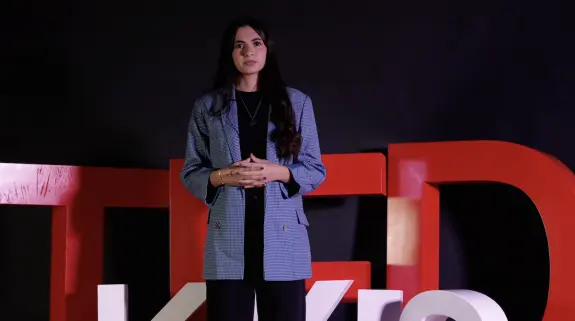
The students currently passing through the TED-Ed program are representative of a generation that must be comfortable with both sides of this coin. They must be able to use AI tools to research complex topics like CRISPR or linguistics, and then, crucially, they must be able to communicate the significance of those topics to a human audience.
The evidence gathered from the program’s recent cohort suggests that the next generation is not merely preparing for the future—they are actively negotiating their place within it. By building these essential, non-replicable skills today, they are ensuring their relevance in an automated tomorrow. The success of these student speakers is a testament to the fact that while technology may change how we work, the necessity of human connection, persuasion, and empathy remains constant. The institutions that prioritize these skills will be the ones that best prepare their students for the complexities of the mid-21st century.