The Evolution of Modern Real Estate How Virtual Open Houses Are Redefining the Home Buying Experience

The traditional landscape of the real estate industry is undergoing a profound digital transformation, moving away from the physical-first model toward a sophisticated, tech-driven ecosystem where the virtual open house has emerged as a cornerstone of property marketing. In today’s globalized digital world, the initial phase of the home search has shifted almost entirely to the internet, creating a new set of expectations for both sellers and buyers. Whether a homeowner is listing a historic property in Augusta, Kentucky, or a contemporary townhouse in the urban center of Detroit, Michigan, the ability to offer a comprehensive digital experience is no longer a luxury—it is a market necessity. This shift has empowered real estate agents to adopt innovative marketing strategies that transcend geographical boundaries, allowing potential buyers to connect with properties from anywhere in the world without the immediate need for physical travel.
The Rise of the Virtual Open House: Context and Definitions
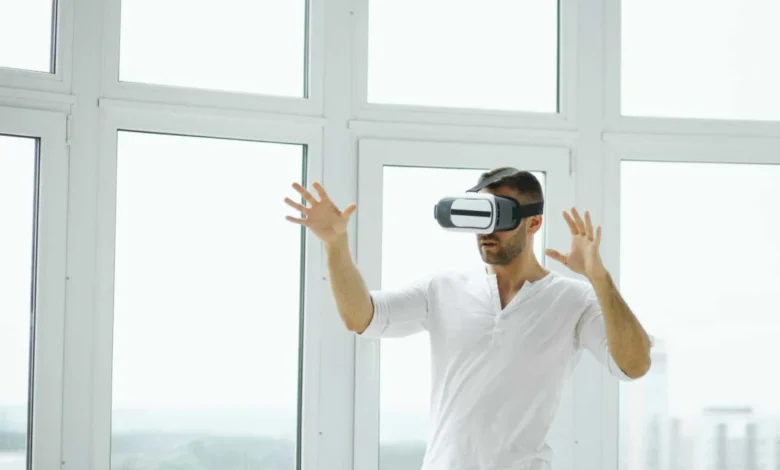
A virtual open house is a structured online event or digital asset that allows potential buyers to explore a property through a digital interface. Unlike traditional listings that rely solely on static photography, the virtual open house utilizes live video, pre-recorded walkthroughs, or interactive 3D environments to simulate the experience of being physically present in the space. This medium serves as a critical bridge in the sales funnel, providing a high-fidelity preview that helps buyers evaluate the layout, flow, and condition of a home before committing to an in-person showing.
The concept gained significant momentum during the global health crises of the early 2020s, but its persistence in the current market proves it was more than a temporary workaround. It has become a permanent fixture because it addresses the modern consumer’s demand for efficiency and transparency. In a fast-moving market, the virtual open house allows a seller to "host" hundreds of visitors simultaneously without the logistical burden of cleaning, staging, and vacating the home for multiple individual appointments.
A Chronology of the Digital Real Estate Shift
The evolution of home searching can be traced through several distinct phases over the last two decades. In the early 2000s, the "online listing" consisted of a single grainy exterior photo and a brief text description. By 2010, high-resolution galleries and basic video slideshows became the standard. However, the true "virtual open house" era began around 2018 with the democratization of 3D scanning technology and the widespread availability of high-speed mobile internet.
The timeline of adoption accelerated rapidly between 2020 and 2023. During this period, real estate platforms integrated live-streaming capabilities directly into their search interfaces. This era also saw the rise of PropTech (Property Technology) companies specializing in Lidar-based floor planning and photogrammetry. Today, we are in the "immersive phase," where virtual tours are often augmented by AI-driven staging and interactive data overlays that provide neighborhood statistics and home affordability metrics in real-time.
Supporting Data: Why Digital Listings Dominate the Market
The shift toward virtual engagement is supported by compelling industry statistics that highlight a change in buyer psychology. According to research from the National Association of Realtors (NAR), approximately 43% of all home buyers now begin their journey by looking at properties online. This "digital-first" approach means that a home’s first impression is made on a screen, not at the curb.
Furthermore, data from digital marketing analytics suggests that listings featuring virtual tours receive 87% more views than those without them. The demand is driven by the buyers themselves: 88% of prospective homeowners now expect to see some form of virtual tour when browsing listings. This expectation is so ingrained that more than half of active buyers report skipping over listings entirely if they do not include a video walkthrough or interactive 3D component. These figures indicate that the virtual open house is not just a marketing "extra," but a primary filter used by buyers to manage their time and interest.
Analysis of Virtual Open House Formats
The industry has diversified the virtual open house into four primary categories, each serving a specific strategic purpose in the sales cycle:
1. Live-Streamed Real-Time Tours
This format involves an agent walking through the property while broadcasting live to platforms such as Zoom, Facebook Live, or Instagram. The primary advantage of this format is its ability to create a sense of urgency and community. Potential buyers can see that others are watching, mimicking the "buzz" of a physical open house. Crucially, the live chat feature allows for immediate Q&A, where agents can address specific concerns—such as the condition of the HVAC system or the view from a particular window—on the spot.
2. Pre-Recorded Professional Walkthroughs
For sellers who want a polished, cinematic presentation, pre-recorded video tours are the preferred choice. These videos are often edited to highlight the home’s best features, accompanied by music and professional narration. They offer the benefit of longevity; once produced, they can be shared across social media, email newsletters, and the MLS (Multiple Listing Service) indefinitely.
3. 3D Interactive and Matterport Tours
Interactive tours represent the high-tech end of the spectrum. Using specialized 360-degree cameras, agents create a "digital twin" of the home. This allows the buyer to "walk" through the property at their own pace, zooming in on architectural details or floor finishes. As Greg Moine of Greg Moine Photography notes, the key is giving the buyer control: "A virtual open house works best when buyers can explore the home the way they would in person. Giving them control with interactive 3D tours… reduces guesswork and attracts more serious buyers."
4. The Hybrid Event Model
The hybrid model is the current gold standard for luxury and high-interest listings. It combines a scheduled virtual event with the option for qualified viewers to book an immediate, private in-person showing. This model often incorporates financial tools, such as home affordability calculators, allowing buyers to transition from "browsing" to "financing" in a single digital session.
Expert Perspectives and Industry Reactions
Professional real estate photographers and marketing experts emphasize that the virtual open house is a tool for lead qualification. Yuriy Divonchuk, owner of Three Nine Media, argues that these tours act as a sophisticated filter. “A high-quality 3D tour allows remote buyers to make confident decisions," Divonchuk explains. "When someone schedules an in-person showing after viewing it, you know they’re serious.” This reduces the "tourist" traffic in a home, ensuring that the seller’s time is only spent on high-intent prospects.
The integration of spatial data is another critical advancement. Rick Fogerty, founder of AccuPhotography, highlights the importance of combining visual data with structural data. “Integrating a digital floor plan into a 3D tour gives buyers spatial context, helping them navigate the home with the same confidence as an in-person visit,” Fogerty says. This holistic approach helps buyers visualize their own furniture in the space, which is a key emotional step in the purchasing process.
Operational Best Practices for a Successful Virtual Event
To maximize the impact of a virtual open house, agents and sellers must treat the digital production with the same rigor as a physical event. Key considerations include:
- Professional Staging: Virtual tours are unforgiving of clutter. Spaces must be depersonalized and cleaned to a professional standard.
- Lighting Optimization: Natural light is essential for video. Recording during the "golden hour" or using professional-grade lighting kits can prevent rooms from looking dark or uninviting on camera.
- Technical Stability: For live events, a stable high-speed internet connection is non-negotiable. Using a gimbal or stabilizer for smartphones is also recommended to prevent "shaky cam" effects that can distract viewers.
- Promotion and SEO: A virtual open house is only effective if it is found. Agents must use targeted social media advertising and SEO-optimized descriptions to ensure the tour reaches the right demographic.
Broader Impact and Future Implications
The long-term implications of the virtual open house trend extend beyond simple convenience. This technology is actively democratizing the real estate market. It allows out-of-state buyers, military families, and international investors to compete on a level playing field with local buyers. It also provides a vital service for individuals with mobility issues who may find it difficult to tour multiple homes in a single day.
Looking forward, the industry is moving toward even more immersive technologies. The integration of Augmented Reality (AR) will soon allow buyers to virtually "place" their existing furniture into a 3D tour of a potential home. Artificial Intelligence is also beginning to play a role, with chatbots capable of answering technical questions about a listing 24/7 based on the data gathered during the virtual tour creation.
In conclusion, the virtual open house has transitioned from a niche marketing tactic to a fundamental pillar of the real estate industry. By offering transparency, convenience, and a high-quality visual experience, it serves the interests of all parties involved. For sellers, it increases exposure and qualifies leads; for buyers, it provides the tools necessary to make informed decisions in a complex market; and for agents, it represents the future of professional property representation. As technology continues to evolve, the line between the virtual and the physical will continue to blur, making the digital tour an indispensable part of the American home-buying story.