Tyla Slayyyter Troye Sivan and more share which music videos they would want to be a part of on the VMAs 2026 red carpet

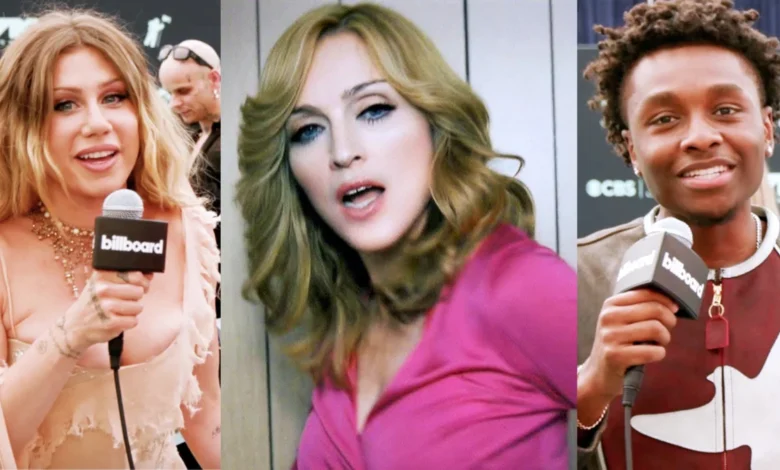
The 2026 MTV Video Music Awards served as more than just a stage for artistic recognition; it functioned as a temporal bridge, connecting the industry’s rising stars with the foundational visual spectacles that defined the medium. As artists arrived on the red carpet at the Prudential Center, Billboard correspondent Tetris Kelly engaged several nominees and performers in a discourse regarding the cultural legacy of music videos. The inquiry—which music video would you want to have starred in?—elicited a range of responses that underscored the diverse influences shaping contemporary pop, hip-hop, and R&B.
The Cultural Significance of the Music Video Medium
Since the launch of MTV in 1981, the music video has evolved from a promotional tool into a primary vehicle for cultural expression. The medium reached its zenith in the late 1990s and early 2000s, an era characterized by high-budget production, complex choreography, and the emergence of the "pop auteur." The nostalgia expressed by current artists during the 2026 VMAs reflects a broader industry trend where the visual aesthetics of the past are being repurposed and celebrated by the current generation.
Historical data suggests that music videos remain a critical component of song promotion, even in the era of short-form vertical video. According to recent industry analytics, tracks accompanied by high-concept visual narratives see a 30% increase in long-term streaming longevity compared to those relying solely on audio-only releases. This persistent value explains why artists continue to look toward iconic historical benchmarks for creative inspiration.
Artist Perspectives and Cultural Touchstones
The responses from the artists on the red carpet were telling of their individual artistic identities. Fuerza Regida, the prominent regional Mexican group, cited System of a Down’s 2005 track "B.Y.O.B." as their top choice. While the group’s own aesthetic leans toward a different genre entirely, their appreciation for the political subtext and the high-energy, chaotic visual narrative of the System of a Down classic highlights the cross-genre influence that defines the modern streaming landscape.
Tyla, the Grammy-winning South African sensation, provided a more contemplative response. Rather than placing herself inside the frame, she expressed a desire to be behind the scenes during a Michael Jackson production. This focus on the "monitor" and the "real-time" creation process reflects a burgeoning interest among modern artists in the technical craftsmanship that built the industry. Jackson, often cited as the architect of the modern music video, set standards for storytelling that remain the gold standard for global performers.
Nostalgia as a Creative Driver
Slayyyter, known for her hyper-pop sensibilities and aesthetic commitment to early-2000s club culture, identified Britney Spears’ "I’m a Slave 4 U" as her ideal project. Released in 2001, the video is widely regarded as a pivotal moment in pop choreography and sexual autonomy. Slayyyter’s desire to participate in the "sweaty" and high-intensity environment of that video speaks to the enduring appeal of physical performance in an increasingly digital, post-production-heavy era.
Similarly, Troye Sivan pointed toward Christina Aguilera’s "Dirrty," a 2002 release that fundamentally shifted the landscape of mainstream music videos. By citing these specific cultural markers, artists like Sivan and Slayyyter demonstrate a clear lineage of performance art that they are actively channeling in their own work. The "Dirrty" video, noted for its controversial and gritty aesthetic, serves as a blueprint for the bold, boundary-pushing visuals that continue to dominate the VMAs today.
Shaboozey offered a shift in focus toward the hip-hop and R&B landscape, highlighting Jagged Edge and Nelly’s "Where the Party At." The 2001 track remains a quintessential example of the "blockbuster" music video style, which often featured extravagant sets, luxury transport, and an ensemble cast—a stark contrast to the minimalist aesthetics that occasionally permeate modern indie music videos.
Timeline of VMA Influence (1981–2026)
- 1981: MTV launches, with The Buggles’ "Video Killed the Radio Star" as the first broadcast, initiating the music video era.
- 1983: Michael Jackson’s "Thriller" premieres, permanently altering the budget and narrative expectations for the medium.
- 1990s: The rise of director-driven visuals, with icons like Hype Williams and David Fincher defining the aesthetic language of pop and rap.
- 2001-2002: The peak of "event" music videos, represented by the choices of Slayyyter, Sivan, and Shaboozey (e.g., "Slave 4 U," "Dirrty," and "Where the Party At").
- 2010s: The shift toward digital platforms and the "viral" video, with YouTube and Vevo becoming the primary discovery points.
- 2026: The VMAs continue to celebrate both technical innovation and the historical preservation of the medium, as evidenced by artist retrospection on the red carpet.
Implications for Future Production
The fact that current chart-toppers are looking back two decades for inspiration has significant implications for future video production. First, it suggests a continued market for high-budget, choreographed storytelling. Second, it highlights the importance of "iconography" in music videos. In an age of ephemeral content, artists are increasingly aware that a well-crafted visual moment can cement their legacy for decades.
Industry analysts observe that this trend toward nostalgia is not merely imitative but strategic. By aligning themselves with the aesthetics of the early 2000s, current artists tap into the high-engagement levels of millennial and Gen Z audiences who are currently driving market consumption. The "retro-futurist" approach—blending high-fidelity modern production with the grit and raw energy of 2000s-era music videos—is expected to remain a dominant trend in upcoming release cycles.
Broader Industry Reactions
Music critics and historians have noted that the artists’ choices during the 2026 red carpet reflect a deep respect for the "Golden Age" of music television. While some might argue that the industry has become fragmented due to social media, the consensus among participants at this year’s VMAs is that the aspiration for greatness remains anchored in the classic visual tropes established by their predecessors.
Furthermore, the willingness of these artists to discuss their influences provides a humanizing element to the ceremony. It moves the conversation beyond mere competition and toward a celebration of the craft itself. As the music industry faces ongoing shifts in how media is consumed—from streaming platforms to AI-generated visuals—the desire to be part of a "real", human-driven production, as Tyla noted, remains a poignant reminder of why the medium matters.
Conclusion
The discourse captured on the 2026 VMAs red carpet serves as a testament to the enduring power of the music video as a cultural artifact. Whether it is the visceral, sweat-drenched energy of a Britney Spears dance sequence or the high-production spectacle of a Nelly music video, these works continue to inform, inspire, and define the aspirations of today’s stars. As these artists move forward, their commitment to the visual medium—and their reverence for the history that precedes them—ensures that the music video will remain a central, albeit evolving, pillar of popular culture for years to come.