Deep dive into the world of Homer’s Odyssey with these 7 videos and explore the enduring legacy of ancient Greek mythology

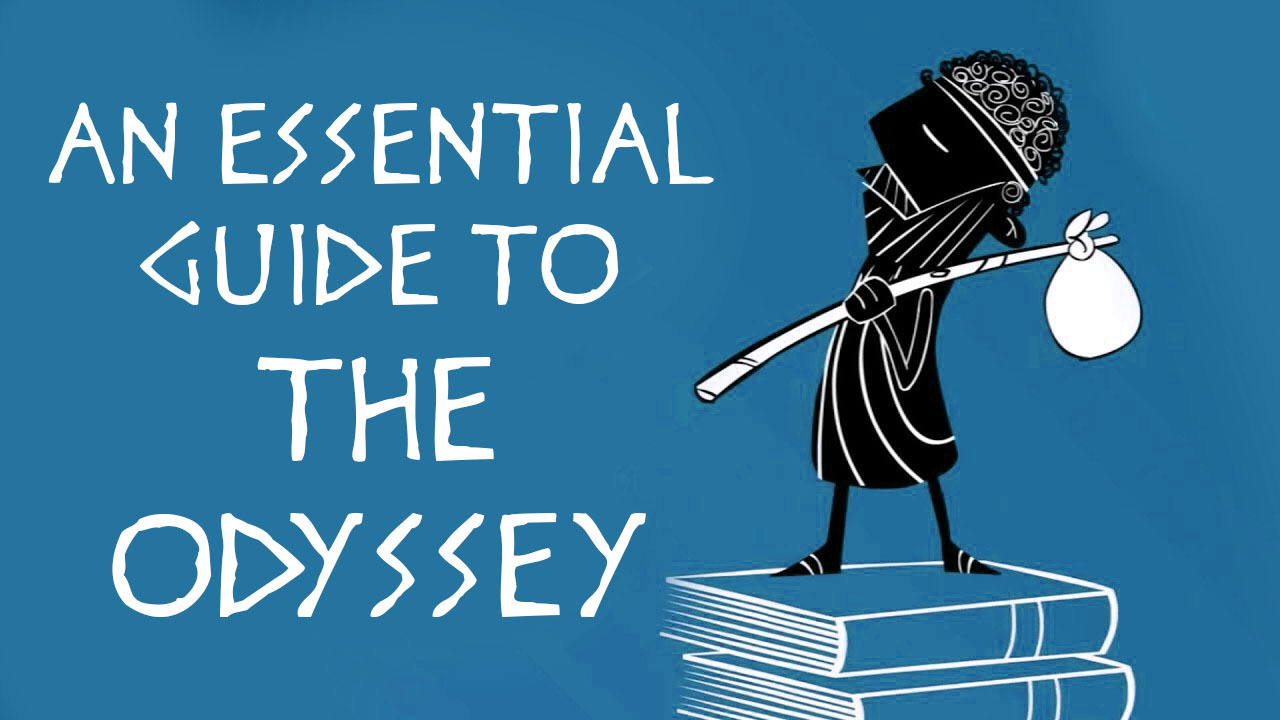
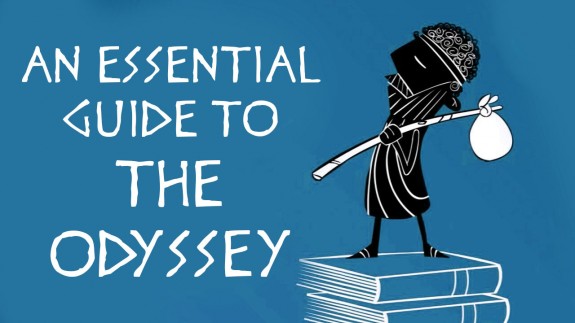
The Odyssey remains one of the foundational pillars of Western literature, a 12,000-line epic poem attributed to the blind poet Homer that has captivated audiences for nearly three millennia. Its narrative—detailing the arduous ten-year journey of the king of Ithaca, Odysseus, as he attempts to return home following the decade-long Trojan War—serves as the quintessential "hero’s journey." As interest in ancient epics experiences a contemporary resurgence through modern cinematic adaptations and literary reinterpretations, educational platforms like TED-Ed have curated a series of multimedia resources to contextualize these complex mythological landscapes for a new generation.
Historical Context and the Homeric Tradition
The timeline of the Trojan War and the subsequent Odyssey is shrouded in the transition between historical fact and oral tradition. Most scholars place the events of the Trojan War in the late Bronze Age, specifically the 12th or 13th century BCE. However, the poems themselves were not transcribed until the 8th century BCE. This gap of several centuries suggests that the stories were preserved through oral transmission, evolving through generations of bards who relied on mnemonic devices and formulaic language to keep the massive sagas intact.
The sheer scale of the text often presents a barrier to modern readers. With its myriad deities, monsters such as the Cyclops Polyphemus, and the manipulative sorceress Circe, the poem functions as both a travelogue and a moral examination of Greek values, specifically xenia (hospitality) and nostos (homecoming). Educational analyses, such as those provided by Jill Dash, emphasize that understanding these cultural norms is essential to decoding the protagonist’s motivations and the divine obstacles placed in his path.
Archaeology and the Search for Troy
A central question in classical studies remains the physical reality of the city of Troy. For centuries, the Trojan War was viewed by many as purely allegorical. The discovery of the archaeological site at Hisarlik in modern-day Turkey by Heinrich Schliemann in the 1870s fundamentally altered the academic discourse. Schliemann’s excavations uncovered multiple layers of a city that had been burned and rebuilt over centuries, lending credence to the theory that the "Iliad" and "Odyssey" were rooted in actual conflicts involving the Mycenaean Greeks and the inhabitants of Anatolia.
However, modern archaeology suggests a more nuanced reality. While a city existed and was indeed destroyed by fire, it is difficult to map specific literary events, such as the Trojan Horse, onto the archaeological record. The Trojan Horse itself—a masterpiece of tactical deception—remains a symbolic representation of the ingenuity associated with Odysseus. The cautionary tale of Laocoön, the priest who warned against the horse, serves as a poignant reminder of the fatalism inherent in Greek tragedy: even those who recognize the danger are often powerless against the will of the gods.
The Underworld and Ancient Cosmography
Greek mythology’s portrayal of the afterlife offers a stark departure from modern theological concepts of heaven and hell. In the classical tradition, the Underworld was not merely a place of punishment but a complex, subterranean geography overseen by Hades and Persephone. The descent of characters like Achilles into this realm provides a lens through which to view the ancient Greek perception of morality and legacy.
In these narratives, the Underworld acts as a repository of historical figures and a space for prophecy. The character of the Sibyl of Cumae, who serves as a guide in various iterations of these myths, bridges the gap between the living and the dead. The significance of these depictions lies in their reflection of the ancient obsession with the "afterlife of the hero"—the idea that one’s deeds in life dictate their status in the realm of the shadows.
Scientific Interpretations of Mythological Events
In recent decades, interdisciplinary studies have sought to bridge the gap between mythology and physical reality. Scholars such as Matt Kaplan have analyzed the "Odyssey" through the lens of natural phenomena. For instance, the monsters and catastrophic events encountered by Odysseus—such as the whirlpool Charybdis or the volcanic activity often associated with the island of Aeolus—may have been poetic interpretations of actual geological or meteorological hazards encountered by ancient sailors.
This scientific approach does not seek to invalidate the myth, but rather to ground it in the experiential reality of ancient Mediterranean navigation. By overlaying known maritime routes with the descriptions found in the poem, researchers have attempted to trace a potential map of Odysseus’s travels, suggesting that the "monsters" may have been symbolic representations of treacherous straits, unpredictable weather patterns, or encounters with hostile, unfamiliar cultures.
The Role of Divinity and Moral Testing
The influence of the Olympians is the driving force behind the events of the "Odyssey." Gods such as Athena, who acts as a patron to Odysseus, and Poseidon, who serves as his primary antagonist, represent the unpredictable forces of nature and fate. The myth of Baucis and Philemon serves as a classic example of the "theoxeny" motif—the practice of gods testing the hospitality of mortals.
These myths served a sociological function in ancient Greece. By showcasing the consequences of greed, hubris, and inhospitality, these stories reinforced the social contract. The gods were not necessarily "good" in the modern sense; they were powerful, capricious, and deeply concerned with how they were treated by the human subjects over whom they exerted influence.
Broader Impact and Educational Implications
The persistent popularity of these myths in contemporary media—ranging from literature and film to interactive games—highlights the universality of their themes. The "hero’s journey" structure is now a staple of modern storytelling, and the lessons found in the "Odyssey" regarding perseverance, leadership, and the human condition remain relevant.
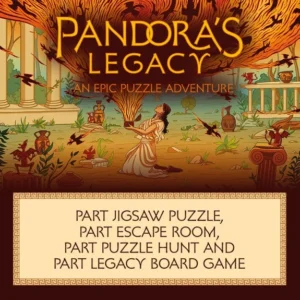
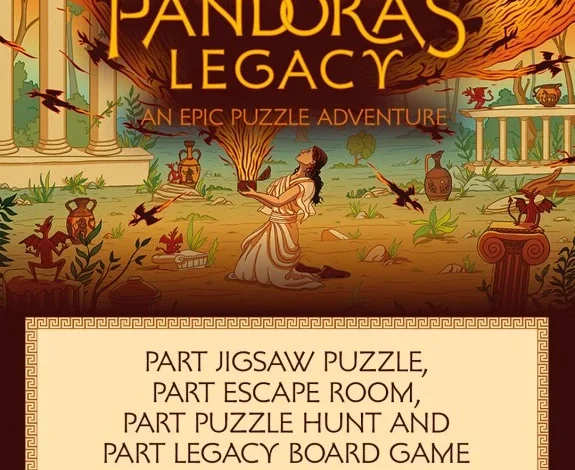
Educational initiatives that utilize interactive media, such as the "Pandora’s Legacy" puzzle adventure, demonstrate a shift in how classical texts are being disseminated. By gamifying the lore, educators are successfully engaging demographics that might otherwise be intimidated by the linguistic density of the original Greek texts. This approach treats mythology not as a static historical relic, but as an active, evolving narrative system.
Statistical and Historical Summary
| Feature | Details |
|---|---|
| Approximate Composition | 8th Century BCE |
| Literary Structure | 12,000 lines, 24 books |
| Setting | Mediterranean Basin / Aegean Sea |
| Core Theme | Nostos (Homecoming) and Xenia (Hospitality) |
| Key Archaeological Site | Hisarlik, Turkey (Troy) |
The integration of these various perspectives—historical, archaeological, scientific, and literary—provides a comprehensive view of why the "Odyssey" continues to occupy such a significant place in human culture. Whether viewed as an accurate historical account, a collection of metaphorical natural phenomena, or a profound philosophical exploration of the human spirit, the text demands rigorous engagement.
As technology continues to evolve, the methods for teaching these ancient stories are adapting, ensuring that the legacy of Odysseus and the pantheon of Greek gods remains accessible to future generations. The transition from oral tradition to written text, and now to digital media, represents the latest chapter in a long history of a narrative that refuses to be forgotten. The implication for modern students is clear: to understand the foundational stories of the past is to possess a sharper, more nuanced understanding of the narrative structures that define our own reality.