Robert Irwin, a name intrinsically linked with the vibrant Australian Sunshine Coast and the globally renowned Australia Zoo, speaks with a palpable passion about his unique upbringing and his profound connection to his homeland. "I was quite literally born and bred at Australia Zoo," Irwin states, his voice resonating with genuine affection. "It was a very unusual childhood, but a pretty awesome one as well. It’s the most wonderful place to grow up. I’ll always be so grateful for home." His formative years, spent amidst sprawling savannas, rugged hinterlands, and pristine white-sand beaches, paint a picture of an idyllic childhood, particularly for someone so deeply attuned to the natural world.
A Childhood Immersed in Nature and Wildlife
Irwin fondly recalls a childhood spent almost entirely outdoors. "I spent probably 99 percent of my time outside," he laughs. "The only time I was inside was when I had to sleep. I grew up as what my mum would describe a ‘free-range kid.’" His definition of fun was far from ordinary; it involved navigating the vast expanse of Australia Zoo, a state-of-the-art wildlife sanctuary spanning over 700 acres. "My idea of fun was running around Australia Zoo… I grew up catching snakes and hugging koalas and riding horses and being in there with rhinos, giraffes, and elephants. It was such a magical childhood." This intimate daily interaction with a diverse array of wildlife, from the smallest reptiles to the largest mammals, undoubtedly shaped his perspective and instilled a deep sense of responsibility towards animal welfare and conservation.

The Irwin family’s legacy at Australia Zoo is not merely a personal narrative but a significant chapter in the region’s history. Founded by Steve and Terri Irwin in 1992, the zoo has grown into a world-class conservation facility and a major tourist attraction. Robert, as the son of the iconic "Crocodile Hunter," Steve Irwin, has inherited this profound connection to the animal kingdom and the mission of wildlife conservation. His childhood, therefore, was not just about play but about actively participating in the zoo’s operations and learning the intricacies of animal care and conservation efforts from a very young age.
A Passion for Sharing the Beauty of the Sunshine Coast
What strikes observers most about Robert Irwin is his unwavering enthusiasm for his hometown and his deep-seated desire to share its wonders with the world. "I feel like my job is to share the beauty of where I live with the world," he asserts. "I think it’s a place that everybody should experience. The Sunshine Coast, and Australia in general, not just my home at Australia Zoo. It is a life-changing experience to come to connect with nature." This sentiment underscores his role as an ambassador for both his family’s legacy and the broader environmental and tourism appeal of the Sunshine Coast.
His connection to the region is deeply personal. "When I’m home, I just feel like I’m reconnected to what is most important to me," he explains. "I’m connected with my purpose, which is really to continue this amazing family business, to continue a legacy of conservation." This drive to uphold and advance his family’s conservation mission is a central theme in his life and work. The urgency of conservation efforts globally, particularly in the face of climate change and habitat loss, adds a layer of critical importance to his advocacy. According to the World Wildlife Fund, Australia is home to some of the highest rates of biodiversity loss globally, making the work of organizations like Australia Zoo and individuals like Robert Irwin increasingly vital.

A Local’s Guide to the Sunshine Coast’s Treasures
Irwin’s deep knowledge and affection for the Sunshine Coast translate into a comprehensive guide to its most cherished spots, offering insights that go beyond typical tourist recommendations.
Favorite Childhood Memories and the Unique Soundscape of Australia Zoo
When asked about his most cherished childhood memories, Irwin points to the sensory experiences that defined his upbringing. "For me, it’s the sounds," he shares. "Every morning, waking up to the sound of the tigers next door and the lemurs that are calling at full volume, sometimes at 5 a.m." This unique auditory backdrop, a constant symphony of wildlife, is a stark contrast to the typical sounds of suburban childhoods.
He emphasizes the Sunshine Coast’s remarkable geographical diversity. "The Sunshine Coast is such an incredible location, and Australia Zoo is, in my opinion, the jewel in the crown," he says. "It’s the centerpiece of our region that so many people grow up visiting—it’s been around for over 55 years." This longevity highlights the zoo’s integral role in the community and its impact on generations of visitors. Beyond the zoo, the region offers a compelling blend of natural landscapes. "But the Sunshine Coast itself is a region where you’re about five minutes from volcanic mountains and hinterlands and temperate forests, then about 15 to 20 minutes away from some of the best beaches in the world. It’s a beach community with the mountains right on our doorstep." This proximity of diverse ecosystems—from coastal plains to volcanic peaks—provides a unique environment for both wildlife and human recreation.
%2520(1).jpg)
The Ideal Sunshine Coast Morning: A Blend of Adventure and Serenity
Irwin outlines an ideal morning on the Sunshine Coast, encapsulating the region’s adventurous spirit and its tranquil beauty. His day begins with an early start at Australia Zoo, followed by a sunrise hike in the Glass House Mountains. These ancient volcanic plugs, a defining feature of the hinterland, offer breathtaking panoramic views. "Get up there to watch the sunrise, and come back down within an hour."
Should he have a free day, his immediate inclination is towards the coast. "If I’ve got a day free, I’m straight to the coast—somewhere like Mooloolaba, which is our closest beach town on the Sunshine Coast—to watch the morning waves roll in, get out on the surfboard for a while." Mooloolaba, known for its patrolled beaches and vibrant foreshore, offers a quintessential coastal experience. His day continues with mountain biking and then, fittingly, a return to his roots. "Then hit the trails for mountain biking and spend the afternoon feeding crocodiles at Australia Zoo. Later, watch the sunset over the African Savannah [with] a nice campfire." This schedule perfectly marries his love for outdoor adventure with his deep connection to the animals at the zoo.
Surfing Havens and Natural Wonders
For surfers, the Sunshine Coast is a paradise, boasting a variety of breaks. "We’re spoiled for choice," Irwin notes. "For any surfers in the world, there is one famous break in a town called Noosa." Noosa’s Main Beach and the surrounding points are world-renowned for their consistent waves and stunning natural beauty. "But all the way down the coast, there are some gorgeous spots and a couple that are still fairly hidden, which is becoming more and more rare in the surf community." This hints at the existence of more secluded breaks, offering a more private surfing experience for those willing to explore.

Top Three Must-Visit Destinations on the Sunshine Coast
Irwin identifies three essential experiences for any visitor to the Sunshine Coast, showcasing the region’s diverse appeal:
-
Mooloolaba and its Marine Life: "You’re a small hop away from the Great Barrier Reef, but if I had to narrow it down to three, I’d say go to Mooloolaba." The waters off Mooloolaba are rich with marine life. "There is sea life right off the coast and a population of humpback whales that pass through on their migratory route." From June to November, the coast becomes a critical corridor for migrating whales, offering unparalleled whale-watching opportunities. "There’s also a massive amount of sea turtles, rays, and sharks a few snorkels off the coast." This accessibility to diverse marine ecosystems makes Mooloolaba a prime location for underwater exploration.
-
Mary Cairncross Park and the Hinterland Rainforest: "One of my other favorite places is a park called Mary Cairncross Park, which is in the hinterlands where you’ve got this old rainforest that’s been there for thousands of years." This ancient subtropical rainforest provides a stark contrast to the coastal environment. "You’ll find wallabies and pademelons, which are these adorable miniature kangaroos." The park offers walking trails through lush vegetation, providing a serene escape and a chance to encounter native fauna in their natural habitat. "It feels like you’ve been transported to this alpine rainforest—miles and miles away from the beach."

-
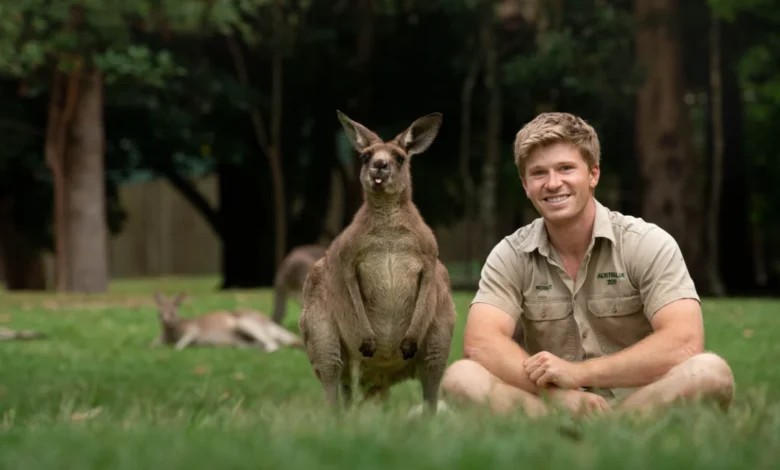
Australia Zoo and the Crocodile Hunter Lodge: "Number three would be right at home at Australia Zoo, at the Crocodile Hunter Lodge." This luxurious eco-retreat offers a unique way to experience the zoo and its surroundings. "Oddly enough, one of the best places to see wild animals is on zoo property." The lodge is situated within the expansive grounds of Australia Zoo, allowing guests to encounter not only the zoo’s resident animals but also native wildlife that frequents the area. "We have so many of the animals that we have in habitats—elephants, tigers, all sorts—but there are also wild animals at our lodge. We have a massive population of kangaroos that have moved into these botanical gardens. You can sit out there on the lawn and watch joeys hopping into their mother’s pouch, koalas up in the trees, cockatoos coming in to feed, fruit bats at night." This integration of wild and captive wildlife within a comfortable, lodge setting provides an immersive nature experience.
Unwinding and Experiencing the Local Vibe
When it comes to unwinding, Irwin gravitates towards the dramatic coastal landscapes. "Up on the points. There’s an incredible beach in Noosa. There’s this series of beaches and there’s a point called Hell’s Gates. It’s a big, rocky point that looks way out down the coast and into the ocean. You can sit on the edge and watch the world go by." This secluded spot offers a sense of peace and perspective, allowing one to connect with the vastness of the ocean.
Culinary Delights and Romantic Escapes
For dining, Irwin’s first recommendation is often his family’s own establishment. "I have an incredible restaurant at Australia Zoo called Warrior Restaurant and Bar. I’m very sneaky and I’ll get them to make me takeaway dinner. I end up eating [there] more than anywhere else." This personal preference highlights the quality and convenience of the zoo’s dining options. Beyond the zoo, he suggests exploring the region’s diverse culinary scene. "If I want to get out, [there’s] the Tamarind, a great Asian-influenced restaurant. Up the road in the mountains, there’s the Long Apron. You feel like you’ve stepped into the South of France." These recommendations point to high-quality dining experiences that reflect the region’s growing gastronomic reputation.

When discussing romantic date spots, Irwin humorously suggests his own backyard. "I mean, I think Australia Zoo screams romance. That’s where my mom and dad met." However, he also points to the charming hinterland towns as ideal locations for a romantic outing. "But up in the mountains, there’s a town about 15 minutes away from where I live with so many tiny hidden gems, cafés, and great dinner spots. You can spend a whole day there, whether it’s with a group of mates or with your significant other. It’s cozy, it’s happy. You feel like you’ve just completely escaped; you feel completely anonymous. It’s just that beautiful little small town vibe." This encapsulates the appeal of the Sunshine Coast’s hinterland—its ability to offer both adventure and intimate, charming escapes.
Nightlife and Memorable Views
While Irwin’s idea of a night out might differ from that of a bustling metropolis, he appreciates the local scene. "My idea of an after-party is to go back to someone’s backyard. You build a nice little campfire, a guitar, that type of thing." For those seeking a more social evening, he points to Mooloolaba. "There’s Rice Boi in Mooloolaba, in this area with a whole bunch of bars, cafés, and eateries. On a weekend, at night, it’s absolutely bustling. Everybody’s just out dancing, enjoying themselves. You can spend a night out and still feel very safe." He humorously notes the difference in pace compared to major international cities, stating, "To be quite honest, our idea of late is like 9 p.m., so it’s a little different from somewhere like New York or London."
The ultimate view for Robert Irwin is deeply personal and tied to his family’s legacy. "My favorite view of all time is honestly a sunset looking over the African Savannah at Australia Zoo," he reveals. "If you get up high enough, you can actually see the Glass House Mountains. You’ve got a beautiful view of giraffes and rhinos and zebras, right at sunset. I’ll sit out on Pride Rock—it looks just like The Lion King—and watch all of our animals after the zoo has shut." This intimate perspective, witnessing the animals in their habitat as the day draws to a close, encapsulates the magic of his life and his profound connection to the natural world.
.jpg)
The Enduring Pull of Home
As a public figure who travels extensively for work, the feeling of returning home is profound for Robert Irwin. "I feel like I’m wrapped up in a big hug when I go to the local café, go for a surf, or am back with all of my animals," he says. "I’m reconnected to what is most important to me." This sentiment highlights the deep emotional and psychological connection he has to the Sunshine Coast. His role as a conservation advocate and a representative of Australia Zoo extends beyond his professional duties; it is a personal mission fueled by a lifelong love for his home. The continued existence and success of Australia Zoo, coupled with the natural beauty of the Sunshine Coast, provide Robert Irwin with a constant source of inspiration and a clear sense of purpose. The region’s unique blend of wildlife, natural landscapes, and community spirit forms the bedrock of his identity and his unwavering commitment to conservation.