The intersection of public health crises and brand perception presents a formidable challenge for the modern restaurant industry, a reality recently underscored by the experiences of the salad chain Sweetgreen. Despite maintaining a supply chain that explicitly avoids both iceberg lettuce and imports from Mexico—the two primary vectors identified by federal investigators in this summer’s widespread cyclospora outbreak—the company found itself caught in the collateral damage of industry-wide consumer anxiety. This phenomenon, where the "guilt by association" narrative impacts market performance regardless of operational reality, forced the company to recalibrate its financial expectations even as the Centers for Disease Control and Prevention (CDC) confirmed that the specific pathogen source was entirely external to the Sweetgreen network.
A Summer of Unintended Consequences
The outbreak, which triggered public health warnings and prompted menu retractions across the fast-casual sector, dominated the news cycle throughout the summer of 2026. For Sweetgreen, the fiscal impact was immediate. In August, the company issued an updated financial outlook, projecting a 7% to 8% decline in same-store sales for the full year, a significant downward revision from their previous guidance of a 2% to 4% dip.
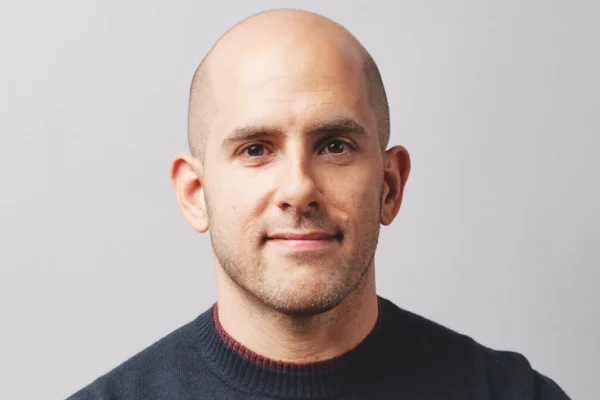
Nic Jammet, cofounder and current Chief Concept Officer of Sweetgreen, reflected on the intensity of the period. "It was a painful summer because that was the headline for the entire season," Jammet noted. The narrative surrounding food safety, he suggested, created a psychological shift that risked driving consumers toward ultra-processed, shelf-stable foods, which are perceived as inherently safer than fresh produce. The operational reality, however, was bleaker for the agricultural sector; reports emerged of farmers being forced to till perfectly healthy crops back into the soil due to the collapse in market demand, illustrating the far-reaching economic damage of foodborne illness scares.
Chronology of the 2026 Outbreak
The timeline of the crisis highlights the rapid escalation and subsequent resolution of the situation.
- Mid-July 2026: Federal health officials initiate an investigation into a cluster of cyclospora infections linked to iceberg lettuce sourced from central Mexico. Public concern begins to suppress traffic at various salad-centric restaurant chains.
- August 2026: Sweetgreen formally adjusts its annual financial outlook, acknowledging the impact of negative consumer sentiment on sales volume.
- September 11, 2026: The CDC officially declares the outbreak over, having traced the source and implemented necessary containment measures.
- Late September 2026: Market analysts observe a recovery in Sweetgreen’s stock performance, with Wells Fargo upgrading the company’s outlook, signaling investor confidence in the brand’s resilience.
Operational Resilience and Market Recovery
The post-outbreak recovery has been faster than many analysts anticipated. Data provided by location analytics firm Placer.ai reveals that from July 6 through September 11, Sweetgreen’s average visits per location increased by 5.6% year-over-year. In contrast, industry rival Chopt saw a decline of 7.7% during the same window. This divergence suggests that brand loyalty and aggressive operational pivots may have insulated Sweetgreen from the worst of the sector-wide downturn.
Under the leadership of CEO Jonathan Neman, Sweetgreen has been executing a multi-faceted turnaround strategy. Following an 11.5% drop in same-store sales in 2025, the company prioritized operational efficiency, menu innovation, and refined pricing structures. These efforts have yielded tangible results, with the company’s stock price gaining approximately 28% year-to-date, marking a significant recovery from the mid-summer slump.
Innovation as a Recovery Catalyst
Beyond financial maneuvering, Sweetgreen has leaned heavily into creative collaborations to refresh its brand identity. In late September, the company announced that cookbook author Molly Baz would serve as its first "chef-in-residence." This partnership, featuring limited-edition menu items such as a Caesar wrap and a specialized chicken salad, is part of a broader strategy to move the brand beyond the "salad-only" perception.
This move into wraps is strategically significant. As the fast-casual segment struggles with "bowl fatigue," brands are increasingly diversifying their offerings to compete with traditional sandwich shops and QSR (Quick Service Restaurant) giants. Jammet rejects the "slop bowl" characterization often leveled at the sector, emphasizing that Sweetgreen’s model relies on high-quality, scratch-cooked ingredients. By evolving the menu, the company is attempting to align its offerings with the changing preferences of the post-pandemic workforce, which continues to demand convenience without sacrificing nutritional value.
The Philosophy of "Never Waste a Crisis"
For the founders, these challenges are not new, though they have scaled significantly since the company’s inception. Jammet recounts the "founding crisis" of 2007, when a burglary resulted in the loss of all digital records, including recipes and training materials, just days before the first store opening. That experience fostered a corporate culture of problem-solving under pressure.
"Shit is always going to happen to you, so you have to be ready to find solutions," Jammet said. This long-term focus has become the bedrock of the company’s crisis management strategy. Instead of reacting to the volatility of the news cycle, the executive team has prioritized maintaining close proximity to their customer base and ensuring operational consistency.
Historical Context and Culinary Pedigree
Jammet’s perspective on the industry is heavily influenced by his upbringing in the world of fine dining. As the son of André and Rita Jammet, proprietors of the legendary New York City restaurant La Caravelle, he was raised in an environment where precision and hospitality were paramount. The transition from fine dining to fast-casual may seem drastic, but Jammet maintains that the core principles are identical: the delivery of a superior product and the intent to ensure that guests leave the establishment in a better state than when they arrived.
The rigorous standards of his parents—who personally oversaw market procurement—have informed his approach to supply chain transparency. This historical context provides a bridge between the high-touch service of old-world fine dining and the high-volume, tech-enabled requirements of the current fast-casual market.
The Sweetgreen Challenge: Redefining Engagement
The brand’s commitment to its mission is perhaps best exemplified by "The Sweetgreen Challenge." Inspired by the cultural impact of documentaries like Super Size Me and the work of nutrition advocates like Michael Pollan and Marion Nestle, the challenge asks participants to eat exclusively from the Sweetgreen menu for a set period.
The recent viral success of the challenge, prompted by the experiences of independent testers like Tim Donohue, has served as a powerful marketing tool. Donohue’s documentation of his 25-day journey—which resulted in significant health improvements and a sustained preference for the brand—demonstrates the potential for lifestyle-focused marketing. By framing their product not merely as an alternative to fast food but as a cornerstone of a healthy lifestyle, Sweetgreen is successfully shifting the narrative from crisis management back to growth.
Future Implications
As the industry moves forward, the lessons from the 2026 cyclospora outbreak are likely to linger. Restaurant chains are expected to invest more heavily in supply chain visibility and rapid communication protocols to mitigate the impact of future food safety concerns. For Sweetgreen, the path forward appears centered on this dual strategy: robust, transparent operations combined with menu innovation that keeps the brand relevant in an increasingly crowded marketplace.
The ability to maintain a 5.6% growth in traffic during an industry-wide health scare is a testament to the brand’s established trust. As Jammet noted, the world has largely moved past the specific incident, but the structural changes the company implemented—ranging from new menu collaborations to deeper engagement with the "Sweetgreen lifestyle"—suggest a company that is not merely reacting to events, but actively shaping its future trajectory in the fast-casual landscape. The goal remains clear: to offer a consistent, high-quality dining experience that transcends the limitations of the "salad chain" label, ensuring that the brand remains a staple of the modern consumer’s daily routine.