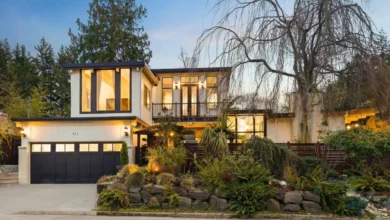
Mastering the Art of Real Estate Photography Lighting: How Professionals Turn Light Into Listings


First impressions in the modern real estate marketplace are almost exclusively digital. Long before prospective buyers schedule a physical tour or drive through a neighborhood, they scroll through dozens—sometimes hundreds—of online listings. In this hyper-visual environment, lighting is the critical differentiator between a property that commands immediate attention and one that is bypassed. Achieving optimal illumination, however, is far from simple. It requires a sophisticated mastery of optics, real-time environmental adaptation, and technical precision. Professional real estate photographers must constantly navigate the complex interplay between natural daylight and artificial fixtures, carefully managing dynamic ranges, harsh shadows, and mismatched color temperatures to present a home accurately and invitingly.
The stakes for high-quality visual marketing have risen dramatically over the past two decades. With the near-universal adoption of online real estate portals as the primary starting point for home searches, seller expectations and industry standards have shifted. According to real estate marketing data gathered across North American brokerages, listings featuring high-definition, professionally illuminated photography receive an average of 61 percent more views online than those with standard or amateur imagery. Furthermore, properties marketed with superior visual assets consistently sell faster and closer to—or above—their asking prices. This economic reality has elevated real estate photography from a routine checklist item into a specialized, highly technical craft.
The Psychology and Science of Illumination in Housing
At its core, real estate photography is not merely about making a dark room bright; it is about visual storytelling and emotional resonance. Lighting dictates how architectural features are perceived, influencing spatial dimensions, cleanliness, and overall warmth.
“Properly balanced lighting makes rooms feel bright, spacious, and inviting while still keeping colors and finishes looking natural,” explains Robert White, owner of Picture This Property, a real estate photography and media company based in Cypress, Texas. “In real estate photography, the goal isn’t simply to make a room brighter; it’s to control the light so the home looks its best without looking unrealistic.”
This delicate balance requires a deep understanding of human perception versus camera sensor limitations. While the human eye naturally adjusts to varying light levels within a room—simultaneously registering details in a sunlit bay window and a dimly lit corner—camera sensors struggle with high-contrast environments. Without intervention, shooting toward a window results in either a properly exposed interior with a completely washed-out, blinding white exterior, or a balanced view of the outdoors that leaves the living space submerged in shadow.
Harnessing Natural Daylight and Managing Contrast
The foundation of most successful real estate shoots begins with daylight. Natural light introduces clean, organic illumination that breathes life into living areas, allowing buyers to envision bright mornings and airy afternoons.
Industry professionals emphasize preparation before the camera ever comes out of its case. “We love natural light and try to use it as much as possible. Make sure you open all blinds and curtains to let in as much natural light as you can,” advises the team at Luma 3 Productions in Wilmington, North Carolina.
Yet, daylight is inherently dynamic and presents distinct challenges depending on a home’s geographical orientation and the time of day. East-facing rooms experience intense morning illumination that rapidly diminishes by afternoon, while west-facing spaces endure harsh, direct evening glare. This variance introduces stark contrast and deep shadows. While novice photographers often view shadows as defects, seasoned professionals understand how to leverage them strategically.
“Depending on the time of day and the direction the windows face, natural light can create some pretty harsh shadows,” notes the Luma 3 Productions team. “But that’s not necessarily a bad thing. In fact, shadows can sometimes add depth and character to the room.”
Pre-Planning and Navigating Environmental Constraints
Because natural light is fickle, professional shoots require rigorous advance planning. Factors such as regional weather patterns, seasonal foliage, and architectural design dictate the precise timeline a photographer must follow to capture each room at its optical peak.
Ag Real Estate Media, operating out of Cincinnati, Ohio, utilizes advanced digital tools to map solar trajectories prior to arriving at a property. “We encounter rooms with very little sunlight, rooms with too much sunlight, and rooms clad in wood or dark paint,” the firm’s team explains. “We can overcome these challenges beginning with good planning, and even have apps that can track the sunlight so you can plan your shoot accordingly. It’s important to know the limits of your equipment, how to tweak the settings, and how that will affect the image.”
When unexpected environmental hurdles arise—such as sudden cloud cover, overcast skies, or properties with minimal window exposure—photographers must pivot to artificial intervention. Andrea Shandri, owner of Shandri Photo & Media in Des Moines, Iowa, identifies external variables as the most persistent hurdles in her daily workflow.
“A lack of natural or ambient light can make my job much more challenging,” Shandri notes. “My top three lighting challenges are based on variables that are out of my control, including cloudy weather, ceiling color, and lack of windows. But no fear—during dark weather, I usually keep artificial lights off and use flash so I can manipulate my camera settings even more to produce a brighter image. For darker ceilings or with rooms that don’t have windows, I keep artificial lights on and introduce a brighter flash frame to accurately light the space.”
Layering Ambient Light and Tackling Mixed Color Temperatures
While overhead fixtures provide broad illumination, they frequently generate unflattering vertical down-shadows beneath cabinetry, countertops, and furniture. To counteract these dark zones, professionals rely on layered ambient lighting, incorporating table and floor lamps to soften the space.
“Turn the lamps on, even during the day,” suggests Homeowner Experience Real Estate in San Jose, California. “Lamplight warms a space and fills in the corners that natural light doesn’t reach. To make this easy, we give sellers timers so their lamps turn on automatically during showing hours and off at night, and no one has to remember to do it.”
However, introducing multiple light sources creates a secondary technical hurdle: mixed color temperatures. When cool, bluish daylight (measured at a high Kelvin rating) mingles with warm incandescent bulbs (lower Kelvin) or erratic LEDs, digital sensors struggle to render neutral tones. Wall colors distort, and wood finishes can take on unnatural orange or green casts.
“One of the most important things homeowners can do is replace all burnt-out light bulbs throughout the home,” advises AG Real Estate Media. “Also, make sure your bulbs match in color temperature. It doesn’t matter so much if you choose the warmer incandescent or cooler LEDs, it’s more important that they match and the home has consistent lighting throughout.”
Luma 3 Productions echoes this sentiment, noting that discordant bulb colors complicate the post-processing phase. “When these different color temperatures mix in the same room, achieving consistent, natural-looking colors becomes much more challenging. To combat this, we sometimes turn off certain lights and rely on natural light.”
Advanced Technical Solutions: Exposure Blending and HDR
When environmental and architectural challenges surpass the limits of single-frame capture, photographers employ advanced computational and exposure techniques. High-Dynamic-Range (HDR) imaging and exposure blending are standard industry practices designed to bridge the gap between human vision and digital sensor constraints.
“One of the biggest challenges is photographing a darker interior when there is extremely bright daylight outside the windows,” reiterates Robert White of Picture This Property. “If you expose for the room, the windows can turn completely white; if you expose for the windows, the room becomes too dark. I capture multiple exposures and carefully blend them together so we preserve detail inside the home and outside the windows while keeping the final image realistic.”
By merging multiple frames captured at varying shutter speeds, photographers retain crisp details of interior architectural features while simultaneously showcasing exterior vistas, such as manicured backyards, swimming pools, or distant mountain ranges. This technical execution ensures that buyers receive a complete, uncompromised view of the property’s environment.
Economic Implications and Seller Preparation
The meticulous effort poured into real estate lighting directly impacts market velocity. Real estate market analyses consistently demonstrate that listings featuring professionally illuminated, high-dynamic-range photography command higher buyer engagement and shorter cumulative days on market (DOM). In competitive metropolitan housing markets, where inventory can fluctuate rapidly, quality visual marketing often dictates whether a property captures immediate competitive bidding or languishes online.
Industry experts stress that while professional photographers bring the necessary technical expertise and high-end equipment to the shoot, homeowners and listing agents play a vital participatory role in the preparatory phase. Simple preparatory measures—such as washing windows to maximize light transmission, replacing mismatched or burned-out lightbulbs with uniform color-temperature alternatives, decluttering surfaces, and ensuring all blinds are fully retracted—drastically reduce shooting times and elevate the final visual output.
Ultimately, the mastery of real estate lighting serves a profound psychological purpose. Long before a potential buyer evaluates square footage, roofing materials, or school district ratings, they experience an emotional reaction to the property through a screen. By meticulously balancing natural light, controlling ambient shadows, and eliminating color distortions, professional photographers transform static rooms into aspirational living spaces—sparking the vital emotional connection that turns a casual digital browser into a committed homebuyer.