Enhancing Curb Appeal: Strategic Exterior Upgrades to Maximize Home Value and Marketability

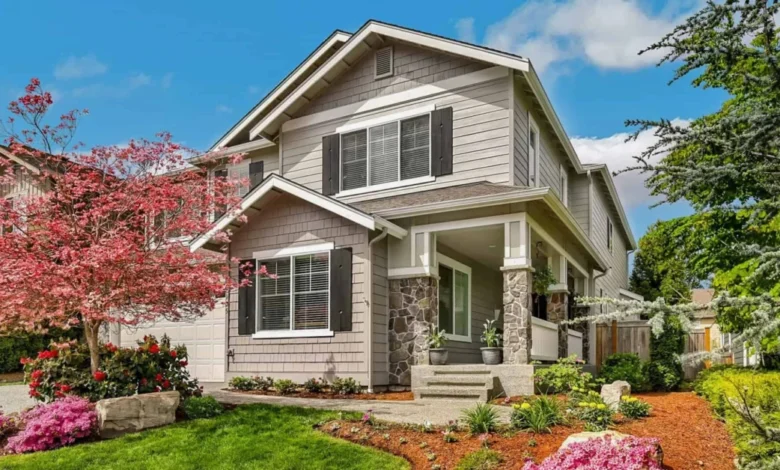
The concept of curb appeal—the visual attractiveness of a residential property as seen from the street—has evolved from a secondary aesthetic consideration into a primary driver of real estate valuation and buyer psychology. In a modern housing market characterized by rapid digital browsing and high interest rates, the exterior of a home serves as its initial marketing pitch, often determining whether a potential buyer decides to schedule a tour or continue scrolling through a listing app. Industry data suggests that the external presentation of a property can influence its final sale price by as much as 7% to 14%, particularly in competitive markets where first impressions are paramount. From the foundational integrity of the driveway to the curated aesthetics of the front entryway, strategic improvements to a home’s exterior offer some of the highest returns on investment (ROI) in the real estate sector.
The Economic and Psychological Impact of First Impressions
Real estate professionals across the United States, from the suburban landscapes of South Burlington, Vermont, to the growing neighborhoods of Stillwater, Oklahoma, emphasize that a home’s exterior tells a narrative before a visitor ever crosses the threshold. This "narrative" is rooted in the psychological concept of thin-slicing—the ability of the human brain to find patterns in events based only on "thin slices" of experience. When a buyer pulls up to a property, they are subconsciously scanning for signs of maintenance or neglect.
“A home’s exterior tells a story before the front door even opens,” explains Gigi Gallinghouse of McCarthy Group Realtors. This sentiment is backed by a 2020 study from the Journal of Real Estate Finance and Economics, which found that homes with high curb appeal sell for an average of 7% more than similar houses with uninviting exteriors. In premium markets, this premium can escalate significantly. The transition from the curb to the front door acts as a psychological bridge; if the bridge is well-maintained, the buyer enters the home with a sense of security and positive anticipation. Conversely, if the driveway is cracked or the lawn is overgrown, the buyer enters with a "defensive" mindset, actively looking for internal flaws to justify the external neglect.
The Infrastructure of Appeal: Maintenance and Structural Integrity
Before a homeowner can successfully implement cosmetic upgrades, they must address the underlying maintenance of the property. Experts agree that decorative flourishes, such as expensive planters or trendy paint colors, are ineffective if they are overshadowed by visible signs of disrepair. Maintenance is the bedrock of curb appeal, signaling to buyers that the home has been cared for by a responsible owner.
The maintenance phase should follow a systematic checklist:
- Surface Restoration: Pressure washing is often cited by real estate agents as the most cost-effective way to improve a home’s look. Removing years of dirt, algae, and grime from siding, walkways, and driveways can restore the original vibrancy of the building materials.
- Roof and Gutter Management: Clean gutters and a moss-free roof are essential. Debris-filled gutters suggest potential water damage issues, which can be a significant red flag during a professional home inspection.
- Paint and Trim: Peeling paint is one of the most visible indicators of age and neglect. Touching up the trim, shutters, and the front door can provide a "new" feel without the cost of a full exterior repaint.
- Hardware and Functionality: Ensuring that gates, fences, and railings are sturdy and freshly stained or painted prevents the property from looking "tired."
By prioritizing these "invisible" updates, homeowners prevent buyers from mentally deducting repair costs from their offer price. A well-maintained exterior suggests that the home’s internal systems—HVAC, plumbing, and electrical—have likely received similar attention.
Landscaping as a Value Multiplier
Landscaping is more than just aesthetic greenery; it is a structural element of the home’s exterior design. Professional landscaping provides one of the highest ROIs of any home improvement project, with some estimates suggesting a 100% to 200% return at the time of sale. However, the key to successful landscaping lies in balance and regional appropriateness.
In climates like South Burlington, Vermont, landscaping must account for seasonal shifts, requiring hardy perennials and structural evergreens that maintain their form during the winter months. In contrast, properties in Stillwater, Oklahoma, may benefit from drought-resistant plants and xeriscaping techniques that reduce water consumption while maintaining a lush appearance.
Key landscaping interventions include:
- Fresh Mulching: Applying a new layer of dark mulch to flower beds is a low-cost task that provides an instant "manicured" look. It defines the edges of the garden and suppresses weeds, making the yard appear lower-maintenance to the buyer.
- Strategic Planting: Introducing seasonal flowers adds a pop of color that can make listing photos stand out. However, experts warn against over-planting, which can make a yard feel cluttered and difficult to maintain.
- Lawn Grooming: A healthy, green lawn remains a gold standard for curb appeal. This involves regular mowing, edging along walkways, and addressing brown spots or weed infestations well before the home goes on the market.
The Entryway: Creating a Focal Point
The front door is the focal point of the home’s exterior. It is the destination of the buyer’s journey from the curb and serves as the final impression before they experience the interior. Enhancing the entryway is a targeted strategy that requires minimal investment for maximum visual impact.
Melody Norris, owner and designer at Sandia Staging and Design, recommends a multi-sensory approach to the entryway. This includes a fresh coat of paint for the door—often in a bold, contrasting color like navy, forest green, or classic black—paired with a clean, high-quality welcome mat. “Keep your landscaping tidy and clear away any clutter such as tools, hoses, or kids’ toys,” Norris advises.
Small hardware upgrades also play a significant role. Swapping out a weathered brass handle for a modern matte black or brushed nickel set can modernize the entire facade. Furthermore, house numbers should be stylized and highly visible. Not only does this add a design element, but it also ensures that prospective buyers and agents can easily locate the property, reducing frustration before the viewing even begins.
Advanced Strategies: Lighting and Luxury Details
As the real estate market trends toward luxury and high-tech features, exterior lighting has emerged as a critical component of curb appeal. Lighting serves a dual purpose: it enhances safety and security while highlighting the architectural features of the home during evening hours.
Joseph Satto of the Fresh Air Team emphasizes the importance of "layered" lighting. This involves a combination of path lights for safety, uplighting to showcase mature trees, and architectural wash lighting to accentuate the textures of the home’s facade. “Exterior lighting, which is often overlooked, can elevate the feel of a property,” Satto notes. “It can create a dramatic, resort-like presence at dusk.”
For luxury properties, these details are not optional; they are expected. High-end buyers look for "pride of ownership" in the details. This might include custom-paved driveways instead of gravel, professional-grade irrigation systems, and integrated smart-home security cameras that are aesthetically blended into the architecture.
Digital Curb Appeal: The New Frontier
In the age of the internet, the "curb" is no longer just the street in front of the house; it is the screen of a smartphone. Digital curb appeal refers to how a home’s exterior translates into high-resolution photography. Many buyers will "drive by" a property virtually using Google Street View or by scrolling through an online gallery before ever visiting in person.
To optimize digital curb appeal, homeowners should ensure that their exterior updates are "camera-ready." This means avoiding highly reflective surfaces that cause glare, ensuring that the lawn is perfectly edged for the photo shoot, and timing the photography to take advantage of the "golden hour"—the period shortly after sunrise or before sunset when the light is soft and warm.
Conclusion and Market Implications
The cumulative effect of these exterior enhancements extends beyond the individual property. High curb appeal contributes to the overall "neighborhood effect," where well-maintained homes drive up the comparable sales (comps) for the entire area. As homeowners in diverse markets like Vermont and Oklahoma seek to maximize their equity, the focus on exterior presentation remains a stable and effective financial strategy.
Ultimately, improving curb appeal is an exercise in empathy—looking at the home through the eyes of a stranger. By combining foundational maintenance with strategic landscaping and thoughtful entryway updates, sellers can create an environment where buyers feel "at home" before they even step inside. In an industry where seconds count, the value of a lasting first impression cannot be overstated. As Pantea Bionki of Bionki Interiors summarizes: “When the outside is polished and inviting, buyers walk through the front door already sold.”