Market Divergence Grips Media Sector as Paramount and Warner Bros Discovery Navigate Final Hurdles of Landmark Merger

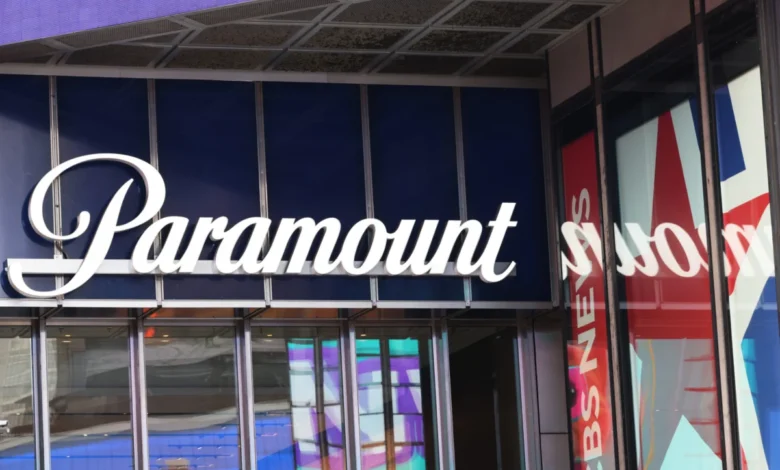
The media landscape is bracing for a tectonic shift as the $111 billion merger between Paramount and Warner Bros. Discovery (WBD) enters its final, high-stakes phase. Following a day of volatile trading, Warner Bros. Discovery shares surged 11%—a common market phenomenon for the acquiring party in a major consolidation—while Paramount shares stumbled, closing at $9.91. This represents the company’s lowest closing price in a month, reflecting investor anxiety over delays in the transaction’s completion. Despite a promising 10% jump earlier in Monday’s session, the stock’s late-day decline was fueled by revelations that the final closure of the deal would require an additional two-week window.
The cooling of investor sentiment was primarily triggered by the acknowledgment that Paramount faces significant financial exposure in the form of a "ticking fee." This contractual penalty requires Paramount to pay approximately $7 million per day to WBD shareholders for every day the deal remains unclosed past the October 1 deadline. With the transaction now delayed by an additional fourteen days, the financial pressure on Paramount—a company with a market valuation hovering around $11 billion—is becoming a central point of contention for analysts and shareholders alike.
The Legal Landscape: Settling the Resistance
The volatility follows a pivotal legal breakthrough announced Monday morning: a settlement between Paramount and a coalition of 12 state attorneys general, alongside a parallel lawsuit filed by the Writers Guild of America (WGA). These legal challenges, initiated in July, had cast a long shadow over the merger despite initial approval from federal regulators.
The lawsuits gained unexpected momentum in early autumn, with several court rulings suggesting that the merger could face significant structural blocks or even permanent curtailment. The prospect of a March 2027 trial date had loomed over the proceedings, with estimates suggesting that legal costs and the cumulative burden of ticking fees could have exceeded $650 million per quarter. By settling, Paramount has avoided a protracted courtroom battle, though the cost of that resolution is now being scrutinized by the markets.
Chronology of a Mega-Merger
To understand the current state of the Paramount-WBD deal, one must look at the timeline of the acquisition:
- Initial Proposal: Early 2024 saw the first serious discussions regarding the consolidation of two of Hollywood’s most storied entities.
- Regulatory Approval: By mid-summer, federal regulators granted the deal the green light, assuming that no significant antitrust violations were present.
- July 2024: A coalition of 12 state attorneys general and the WGA filed suit, arguing that the merger would create an undue concentration of power in the media and news sectors.
- October 1, 2024: The designated target date for deal closure. The failure to hit this date triggered the commencement of the $7 million daily ticking fee.
- October 14, 2024: Announcement of the settlement with the state AGs and the WGA, removing the final major legal obstacle to the merger’s completion.
Wall Street Reaction and the "Behavioral Remedy" Debate
The market reaction on Monday was somewhat muted due to the observance of Yom Kippur, yet industry analysts were quick to weigh in on the implications of the settlement. The consensus among financial experts is that the terms are remarkably favorable to Paramount, particularly given the initial fears that regulators might force the sale of key assets.
Instead of structural remedies—such as the divestiture of major networks or studio divisions—Paramount agreed to "behavioral remedies." These include commitments to maintaining U.S. production levels and ensuring the editorial independence of CNN. While these pledges satisfy the legal requirements to settle the lawsuits, they have left many market watchers skeptical of their long-term efficacy.
TD Cowen analyst Doug Creutz characterized the concessions as minor, noting that the potential forced sale of a stake in Miramax is largely inconsequential to the broader financial picture. "Competition is overrated anyway," Creutz remarked in a note to clients, referencing a famous sentiment regarding the nature of market dominance. Similarly, Rich Greenfield of Lightshed Partners labeled the outcome a "slam dunk" for Paramount CEO David Ellison, arguing that the company successfully avoided the structural compromises that usually diminish the value of such massive corporate unions.
The Dissenting View: Concerns Over Consolidation
While Wall Street largely views the settlement as a victory for corporate efficiency, the deal has drawn sharp criticism from regulatory experts and labor advocates who fear the long-term impact on the media ecosystem.
Alvaro Bedoya, who served as a member of the Federal Trade Commission (FTC) from 2022 to 2025, expressed strong disapproval of the settlement. In a public statement following the news, Bedoya argued that the merger represents a triumph of "billionaires" over the interests of the public and the labor force. He warned that the integration of a major media conglomerate with close political ties—and the inclusion of foreign sovereign wealth investment—could stifle dissenting voices.
Bedoya’s concerns touch on broader economic anxieties: the potential for mass layoffs as the companies consolidate operations, the impact on small businesses that rely on current contract structures, and the potential for increased costs for consumers in the form of higher cable bills and cinema ticket prices. "Dissent against money and power will be even harder to find," Bedoya noted, highlighting the systemic risks inherent in such high-level consolidation.
Looking Ahead: The Final Two Weeks
As the market enters the final two-week window before the official closing, the focus will remain on whether any further complications arise. Paramount’s management is now under immense pressure to finalize the administrative and legal requirements to stop the daily $7 million cash bleed.
The integration process, which will follow the closing, is expected to be one of the most complex in Hollywood history. With Paramount’s stock price currently sitting at its lowest point in a month, the company must demonstrate to its shareholders that the benefits of the merger—namely the scale and combined library of intellectual property—outweigh the costs of the litigation and the financial penalties incurred during the delay.
For the wider industry, the success or failure of this merger will serve as a bellwether for future media consolidations. If Paramount and WBD can successfully navigate these final hurdles and prove that "behavioral remedies" are sufficient to satisfy regulators, it may open the floodgates for further horizontal integration across the entertainment, streaming, and news sectors. However, if the promised synergies fail to materialize or if the anticipated layoffs and price hikes trigger further public and political backlash, the deal could be remembered as the point where the industry reached its regulatory ceiling.
For now, investors remain in a holding pattern, waiting for the formal confirmation that the transaction has been executed. The coming fortnight will be critical, as every 24-hour delay carries a tangible, multi-million dollar cost, ensuring that the final chapter of this deal will be as expensive as it is historic.