Millennials continue to anchor the American housing market, representing a dominant demographic force that is reshaping how residential properties are bought, sold, and marketed. Data from recent real estate analyses indicates that the homeownership rate among millennials reached 55.4%, with individuals aged 30 to 39 accounting for 26% of all U.S. home purchases—the largest share of any generational cohort. As this demographic increasingly matures into peak earning and purchasing years, real estate sellers must adapt their pre-listing strategies to align with the unique values, financial realities, and lifestyle preferences of millennial buyers.
Whether listing a downtown condominium in Denver, a suburban bungalow in Raleigh, or a modern townhouse in Austin, sellers consistently encounter a distinct set of buyer priorities. Millennial purchasers routinely look past superficial square footage in favor of move-in-ready condition, functional living spaces that accommodate remote work, exceptional digital marketing and visual assets, and neighborhoods that offer vibrant, walkable daily conveniences. Understanding these dynamics is no longer optional for sellers aiming to maximize their return on investment in a competitive real estate climate.
The Evolution of Millennial Homebuying Trends
To understand current millennial housing demands, one must examine the broader socioeconomic and cultural background of the generation. Having come of age alongside the proliferation of HGTV, design-focused social media platforms, and curated online interiors, millennial buyers possess elevated baseline expectations regarding home aesthetics and functionality. Furthermore, many entered the housing market during periods of heightened inflation, elevated interest rates, and soaring property values. Consequently, these buyers frequently purchase homes near the absolute ceiling of their pre-approved budgets.
This financial reality leaves minimal disposable income for immediate post-purchase renovations, custom furnishings, or extensive cosmetic overhauls. A home that requires significant maintenance or immediate modernization acts as an immediate deterrent. Conversely, properties that present a polished, cohesive aesthetic carry tremendous market value. Industry experts note that effective staging for this demographic relies on clean, approachable design, intentional furniture placement, and styling that communicates lifestyle utility rather than merely filling empty rooms.
Key Priorities Driving Millennial Purchases
Real estate professionals across the country have observed recurring themes in what captures the attention and capital of millennial buyers. Meeting these expectations requires a targeted approach encompassing physical presentation, digital media, and neighborhood positioning.
- Prioritizing Move-In-Ready Conditions and Cosmetic Impact
Because financial resources are often heavily allocated toward the down payment and closing costs, millennials heavily favor properties where they can unpack without immediately hiring contractors. Sellers do not necessarily need to execute a costly, full-scale kitchen or bathroom remodel to achieve this effect. Instead, high-impact, low-cost cosmetic updates—such as applying a neutral coat of fresh paint, updating outdated cabinet hardware, replacing worn light fixtures, and thoroughly deep-cleaning grout and flooring—can fundamentally shift a property’s perception from a fixer-upper to a turnkey home.
Industry professionals emphasize that emotional connection drives purchasing decisions in this demographic. When home staging clearly delineates the function of each space, buyers can easily envision their daily routines unfolding within the walls. This emotional clarity enables them to overlook minor imperfections or structural compromises that might otherwise derail a sale.
- Emphasizing Flexible and Functional Living Spaces
The nature of the modern workplace has permanently altered residential architectural demands. With hybrid and fully remote work models established as long-term fixtures for a significant portion of the millennial workforce, dedicated workspace has transitioned from a luxury to a necessity.
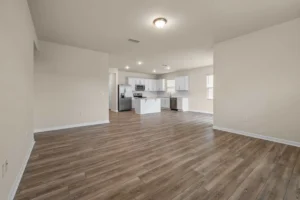
Staging mistakes that overly crowd rooms with bulky, traditional furniture can make spaces feel confined and obsolete. Instead, sellers achieve better results by establishing clear, functional zones. A well-lit corner, a quiet alcove, or a spare bedroom staged as a productive home office rather than a catch-all storage area serves as a powerful differentiator in a competitive market. Furthermore, open-concept floor plans continue to dominate wish lists, allowing natural light to flow freely and making smaller square footage feel expansive and adaptable.
- Elevating Digital Presentation Through Photography and Video
Long before a millennial buyer ever sets foot inside a property, they have thoroughly evaluated it through digital channels. The sequence and quality of listing media dictate whether a prospective buyer schedules a showing or simply swipes past the listing.
Real estate media specialists draw direct parallels between online real estate searches and digital dating platforms: the initial visual impression must instantly captivate the viewer. A poorly sequenced gallery—such as placing an unfinished basement photo directly between images of a modernized kitchen and living room—can instantly break a buyer’s engagement.
To combat digital fatigue, high-definition video walkthroughs and aerial drone footage have become essential components of modern listing strategies. Social media consumption habits among millennials mean that dynamic video content provides a clearer, more immersive understanding of room flow, property boundaries, and neighborhood proximity than static photography ever could. This upfront virtual engagement builds familiarity and excitement, directly translating into in-person showings.
- Selecting Durable, Low-Maintenance Materials
Practicality ranks exceptionally high among millennial homeowners, many of whom balance demanding careers, active social lives, and young families. In high-traffic zones like kitchens and bathrooms, materials that combine aesthetic appeal with long-term durability resonate most strongly. Quartz countertops, luxury vinyl plank flooring, and easily cleanable tile backsplashes signal to buyers that a home is engineered for everyday life, minimizing future maintenance burdens and repair anxieties.
- Integrating Smart Home Technology Seamlessly
As a generation native to digital integration, millennials appreciate connected home features, provided they are intuitive and cohesive. Rather than an eclectic assortment of disconnected gadgets, buyers look for unified smart ecosystems. Standardized installations such as smart thermostats, video doorbell systems, automated lighting controls, and keyless entry locks add tangible, practical appeal without demanding exorbitant capital outlays from the seller.
- Highlighting Walkability and Neighborhood Amenities
Property evaluation for a millennial buyer rarely stops at the property line; the surrounding community plays an equally critical role in the decision-making process. When comparing equivalent comparable homes, the convenience and lifestyle offered by the neighborhood frequently serve as the ultimate tiebreaker.
Proximity to artisanal coffee shops, local restaurants, fitness centers, parks, greenways, and public transit corridors allows buyers to visualize an active, connected lifestyle. Sellers and listing agents with properties boasting high Walk Scores should explicitly detail these community assets in their marketing copy, providing factual, compelling insights into how the neighborhood supports daily living.
Implications for Sellers and the Broader Housing Market
The distinct preferences of millennial homebuyers carry significant implications for the broader real estate ecosystem. Sellers who fail to recognize these trends risk prolonged market times and eventual price reductions. Conversely, those who strategically invest in professional staging, digital media assets, and targeted cosmetic improvements position their properties to capture maximum attention in a crowded marketplace.
Real estate analysts advise prospective sellers to consult closely with local agents before undertaking any pre-listing preparations. By tailoring improvements to local market conditions and focusing on high-visibility upgrades, sellers can effectively bridge the gap between their property’s current state and the precise demands of today’s most influential homebuying generation.
Frequently Asked Questions
How much capital should a seller invest to prepare a home for millennial buyers?
Sellers should concentrate financial resources on high-visibility, cosmetic enhancements—such as neutral paint, modern fixtures, professional staging, and high-quality photography—rather than embarking on extensive structural renovations. A local real estate professional can help identify the highest-return improvements for a specific regional market.
Is it worthwhile to make updates when selling a home in as-is condition?
Even for properties sold without formal warranties or guarantees, minor cosmetic interventions—such as scrubbing grout, replacing dated cabinet pulls, and maximizing natural lighting—drastically improve photographic appeal and initial buyer interest. Well-presented listings consistently outperform neglected properties, even within as-is segments.
How can a seller determine if their neighborhood’s location will attract millennial buyers?
Sellers should check their property’s Walk Score and compile a detailed inventory of nearby conveniences, including grocery stores, public parks, dining options, and transit links. Because millennial buyers conduct rigorous neighborhood research independently, providing clear, factual proximity data enhances the property’s overall marketability.
Should homeowners remain present during showings to explain smart home features or recent upgrades?
Industry best practice strongly advises against sellers being present during buyer walkthroughs, as their presence can inhibit prospective buyers from speaking freely and imagining themselves in the space. Instead, sellers should leave a concise, professionally printed summary detailing appliance ages, utility cost averages, and simple instructions for operating smart home systems.
What strategies work best for homes lacking open-plan layouts or modern finishes?
When a property does not feature contemporary architectural layouts, reliance on strategic staging, exceptional visual media, and accurate, competitive pricing becomes paramount. Millennial buyers factor anticipated renovation costs into their purchasing decisions, making transparent and realistic pricing essential for securing successful offers.