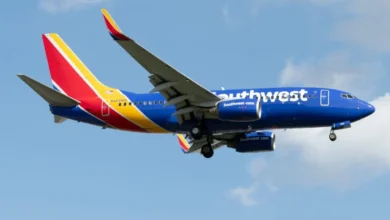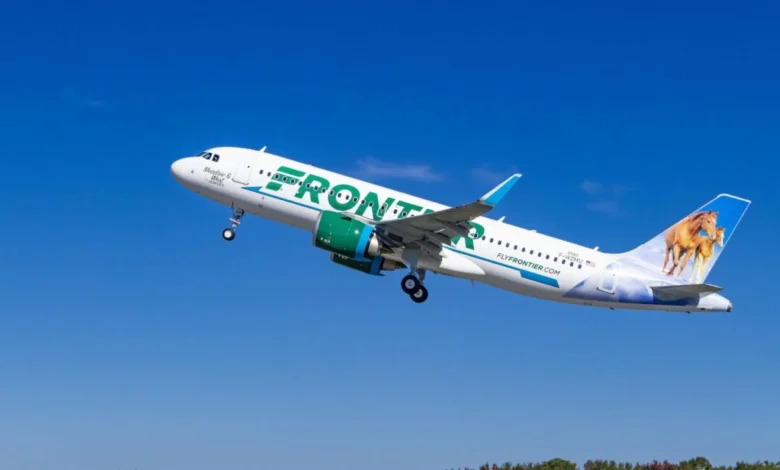
America’s ultra-low-cost carriers are intensifying their lobbying efforts in the nation’s capital, seeking legislative relief from skyrocketing jet fuel prices through a temporary federal tax holiday. Represented by the Association of Value Airlines (AVA), carriers including Allegiant Air, Frontier Airlines, Avelo Airlines, and Breeze Airways have initiated high-level discussions with congressional offices in recent weeks. The proactive stance highlights the mounting financial pressures facing the discount aviation sector, which operates on razor-thin profit margins and relies heavily on affordable ticket prices to stimulate consumer demand.
The push for a federal tax intervention underscores a critical juncture for the domestic travel industry. Jet fuel historically constitutes one of the largest and most volatile variable expenses for commercial airlines, frequently rivaling labor as the single highest operating cost. With global energy markets experiencing sustained turbulence, geopolitical conflicts, and fluctuating refinery capacities, budget carriers find themselves uniquely vulnerable. Unlike legacy network carriers—such as Delta Air Lines, United Airlines, and American Airlines—which often possess diverse revenue streams, extensive long-haul international routes, and sophisticated fuel-hedging programs, ultra-low-cost carriers (ULCCs) operate point-to-point domestic networks. These networks are exceptionally sensitive to per-gallon price spikes, leaving these airlines with limited capacity to absorb sudden cost surges without immediate passenger fare adjustments.
The Chronology of the Pressure: From Market Volatility to Capitol Hill
The genesis of the current lobbying campaign can be traced through a timeline of escalating energy market pressures and shifting post-pandemic travel dynamics. Following the unprecedented disruptions of the COVID-19 pandemic, the U.S. aviation sector experienced a robust recovery driven by pent-up consumer demand for leisure travel. Budget airlines were primary beneficiaries of this resurgence, rapidly expanding their route maps to underserved secondary and tertiary markets.
However, this operational expansion coincided with severe global supply chain bottlenecks and energy market shocks. By the spring of 2022, Brent crude and Gulf Coast jet fuel prices surged to historic highs, driven by geopolitical instability and post-pandemic economic reopening. While passenger demand remained resilient through 2022 and 2023, the compounding effects of persistent inflation, rising labor contracts, and elevated borrowing costs began to erode profit margins.
By late 2023 and into 2024, the financial cushion that sustained discount carriers during the post-pandemic boom had significantly thinned. Recognizing the unsustainable trajectory of fuel expenses, the AVA—acting as the primary collective voice for budget carriers—began formulating a coordinated legislative strategy. In recent weeks, executive leadership from the trade group formally reached out to key members and staff on Capitol Hill, specifically targeting the influential House Transportation and Infrastructure Committee and Senate commerce panels. The core proposal centers on urging lawmakers to consider a temporary suspension or reduction of federal jet fuel excise taxes to provide immediate fiscal breathing room.
Economic Data and Industry Realities
To understand the urgency behind the AVA’s appeal to Washington, one must examine the broader economic landscape of commercial aviation. Jet fuel prices fluctuate continuously based on crude oil benchmarks, refining margins, and seasonal demand. According to data from the U.S. Energy Information Administration (EIA) and the Department of Transportation, jet fuel prices have historically comprised between 20% and 30% of an airline’s total operating expenses. During periods of acute market stress, that share can spike dramatically.
For ultra-low-cost carriers, the challenge is compounded by their business model. ULCCs market themselves on unbundled fares—charging a low base price for a seat and adding ancillary fees for baggage, seat selection, and refreshments. This model stimulates price-sensitive demand, attracting budget-conscious travelers who might otherwise drive or forego travel. When fuel costs rise exponentially, airlines face a difficult dilemma: absorb the costs and watch profit margins evaporate, or pass the expenses onto consumers through higher ticket prices. Raising fares, however, directly undermines the foundational value proposition of the ultra-low-cost carrier, potentially depressing passenger volume and hindering route expansion.
Furthermore, hedging strategies—financial contracts designed to lock in fuel prices at predetermined rates—are rarely utilized by smaller budget carriers to the same extent as their legacy counterparts. Hedging requires significant capital reserves and sophisticated risk-management infrastructure, assets that are less accessible to airlines prioritizing aggressive network growth and low overhead. Consequently, when spot prices for jet fuel climb, ULCCs feel the immediate impact on their balance sheets without the buffer of long-term favorable hedging contracts.
Congressional Response and Political Realities
Despite the urgency communicated by the Association of Value Airlines, initial receptions on Capitol Hill have been tepid. Jonathon Freye, the executive director of the AVA, candidly acknowledged in recent interviews that while discussions have been initiated with several congressional offices, the trade group has yet to receive any concrete indication that lawmakers are actively preparing to draft or consider a jet fuel tax holiday measure.
The House Transportation and Infrastructure Committee, which holds jurisdiction over civil aviation policy, tax matters, and federal infrastructure funding, did not immediately respond to requests for comment regarding the AVA’s proposals.
The political hurdles facing a jet fuel tax holiday are substantial. Federal aviation excise taxes—including levies on commercial jet fuel and passenger tickets—fund the Airport and Airway Trust Fund (AATF). The AATF is the financial bedrock for the Federal Aviation Administration (FAA), supporting air traffic control operations, safety inspections, capital investments in airport modernization, and ongoing technological upgrades such as the NextGen air traffic management system.
Proposing a tax holiday for a specific segment of the airline industry inevitably raises complex budgetary and policy questions for lawmakers. Critics of such measures often argue that diverting or reducing revenues dedicated to the trust fund could compromise aviation safety investments or shift the tax burden onto other sectors of the economy. Additionally, any targeted tax relief for ultra-low-cost carriers would likely face scrutiny from legacy carriers and industry competitors, who might argue that government intervention distorts free-market competition by subsidizing specific business models over others.
Consumer Affordability and Broader Economic Implications
Beyond the direct financial health of the airlines, the AVA is framing its legislative push around a broader theme of consumer protection and economic accessibility. As inflation continues to impact household budgets across the United States, the affordability of domestic air travel has emerged as a significant public concern.
"There’s clearly a sort of concern about the affordability of transportation, and I think for a lot of our customers and the big carriers, too," Freye noted, emphasizing that the economic pressures facing air travelers extend far beyond the balance sheets of the airlines themselves.
For millions of Americans, ultra-low-cost carriers provide essential connectivity to family members, vacation destinations, and economic opportunities that would otherwise be cost-prohibitive. By serving smaller communities and secondary airports, budget airlines play a vital role in regional economic development. When fuel prices drive up the cost of flying, the contraction of affordable capacity disproportionately affects middle- and lower-income travelers, potentially dampening domestic tourism and regional commerce.
However, economists and policy analysts remain divided on whether tax holidays are an effective or appropriate mechanism for addressing structural energy price volatility. Proponents argue that temporary tax relief can act as a crucial shock absorber during unprecedented macroeconomic events, preventing widespread financial distress and preserving airline jobs and consumer choice. Conversely, opponents contend that tax holidays are often difficult to repeal once enacted, create market distortions, and fail to address the root causes of energy price spikes, which are tied to global supply and demand fundamentals rather than domestic tax policy.
Outlook for the Aviation Sector
As the legislative session progresses, the Association of Value Airlines faces an uphill battle in translating its economic concerns into actionable policy in Washington. With Congress currently grappling with a packed agenda that includes federal appropriations, infrastructure oversight, and broader economic legislation, securing dedicated attention for a niche aviation tax holiday will require sustained advocacy and broader coalition-building.
For now, ultra-low-cost carriers must continue navigating the volatile energy markets through internal cost-management strategies, schedule adjustments, and careful fare management. Whether lawmakers ultimately decide to engage with the industry on the question of fuel taxation remains to be seen, but the push by the AVA highlights the persistent fragility of low-cost operating models in an era of unpredictable global energy costs. The coming months will test the resilience of America’s budget carriers as they balance the demands of growth, consumer affordability, and macroeconomic headwinds on the horizon.
Related posts: