TED-Ed Launches Educator Talks Initiative to Amplify K-12 Classroom Innovation and Professional Development Worldwide

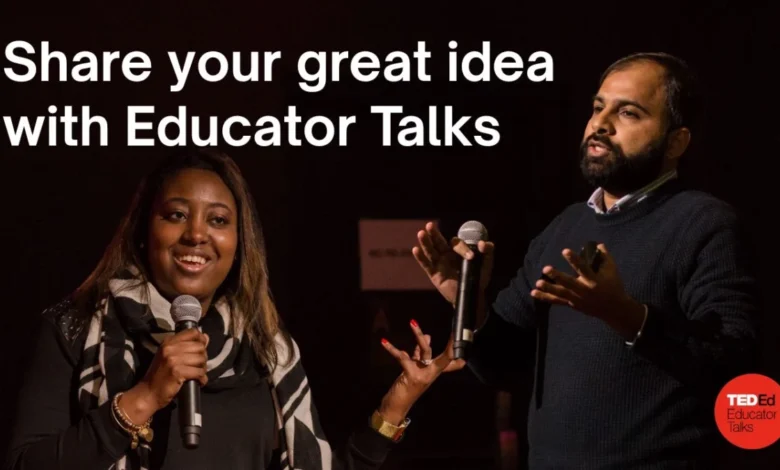
TED-Ed, the youth and education initiative of the global non-profit organization TED, has officially unveiled Educator Talks, a free professional development program designed to empower K-12 teachers, school leaders, and education innovators. The initiative seeks to bridge the gap between classroom-level insights and global educational discourse by providing educators with the tools, training, and platforms necessary to develop and share their most transformative ideas. Grounded in the belief that those on the front lines of education possess the most potent solutions for modern learning challenges, the program offers a structured pathway from initial concept to public presentation.
The launch comes at a critical juncture for the global education sector, which is currently grappling with rapid technological shifts, evolving student well-being needs, and a heightened focus on inclusive pedagogy. By institutionalizing a pipeline for educator-led thought leadership, TED-Ed aims to ensure that the future of education is shaped by practitioners rather than solely by external policy-makers. The program is structured around a multi-stage developmental process, beginning with interactive workshops and culminating in global exposure through TED’s extensive digital networks.
The Framework of Educator-Led Innovation
The core philosophy of Educator Talks is rooted in the concept of the "spark"—the unique, often quiet, classroom insights that have the potential to change educational outcomes if shared effectively. Unlike traditional professional development (PD) models that often focus on top-down administrative training, Educator Talks emphasizes the "bottom-up" sharing of lived experience. The program is designed to help educators identify these sparks and refine them into "ideas worth sharing," a hallmark of the TED brand.
The experience is anchored by the Idea Workshop, a one-hour virtual and interactive session. During this initial phase, participants are introduced to the storytelling frameworks that have made TED Talks a global standard for communication. The workshop guides educators through the process of making complex ideas memorable, identifying the "core" of their message, and understanding the needs of a diverse audience. By focusing on narrative structure and clarity, the program helps educators translate their daily successes and challenges into coherent strategies that can be adopted by peers worldwide.
Following the initial workshop, the program provides a suite of high-impact resources. These include access to TED’s Official Public Speaking Course, which focuses on building the confidence and rhetorical clarity necessary for public advocacy. Furthermore, the initiative establishes a global online community of practice. This digital ecosystem allows educators from different continents and socio-economic backgrounds to exchange feedback, peer-review ideas, and foster cross-cultural collaborations. This communal aspect is intended to combat the isolation often felt by teachers and to create a sense of professional agency on a global scale.
Chronology of the Educator Development Journey
The path from classroom teacher to global thought leader within the Educator Talks framework follows a specific chronological sequence designed to maximize the impact of the shared message.
- Identification and Registration: Educators currently active in the K-12 space identify a specific practice, belief, or strategy they wish to amplify. They register for the Idea Workshop to begin the formalization process.
- The Idea Workshop Phase: Participants attend the virtual session to learn the mechanics of TED-style storytelling. This phase focuses on the "what" and "why" of their idea, ensuring it is grounded in evidence and experience.
- Skill Acquisition: Upon completion of the workshop, educators gain access to the public speaking curriculum. Over several weeks, they refine their delivery, pacing, and visual aid integration.
- Community Integration: Educators join the global community of practice. Here, they share drafts of their talks or curriculum ideas, receiving critiques from a diverse pool of international colleagues.
- Platforming and Scaling: Successful participants are encouraged to organize or speak at local TEDx events. These independently organized events serve as a springboard, often leading to their talks being featured on the official TED-Ed Educator Talks YouTube channel, where they can reach millions of viewers.
Supporting Data and the State of Professional Development
The necessity for programs like Educator Talks is supported by growing data regarding teacher retention and professional satisfaction. According to recent surveys by the National Education Association (NEA), a significant percentage of educators cite a lack of professional autonomy and "voice" in policy decisions as a primary driver of burnout. Traditional professional development is often viewed as a "check-the-box" exercise; however, research from the Learning Policy Institute suggests that effective PD must be collaborative, job-embedded, and focused on the specific needs of the local learning community.
Furthermore, the reach of TED-Ed itself provides a massive built-in audience for these ideas. With over 19 million subscribers on its primary YouTube channel and billions of views across its platform, TED-Ed has established itself as one of the most influential educational publishers in the world. By carving out a specific space for Educator Talks, the organization is leveraging its existing infrastructure to elevate the status of the teaching profession. Data from the TED-Ed platform indicates that content created or inspired by actual classroom teachers often sees higher engagement rates among fellow educators, as the material is perceived as more authentic and practical.
Official Objectives and Logically Inferred Reactions
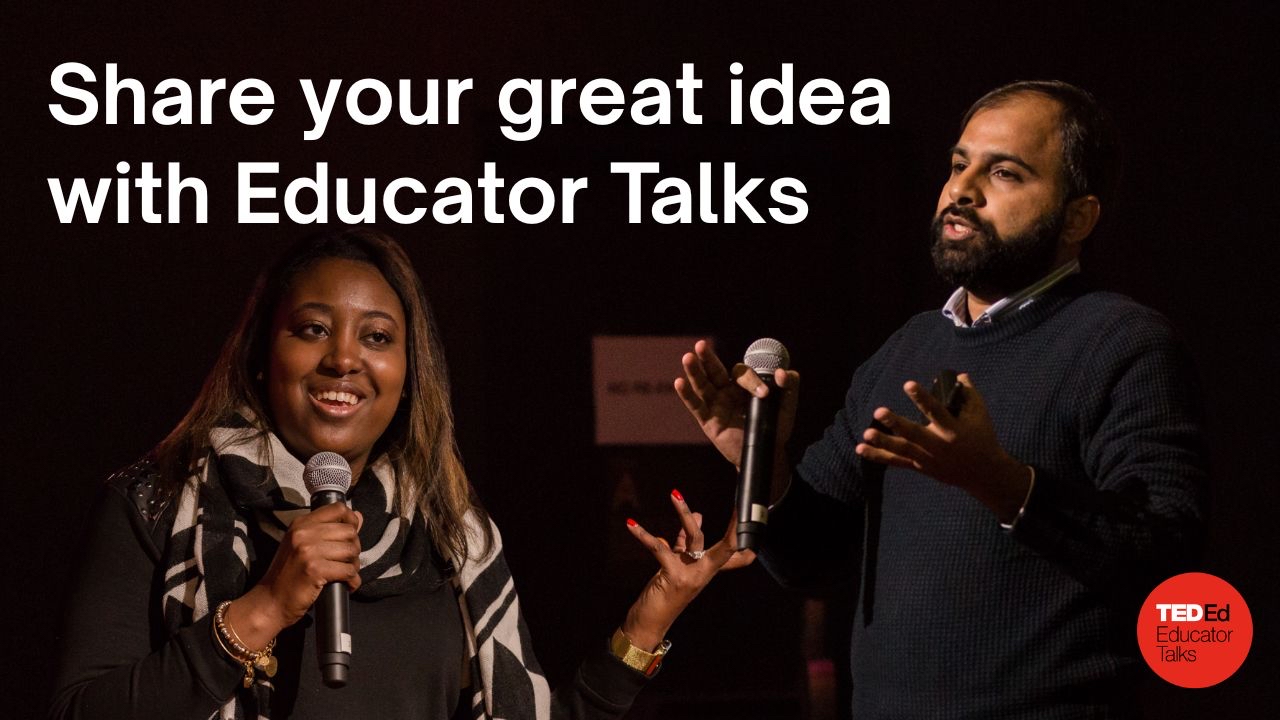
While official statements emphasize the program’s role in "strengthening the educator’s voice," the broader objective is clearly the democratization of educational expertise. A spokesperson for the initiative indicated that the program is designed not just for the stage, but for "every place where ideas shape learning," including staff meetings, parent-teacher conferences, and community leadership roles.
Inferred reactions from the educational community have been largely positive, particularly regarding the program’s accessibility. Because the resources are free, the program removes the financial barriers that often prevent teachers in underfunded districts from accessing high-level communication training. School administrators are also expected to view the program as a low-cost, high-yield method for fostering leadership within their buildings. By encouraging teachers to become "innovators," schools can improve their internal culture and showcase their unique educational strengths to the broader community.
However, some educational analysts suggest that the challenge will lie in the implementation of these ideas. While a talk can inspire, the systemic changes required to implement new inclusion strategies or well-being practices often require administrative backing and budget reallocations. The "Educator Talks" program addresses this by encouraging participants to involve their local TEDx communities, thereby building local support networks for their ideas.
Analysis of Broader Impact and Implications
The launch of Educator Talks signals a shift in the global educational landscape toward what might be termed "the era of the teacher-influencer." As social media and digital platforms become primary sources of information, the ability of educators to communicate effectively in these spaces is becoming as important as their ability to manage a classroom.
The implications of this shift are twofold. First, it elevates the prestige of the teaching profession. By placing educators on the same platform as scientists, tech moguls, and world leaders, TED-Ed is making a profound statement about the intellectual value of pedagogical expertise. This could play a role in attracting new talent to a field that has seen declining enrollment in teacher-preparation programs in several Western nations.
Second, the program creates a "living library" of educational innovation. As more talks are added to the Educator Talks channel, it becomes a repository of real-world solutions for contemporary problems. If a teacher in rural India develops a successful method for teaching digital literacy with limited resources, that method can now be discovered and adapted by a teacher in urban Chicago within days. This "open-source" approach to pedagogy has the potential to accelerate the pace of educational reform far faster than traditional academic publishing or governmental policy cycles.
In an era defined by rapid change and "disruption," the Educator Talks initiative provides a stabilizing force: the grounded, practical wisdom of those who spend their days with the next generation. By providing the space, tools, and audience, TED-Ed is ensuring that the most important conversations about the future of learning are led by the people who understand it best.
Engaging with the Initiative
TED-Ed has made the program accessible to a wide range of stakeholders within the K-12 ecosystem. For active educators, the primary point of entry remains the Idea Workshop, which is scheduled periodically to accommodate different time zones. For those outside the direct teaching profession—such as parents, students, and community members—the organization encourages the sharing of program information with local schools to ensure that talented but hesitant educators are aware of the opportunity.
As the program grows, it is expected to influence not only how teachers talk about their work but how society views the role of the educator. No longer seen merely as "deliverers" of curriculum, the participants in Educator Talks are positioning themselves as the architects of the modern intellectual landscape. The initiative stands as a testament to the idea that while every educator has a spark, it is the collective light of these ideas that will ultimately illuminate the path forward for global education.
Related posts: