Real estate markets across the United States have long debated the financial wisdom of major home renovations, with few exterior projects generating as much discussion as roof replacements. Homeowners frequently grapple with the question of whether investing tens of thousands of dollars into an upgraded roofing system will genuinely translate to a higher selling price, improved appraisal figures, or a faster transaction. Industry data, economic evaluations, and insights from seasoned residential contractors indicate that while a new roof indisputably enhances marketability and structural confidence, the direct financial return is nuanced and depends heavily on pre-existing conditions, material selection, and regional real estate dynamics.
The primary financial metric surrounding this home improvement project revolves around cost versus actual value recovery. According to national real estate and construction benchmarks, replacing an aging asphalt-shingle roof carries an average price tag of approximately $31,871. When homes go to market following this upgrade, the estimated increase in resale value hovers around $21,501, allowing homeowners to recoup roughly 67.5% of their initial capital outlay directly through the sale price. While this figure demonstrates that sellers rarely recover a full dollar-for-dollar return on paper, industry experts emphasize that raw appraisal metrics fail to capture the broader strategic advantages of a secure, modern roofing system during a real estate transaction.
To fully understand the implications of a roof replacement, one must examine the chronological progression of a roof’s lifecycle and its shifting role over time. During the first decade of a standard architectural shingle roof, maintenance is typically minimal, and the installation serves primarily to protect the interior envelope of the home while maintaining basic curb appeal. As the roof enters its second decade, wear and tear from seasonal weather patterns, UV exposure, and moisture accumulation begin to take a toll. Granule loss, minor leaks, and localized curling of shingles frequently appear between years fifteen and twenty. Once a roof passes the twenty-year threshold, the risk of structural compromise, hidden moisture damage, and widespread failure increases exponentially, transforming the roof from a passive architectural element into a critical negotiation point during a home sale.
Real estate professionals and general contractors frequently encounter transactions where an aging roof becomes the single largest obstacle to closing a deal. Mark Mueller, founder of Mueller Builders, highlights the psychological and logistical relief a new roof provides to prospective purchasers. A new roof significantly enhances a home’s market appeal by eliminating one of the most daunting inspection hurdles for potential buyers, Mueller explains. Beyond immediate curb appeal, a modern roofing system offers buyers peace of mind regarding long-term structural integrity, and replacing an aging roof frequently prevents price concessions and helps homes sell much faster.
The evolution of modern manufacturing has also transformed the longevity expectations associated with these projects. Jordan Phillips, President of Liberty Home Remodeling, points out that advancements in building science have significantly extended the operational lifespan of residential roofs. With today’s roofing technologies, many new roofs can last forty to fifty years, making a roof replacement arguably one of the most valuable long-term improvements a homeowner can make, Phillips notes.

Material selection further dictates how much value an installation imparts to a property. Ken Girard, President of Apex Exteriors, emphasizes that buyers actively evaluate the quality of the materials used when assessing a home’s worth. A new architectural asphalt shingle roof may give a buyer peace of mind knowing they likely won’t need to replace it for twenty or more years, Girard states. Meanwhile, higher-end materials, such as composite polymers or standing seam metal roofing, offer even longer expected lifespans and superior architectural distinction, which can help set a property apart both online and in person, especially on homes where a significant portion of the roof is visible from the street.
Conversely, failing to address a compromised roof can trigger severe financial penalties during the negotiation phase. Girard notes that an aging roof can have the exact opposite effect of an upgrade, as savvy buyers routinely factor the estimated cost of a future replacement into their initial offers. In many cases, prospective buyers will discount their purchase offers well beyond the actual cost of a professional replacement to account for the perceived hassle and risk of managing a major construction project immediately after purchasing a home. Furthermore, standard home inspections almost invariably scrutinize roof conditions, leading to potential purchase contract cancellations, demands for expensive seller-paid credits, or lowered appraisal valuations if structural deficiencies are uncovered.
When evaluating how a new roof interacts with official home appraisals, licensed appraisers view the roof as one component of the property’s overall condition rather than an isolated feature that adds a fixed dollar amount to the final valuation. During a comprehensive property assessment, an appraiser weighs factors such as square footage, location, recent comparable market sales, and the general state of maintenance. If a roof exhibits advanced deterioration, active leaks, or sagging structural deck components, those negative factors depress the overall condition rating of the home. Replacing the roof rectifies these deficiencies, elevating the property’s baseline condition score, but the measurable impact on the final appraised value will vary depending on regional market conditions and the comparative value of neighboring homes. Consequently, real estate analysts advise against replacing a roof solely for the purpose of driving up an appraisal if the existing system is still structurally sound and free of leaks.
Homeowners weighing their options prior to listing a property must carefully analyze whether a full replacement, a partial repair, or no action at all represents the most prudent financial strategy. Minor cosmetic imperfections, such as a handful of cracked or curling shingles, can typically be resolved through targeted spot repairs at a minimal cost, provided the replacement materials match the existing color and style. Localized water stains or minor leaks in a single roof plane may warrant a partial re-roofing procedure, though building experts caution that this approach can only be performed a limited number of times before a full tear-off becomes mandatory.
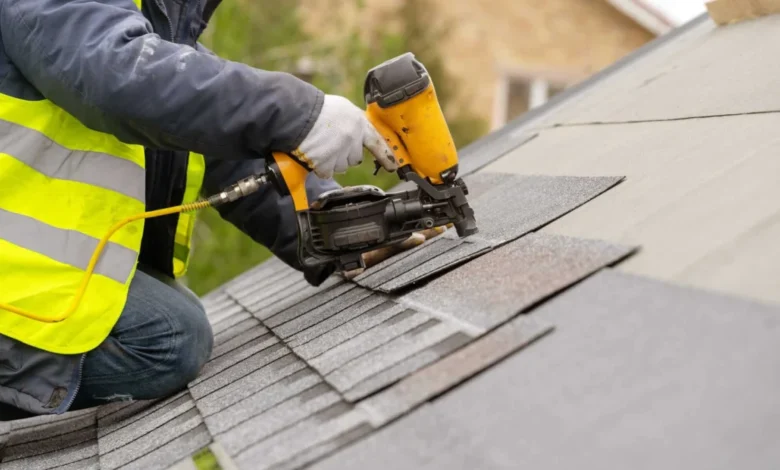
When a roof reaches twenty years of age, displays widespread structural sagging, or sheds excessive granules into the gutter systems, a full replacement—either via a complete tear-off of old layers or an overlay, depending on local building codes and structural capacity—becomes the recommended course of action. Standard replacement costs in 2026 generally range between $4 and $11 per square foot, translating to total project expenditures of $8,000 to $30,000 for the vast majority of single-family residences, with premium materials like slate, clay tile, or heavy-gauge metal pushing costs even higher. Final pricing is dictated by the total square footage of the roof plane, the complexity and steepness of the architectural design, and prevailing regional labor rates.
Ultimately, the decision to invest in a new roof before entering the housing market requires a calculated balance between upfront capital expenditure, potential market friction, and expected returns. While a new roof may not yield a 100% financial return on paper through the final sale price, its true value lies in risk mitigation. By eliminating pre-inspection anxieties, boosting exterior curb appeal, and presenting a turnkey property to prospective buyers, a professionally installed roofing system safeguards the transaction timeline and protects the seller from disproportionate price reductions during negotiations. Homeowners are advised to seek professional evaluations from licensed roofing contractors and consult local real estate agents to assess neighborhood buyer expectations before committing to a major capital investment.