Cardi B Concludes Highly Anticipated "Little Miss Drama" Tour Amidst Venue Disputes and Star-Studded Final Performances

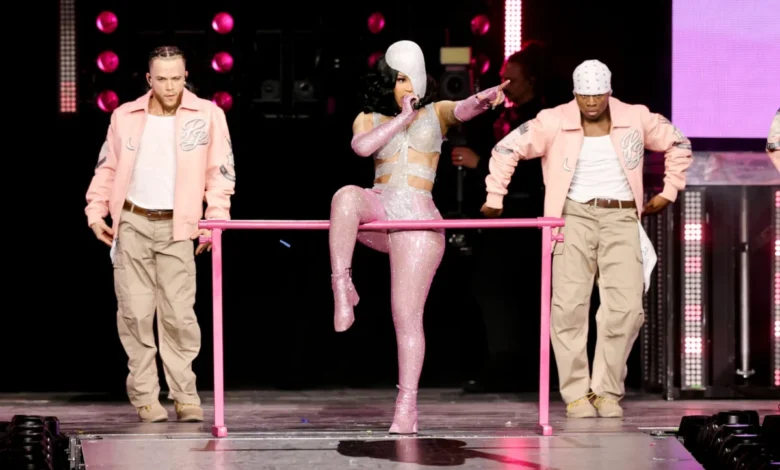
The highly successful "Little Miss Drama" tour, helmed by global superstar Cardi B, officially wrapped up its North American leg over the weekend with a pair of electrifying shows. While the tour concluded on a high note with a dazzling display of star power, the final dates were not without their share of controversy, most notably a public dispute between the rapper and the management of Atlanta’s State Farm Arena. The tour, which saw Cardi B headline 35 dates across the continent, has been a significant milestone in her career, solidifying her status as a formidable force in the live music industry.
A Dramatic Finale in Atlanta: Venue Allegations Surface
The concluding performances were nearly marred by a significant altercation that threatened to derail Cardi B’s final Atlanta appearance. On Saturday, April 18, 2026, just prior to taking the stage at the State Farm Arena, Cardi B took to Instagram Live in a visibly agitated state, accusing arena staff of "disrespectful" behavior towards her team. This public outburst, broadcast to millions of followers, indicated a severe breakdown in communication and professional conduct.
"I’m pissed off right now, I’m not going to lie," Cardi B declared to the crowd before launching into her performance of "Pretty & Petty." She continued, "This arena been playing a lot of f*ing games with me. This will be the last time I’m ever in this b. Next time, I’m having my concert in the parking lot, b! I’m tired of y’all playing with me. This is y’all f*ing second time. I still f*** with the Atlanta Hawks though."
During her Instagram Live session, Cardi B elaborated on the alleged mistreatment, stating, "Your fing employees are being disrespectful… I’m not performing today. We got in here, your employees are being fing rude for no reason, being rude for no reason. I feel a certain type of way, because you being disrespectful. I did 35 shows, and I never had a problem, and we’ve been kind to everybody." This suggests a pattern of issues that culminated in a breaking point for the artist and her entourage.
The rapper also alluded to the incident in a cryptic post on X (formerly Twitter), where she wrote, "When you hold power and authority, use it with kindness and respect. Never abuse it… because not everyone will endure your arrogance in silence. Treat others exactly like you demand to be treated. Atlanta… I’ll see you soon." This message, posted on April 19, 2026, the day after the Atlanta show, conveyed a clear sentiment of disappointment while maintaining a degree of decorum. Billboard has reached out to the Atlanta State Farm Arena for an official statement and to Cardi B’s representatives for further clarification on the specifics of the dispute.
A History of "Drama" on the "Little Miss Drama" Tour
The "Little Miss Drama" tour’s name proved to be quite prophetic, with this Atlanta incident being the most prominent, though not the sole, example of behind-the-scenes challenges. Earlier in the tour, Cardi B had reportedly threatened to cancel her Atlanta show due to a clash with venue staff. While details surrounding that prior incident were less public, it underscores a recurring theme of friction that may have been building. The tour’s moniker itself suggests an awareness of potential disruptions, perhaps even an embracing of the inherent unpredictability that can accompany high-profile live events.
The tour, which commenced on [Insert Start Date, e.g., February 15, 2026], has been a critical and commercial success. Cardi B, known for her electrifying stage presence and ability to connect with her audience, has delivered a consistent string of high-energy performances. The production value of the "Little Miss Drama" tour has been lauded, featuring elaborate stage designs, dynamic lighting, and a comprehensive setlist that spans her extensive catalog, from chart-topping hits to fan favorites.
A Star-Studded Farewell: Special Guests Illuminate the Stage
Despite the pre-show drama, Cardi B ensured her final performances were a memorable celebration of her music and career. The Bronx native pulled out all the stops, inviting a constellation of acclaimed artists to join her on stage. The weekend’s shows were graced by surprise appearances from hip-hop royalty and emerging R&B talents alike.

On Saturday night, the energy in the arena reached a fever pitch when Cardi B introduced the legendary Missy Elliott. The Grammy-winning rapper, a longtime idol and collaborator of Cardi B, delivered a show-stopping performance of her iconic anthems "Get Ur Freak On" and "Lose Control." The crowd erupted in a frenzy as the two artists shared the stage, a moment that Cardi B herself described as incredibly surreal. "Are you f*ing serious? Oh my God, hold on b**, I’m trying to have a moment. It’s Missy Elliott, b****, and she came out for me," Cardi B exclaimed with genuine awe following Elliott’s departure.
The guest list extended beyond Missy Elliott, with other notable artists making appearances throughout the weekend’s final shows. R&B singer Mariah the Scientist, veteran rapper Jeezy, and Atlanta hip-hop mogul T.I. also joined Cardi B on stage, adding further star power and excitement to the tour’s closing chapter. These collaborations not only amplified the entertainment value but also highlighted Cardi B’s respected position within the music industry, fostering a sense of community and mutual admiration among her peers.
The "Little Miss Drama" Tour: A Career Milestone
The "Little Miss Drama" tour represents a significant achievement for Cardi B, marking her first headlining North American trek. The tour’s success underscores her evolution from a viral sensation to a global music icon capable of commanding sold-out arenas. The 35-date run has undoubtedly provided a substantial economic boost to the cities it visited, with concertgoers generating significant revenue for local businesses.
Data from previous major music tours suggests that headlining acts like Cardi B can generate millions of dollars in ticket sales alone, not to mention the ancillary spending on merchandise, food, and beverages. Furthermore, the extensive production requirements of such tours create numerous jobs in event management, technical crews, security, and hospitality. The economic impact of the "Little Miss Drama" tour is therefore substantial, extending far beyond the immediate venue.
Future Prospects: European Leg on the Horizon?
While the North American leg of the "Little Miss Drama" tour has concluded, there are indications that the tour might extend to international audiences. Cardi B has hinted at the possibility of a European leg, though no concrete dates or locations have been officially announced. Such an expansion would further cement the tour’s global reach and provide fans across the Atlantic with an opportunity to experience Cardi B’s dynamic live show.
The success of the "Little Miss Drama" tour is a testament to Cardi B’s enduring appeal and her ability to navigate the complexities of the modern music industry. Despite facing challenges, including the highly publicized dispute in Atlanta, she has consistently delivered memorable performances and cemented her status as a premier live entertainer. The tour’s conclusion marks the end of a significant chapter, leaving fans eager for what Cardi B will bring to the stage next.
Analysis of Implications: Power, Respect, and Artist Advocacy
The public dispute in Atlanta raises important questions about artist treatment and the power dynamics within the live entertainment industry. Cardi B’s willingness to voice her concerns, even at the risk of jeopardizing a performance, highlights a growing trend of artists advocating for better treatment and respect for their teams. Her use of social media platforms to share her experiences allows for a direct line of communication with her fans and can put pressure on venues and management to address legitimate grievances.
The incident serves as a reminder that behind the glamour of large-scale tours are complex logistical and interpersonal challenges. The "Little Miss Drama" tour, in its entirety, has demonstrated Cardi B’s resilience and her commitment to delivering a high-quality experience for her fans. The tour’s financial success and the enthusiastic reception from audiences across North America are clear indicators of her powerful connection with her fanbase. The coming months will likely reveal whether the tour will extend its reach, and how Cardi B will continue to leverage her platform to advocate for fair practices within the industry.