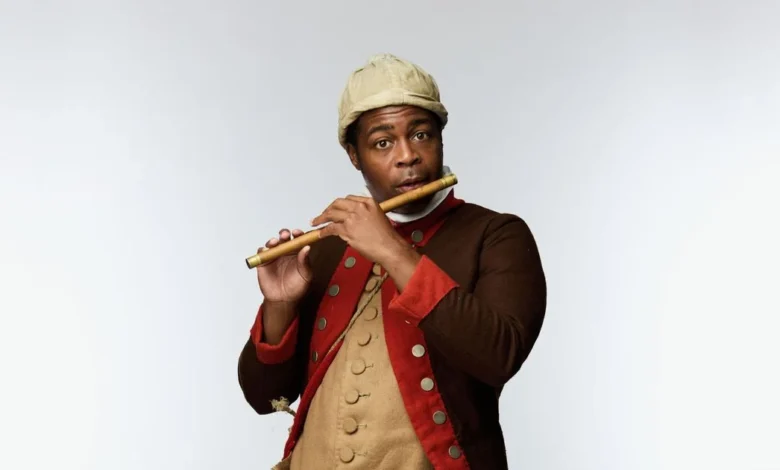
The commemoration drew a diverse assembly of historical interpreters, descendants, and history enthusiasts, all seeking to bridge the gap between modern New York City and the pivotal conflict that nearly extinguished the American cause in its infancy.
The Historical Significance of August 1776
To understand the gravity of the scene, one must look back to August 27, 1776. Following the British landing at Gravesend Bay, General George Washington’s Continental Army was caught in a precarious position. British forces, led by General William Howe, executed a flanking maneuver through the Jamaica Pass, catching the Americans off guard.
The ensuing chaos led to the defeat of the Continental Army, which found itself trapped against the East River. Only a miraculous, clandestine evacuation under the cover of fog and darkness—orchestrated by Washington—prevented the total capture of the American command and the potential early termination of the revolution. Green-Wood Cemetery, situated on the high ground of Battle Hill, serves as a hallowed site where many of the skirmishes occurred, making it the epicenter of annual remembrance.
Voices from the Field: The Human Element of History
The reenactment was not merely a display of tactical drills; it was an exercise in historical empathy. Participants, ranging from lifelong enthusiasts to educators, highlighted the complex realities of the conflict.
Steven Thomas, a business owner from Pennsville, New Jersey, has been involved in fife and drum corps since childhood. His presence at the 2026 commemoration served a specific educational purpose: highlighting the often-overlooked roles of Black soldiers and musicians in the Continental Army.
"There is no army without communication," Thomas explained. "People often dismiss the role of drummers as mere ‘drummer boys,’ but the reality is much harsher. These individuals, many in their late teens or twenties, were performing vital operational tasks under direct enemy fire. It was a high-stakes, high-pressure environment that required immense composure."
The inclusion of the First Rhode Island Regiment reenactors underscored a broader movement in historical preservation: the push to acknowledge the contributions of underrepresented groups. Kevin Chapman, a tech sales representative from Pennsylvania, noted the emotional weight of his role. "There is trauma in donning this uniform, but it is necessary to honor our ancestors," Chapman said. "Approximately one in ten soldiers in Washington’s Army were Black. By participating, we claim our place in the nation’s formation."
The Logistics of Reenactment
For the participants, the line between performance and reality can blur during the heat of the day. Michael Deller, a history teacher from Danbury, Connecticut, described a moment during the tactical demonstration where the simulation felt startlingly authentic.

"After our march onto the field, our platoon retreated and became disorganized," Deller recalled. "Between the physical exertion and the chaos of the movement, the adrenaline felt very real. It wasn’t the danger of actual combat, but you get a fleeting sense of what it must have been like to operate in that environment."
This sentiment was echoed by others who have dedicated years to the craft. George Tonkin, a retired park ranger from Bay Ridge, offered a more pragmatic perspective, noting that even amidst the gravity of the history, the day remained anchored in the mundane reality of long hours on one’s feet, punctuated by the simple necessity of lunch—a testament to the human endurance required both then and now.
A Living Museum: The Role of Ancestry
For many attendees, the event was deeply personal. Michelle Graves, a flight attendant from Newark, is a member of the Daughters of the American Revolution and views her participation as an act of genealogical detective work. "I have more than 30 patriots in my ancestry," she said. "I intend to prove as many as I can. Being here is about more than just the battle; it’s about reconnecting with a legacy that was almost lost."
The dedication of these individuals has transformed the Battle of Brooklyn into a focal point for public history. The cemetery, in partnership with local historical societies, uses these events to teach the public that history is not a static set of dates, but a living dialogue.
Broader Implications and Historical Memory
The 250th anniversary arrives at a time when New York City is undergoing a massive re-evaluation of its colonial past. The implications of the Battle of Brooklyn extend beyond the military defeat. It was a moment of profound psychological transition for the nascent United States. The defeat solidified the reality that the war would be a long, grueling struggle rather than a quick political resolution.
Historians argue that the preservation of such sites as Green-Wood Cemetery is essential for urban centers that are constantly erasing their past in favor of development. By maintaining the terrain where the Battle of Brooklyn took place, the city preserves a tangible link to the founding principles and the tactical failures that ultimately informed the later successes of the American military.
Looking Toward the Future
The event concluded with a solemn reflection on the sacrifices made by both sides. As the reenactors packed their gear and the sun set over the Brooklyn skyline, the juxtaposition of the colonial uniforms against the backdrop of the modern metropolis served as a poignant reminder of the passage of time.
The organizers of the 2026 commemoration emphasized that the goal is not merely to celebrate a victory—which, in the case of the Battle of Brooklyn, was actually a defeat—but to foster a deeper understanding of the complexities of the American experience. As the nation prepares for further semicentennial celebrations, the dedication of groups like the First Rhode Island Regiment and individuals like Michael Deller ensures that the story of 1776 remains vibrant, inclusive, and, above all, remembered.
By keeping these narratives alive, the current generation of historical interpreters ensures that the "Battle of Brooklyn" remains a cornerstone of the New York City identity—a story of resilience, loss, and the enduring effort to define what the American nation truly represents. As the crowds dispersed, the quiet of the cemetery returned, leaving behind a profound sense of continuity between the soldiers who stood on that ground two and a half centuries ago and the citizens who walk its paths today.