The landscape of digital content ownership and search engine accountability has shifted dramatically following a high-stakes legal challenge filed on November 2, 2026. The New York Times Company, alongside a coalition of major publishers including the Daily News, the Chicago Tribune, and the Orlando Sentinel, has initiated a series of lawsuits against Brave Software. At the heart of the dispute is the allegation that Brave has systematically scraped, stored, and commodified more than 30 billion webpages—not merely for the purpose of traditional search indexing, but to supply AI companies with proprietary data via its Brave Search API.
This legal maneuver represents a significant escalation in the ongoing tension between publishers and the architects of generative AI. While search engines have historically operated under the implicit agreement that crawling and indexing content is a fair trade for referral traffic, the monetization of this data for AI model training and retrieval-augmented generation (RAG) has created a new, contentious legal frontier.
The Mechanism of the Alleged Infringement
Brave Search provides an API that allows artificial intelligence companies to access its vast repository of indexed web data. This service, marketed as a robust data source for AI assistants, effectively bypasses the traditional requirement for AI companies to crawl the web independently. According to the complaint filed by The New York Times, Brave’s index is being leveraged by major players in the AI sector, including Anthropic, Perplexity, Mistral, xAI, and Cohere.
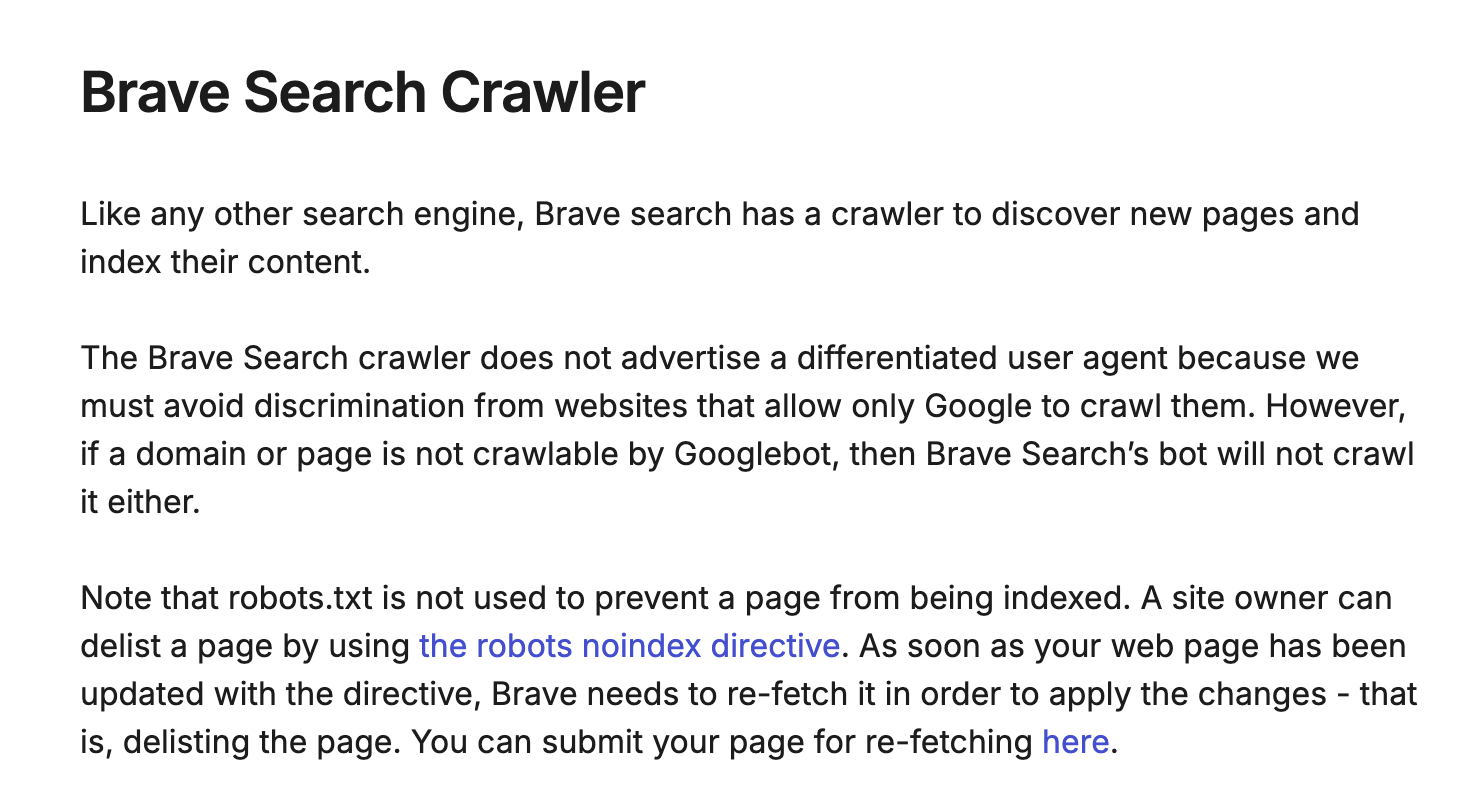
The core of the legal objection lies in the manner in which Brave gathers this data. The plaintiffs argue that Brave operates its crawlers in a way that intentionally obscures their identity, thereby depriving website owners of the ability to distinguish between a standard search engine indexer and a tool designed to feed AI models. Unlike companies such as OpenAI or Anthropic, which provide transparent lists of their user agents, Brave’s crawler does not advertise a differentiated identity. By effectively hiding its presence, the company has made it impossible for site administrators to block its access through standard robots.txt protocols without also blocking Googlebot, a move that would be commercially devastating for most publishers.
Chronology of the Conflict
The friction between publishers and Brave is not a recent development. The timeline of this confrontation reveals a pattern of deepening mistrust:
- 2023: Brave publishes documentation regarding its integration with Anthropic, acknowledging that its index is being used to support the training and search capabilities of the Claude AI model.
- March 2025: Anthropic officially designates Brave Search as a subprocessor, solidifying the relationship. Independent researchers, such as developer Simon Willison, verify that results generated by Claude align exactly with Brave’s search results, confirming the reliance on the index.
- July 2026: Following a series of cease-and-desist letters from News Corp, a legal standoff emerges. Brave proactively sues to protect its indexing practices, while News Corp countersues, alleging that Brave utilizes deceptive crawling practices to bypass publisher controls.
- November 2, 2026: The New York Times and several other major media outlets file a comprehensive lawsuit in federal court, alleging copyright infringement and the unauthorized bypass of paywalls to fuel the AI data economy.
Technical Implications of the "Ghost" Crawler
The technical architecture of the web relies on the robots.txt file, a standard that has governed the relationship between websites and automated scrapers for decades. By refusing to adopt a unique, identifiable user agent, Brave has positioned itself in a "binary" trap. Website owners are presented with an ultimatum: permit both Google—the primary source of organic search traffic—and Brave, or permit neither.
Brave has defended this approach on its help pages, suggesting that because many websites already permit Google to crawl their content, Brave should be afforded the same access. However, the publishers argue that there is a fundamental difference between a search engine that directs users to the source and an AI tool that extracts, summarizes, and serves "page chunks" to users. This process, often referred to as "LLM Context," provides AI companies with data in a format that eliminates the need for further scraping, effectively turning the publisher’s own work into a product that replaces the need to visit the original website.
Data Monetization and the AI Supply Chain
The Brave Search API serves as an intermediary in the AI supply chain. For companies like Perplexity or Mistral, building an index from scratch is an extraordinarily capital-intensive endeavor. By paying for access to Brave’s 30-billion-page index, these companies can focus their resources on model architecture rather than data acquisition.
The legal complaint highlights that this data is not merely being used for indexing but is being packaged into a "shape and length" specifically designed to satisfy the requirements of Large Language Models (LLMs). This is the pivot point of the legal argument: is the act of reformatting copyrighted content for the explicit purpose of AI consumption a "transformative" use, or is it a direct violation of copyright laws designed to protect intellectual property from being repurposed for commercial gain?
Industry Reactions and Potential Precedents
As of the date of these filings, Brave Software has remained largely silent regarding the specific allegations of the recent New York Times suit. However, the industry reaction has been polarized. Supporters of open search argue that Brave is providing a vital service that democratizes access to the web, preventing a search monopoly by larger tech conglomerates. Conversely, publishers and legal scholars argue that the current model of "indexing" is being exploited to facilitate a new form of digital piracy.
The outcome of this litigation is expected to have far-reaching consequences for the digital ecosystem. If the courts rule in favor of the publishers, search engines and AI companies may be forced to adopt universal, transparent standards for crawler identification. This would empower content creators to granularly manage who uses their data for AI training versus who uses it for traditional search discovery.
Analysis: The Future of Web Visibility
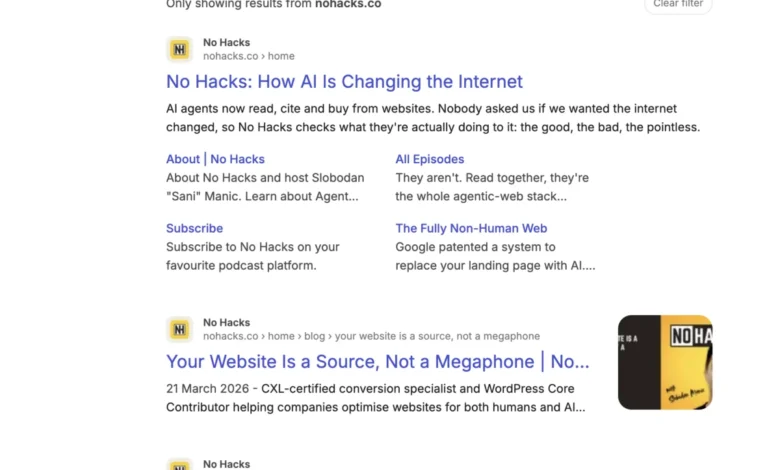
The implications of this case extend to every website owner currently appearing in search results. A simple audit, using the site: operator on the Brave search engine, reveals the extent to which most modern websites are already part of this AI-ready index. The fact that Brave’s cache often reflects outdated metadata or older versions of webpages confirms that the index acts as a static repository rather than a live reflection of the web.
The ongoing lawsuit highlights a critical blind spot in the current internet governance model. As AI technology continues to integrate into search interfaces, the line between "search" and "content generation" has become increasingly blurred. The courts must now decide whether a search indexer has the inherent right to act as a wholesale provider of training data for third-party AI models without explicit, opt-in consent from the original content creators.
Whether or not the courts will demand that Brave provide a specific mechanism to opt out of its AI-focused index without sacrificing organic search traffic remains to be seen. However, the legal pressure being applied by major media institutions signals that the era of "passive compliance" with search engine scraping is effectively over. The outcome of this case will likely define the legal parameters of AI data acquisition for the next decade, setting a standard that will affect not only search engine operators but every stakeholder in the digital publishing economy. As the proceedings move forward, the tech industry, legal experts, and content creators alike will be watching closely to see if the traditional model of web navigation can coexist with the rapidly evolving demands of the AI era.