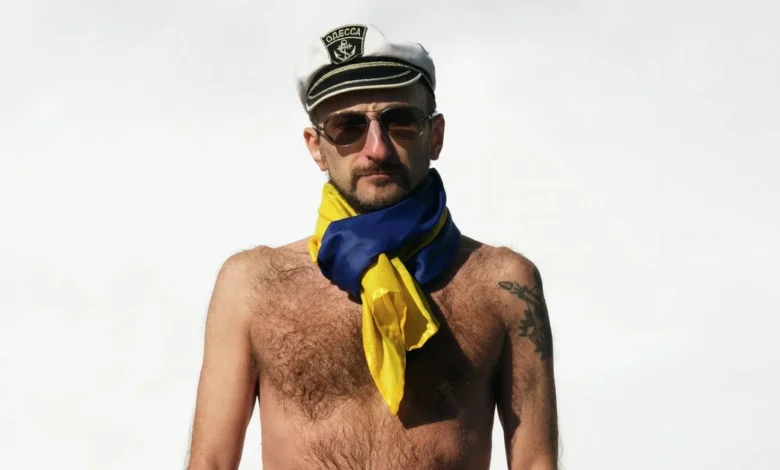
On a crisp November morning, a dedicated assembly of New Yorkers gathered at the edge of the Atlantic Ocean in Coney Island. While the temperature hovered in the low 60s, these individuals were preparing for a ritual that has defined the neighborhood’s identity for over a century: the cold-water plunge. This specific excursion, led by members of the venerable Coney Island Polar Bear Club, serves as a testament to the enduring appeal of one of the city’s most storied social traditions.
The Coney Island Polar Bear Club is widely recognized as the oldest winter swimming organization in the United States. Founded in 1903 by Bernarr Macfadden, a fitness enthusiast and publisher who believed that cold-water immersion was essential for longevity and vitality, the club has transformed from a fringe group of health seekers into a cultural institution. While the club is perhaps most famous for its annual New Year’s Day swim—a spectacle that draws thousands of spectators and participants to the boardwalk—the organization maintains a rigorous, year-round schedule that builds resilience and fosters a unique sense of community among its members.
A Chronology of Cold-Water Resilience
The history of the club is deeply intertwined with the development of Coney Island itself. During the early 20th century, when the beach was the premier playground for the city’s working class, Macfadden’s emphasis on physical culture resonated with those seeking an antidote to the grime and congestion of the industrial city. Throughout the decades, the club survived the decline of the amusement district, the ravages of Superstorm Sandy, and the shifting demographics of Brooklyn.
For modern participants, the ritual has evolved. While the original mission focused on "physical culture," today’s members cite a variety of motivations ranging from mental health benefits to simple camaraderie. For Oleg Maryasis, a cannabis scientist and entrepreneur from Marine Park, the practice began as a spontaneous decision on a December afternoon at Brighton Beach. After 11 years of cold-water swimming, he views the activity as an essential "reset button" for a high-stress lifestyle. "It doesn’t matter what kind of stress you had—anxiety, depression—you come out, and you’re like, ‘I am on top of the world,’" Maryasis noted during the recent session.
The Physiology of the Plunge
The practice of cold-water swimming has gained significant traction in recent years, often categorized under the umbrella of "wellness" trends. However, long-time members of the Coney Island Polar Bear Club are quick to distinguish their experience from the sanitized, controlled environment of a modern ice bath.
"We don’t have an opinion on what anybody else is doing, but they’re not getting the experience we get every week," said Jarred Lustgarten, a long-time participant. Unlike the trend-driven cold plunges found in high-end recovery centers, the Atlantic Ocean offers a dynamic, unpredictable environment. The salt water, the tide, and the ambient air temperature create a sensory experience that cannot be replicated in a portable tub.
From a physiological standpoint, cold-water immersion triggers the "mammalian dive reflex," a survival mechanism that slows the heart rate and redirects blood flow to vital organs. While proponents argue that regular exposure to cold water can reduce systemic inflammation and boost the immune system, medical professionals generally advise caution. The shock of cold water can cause an involuntary gasp reflex, which, in extreme cases, may lead to hyperventilation or cardiac stress in individuals with underlying health conditions. The club’s emphasis on "not panicking" and "keeping the engine running" is, in effect, a practical approach to managing this physiological stress response.
Generational Continuity and Cultural Integration
The demographics of the club are as diverse as the city itself. During this recent session, the roster included theater producers, corporate executives, retired computer specialists, and textile designers. For some, the club is a link to their heritage. Naum Barash, a retired computer specialist from Borough Park, has been cold plunging for 58 years. He began the practice in the Soviet Union at age 17, near the river in the city of Kursk. His commitment to the ritual has remained unbroken for nearly six decades, underscoring the deep-seated nature of the habit.
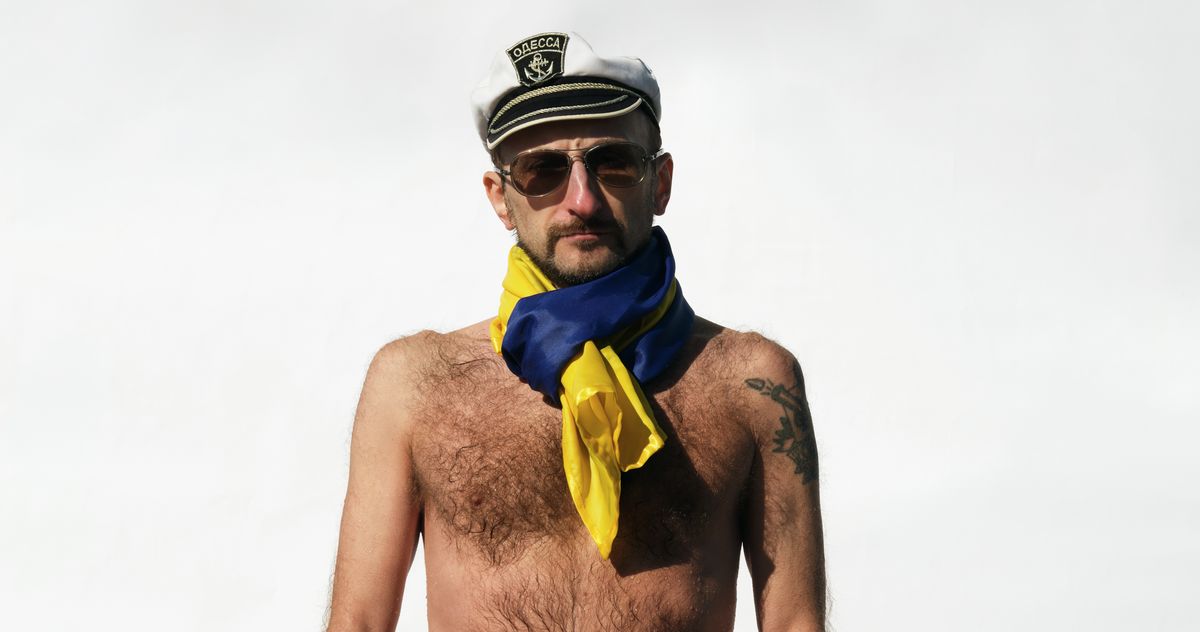
For others, the entry point was purely incidental. Angela Ranieri, a hairstylist from Flatbush, traces her membership back to a chance encounter at a 2008 Hatebreed concert in New Jersey. Upon spotting a fellow concertgoer with a polar bear tattoo, she inquired about the symbol, leading to her eventual induction into the group. This social interconnectedness serves as the glue that holds the club together, transcending the discomfort of the frigid Atlantic.
Implications of the Wellness Wave
As cold exposure gains popularity, the Coney Island Polar Bear Club finds itself in a unique position. While the club welcomes guests—provided they can withstand the conditions—it remains firmly rooted in its original, non-commercial ethos. The rise of "wellness" as a massive global industry has brought increased attention to cold exposure, yet the club’s members argue that the true benefit lies in the consistency and the community, rather than the temporary novelty of a single plunge.
"It makes winter go by super-quickly," explained Joel Stotts, a sandblaster from Kensington. "January and February don’t ever feel miserable because you do this. Nothing else feels that cold." By reframing the winter months as a period of activity rather than isolation, the club provides a psychological buffer against the seasonal affective disorder that often plagues urban residents during the colder months.
Official Stance and Safety Protocols
While the club operates with a high degree of informality, safety remains a core priority. The organization emphasizes the importance of acclimatization. Participants are encouraged to enter the water gradually, monitor their physical reactions, and recognize the limits of their endurance. The "surprise element" of the water temperature, which often shocks newcomers, is effectively managed by veterans through repetitive exposure.
The broader implications of the club’s longevity suggest that the pursuit of physical challenges in public, natural spaces remains a vital part of New York City’s urban fabric. In a city where real estate and development are constantly reshaping the landscape, the beach remains one of the few truly democratic spaces. Whether it is a professional using the ocean to clear their head before a work week or a retiree maintaining a lifelong habit, the beach serves as a neutral ground where the only prerequisite for entry is the willingness to brave the cold.
The Future of the Tradition
As the 2026 season progresses, the club continues to attract new members, ensuring that the tradition remains vibrant. The combination of historical prestige and the modern search for mental clarity suggests that the Coney Island Polar Bear Club will persist as a fixture of the city.
The club’s endurance also highlights a broader shift in urban lifestyle expectations. New Yorkers are increasingly looking for ways to engage with the natural environment, even in the dead of winter. The act of swimming in the Atlantic during November is not merely a stunt; it is an assertion of agency over one’s environment. By choosing to embrace the cold rather than retreat from it, the members of the club are effectively reclaiming the winter as a season for vitality rather than dormancy.
As the morning session concluded, members could be seen warming up on the boardwalk, their spirits noticeably buoyed by the exertion. For the casual observer, the scene might appear chaotic or even extreme. However, for those involved, it is a refined practice of self-regulation and community building. The Coney Island Polar Bear Club stands as a reminder that even in the most densely populated, technologically advanced cities, there is still space for ancient, elemental rituals that bind people together and offer a brief, exhilarating escape from the rigors of modern life.