The Ultimate Guide to US Vacation Rentals with Steamy Hot Tubs That Are Worth Planning a Trip Around

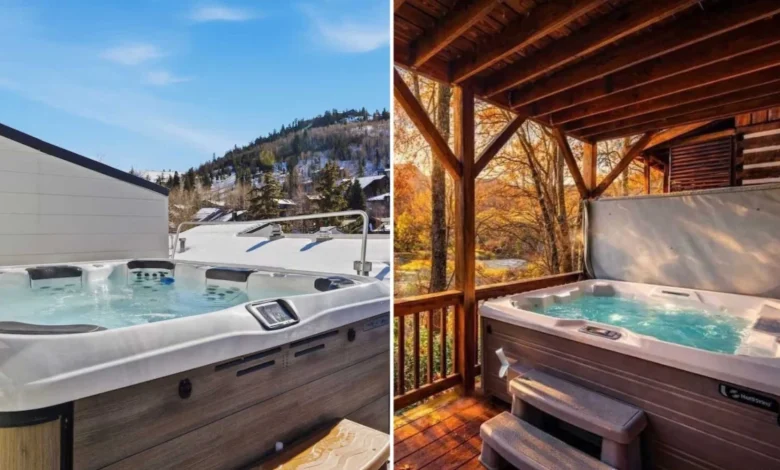
While frequent fliers perpetually debate the merits of window versus aisle seats or the logistical nightmares of coordinating large group getaways, a rare point of universal consensus exists within the travel community: the unmatched appeal of a private hot tub. Industry analysts and hospitality researchers note that private soaking amenities have transitioned from a luxury novelty to a primary filtering criterion for travelers booking short-term rentals. This singular amenity often serves as the dividing line between a standard accommodation and an exceptional vacation experience, offering therapeutic benefits that transcend seasonal boundaries. Whether used to stimulate circulation on a crisp autumn morning or to soothe fatigued muscles following a day of backcountry hiking, hot tubs have cemented their status as the cornerstone of modern leisure travel.
A curated selection of properties spanning from the rugged log cabins of Tennessee to the sleek, architectural glass beach houses of the Oregon coast demonstrates the diverse architectural and geographical ways property owners are leveraging this demand. These destinations promise steaming waters set against breathtaking backdrops, transforming the tub from a simple plumbing fixture into the central vantage point for an immersive natural escape. Travelers seeking the profound stillness of the New Mexican high desert, the crisp, deciduous air of the Blue Ridge Mountains, or the wildlife-rich expanse of the Texas Hill Country can now experience these biomes from the buoyant comfort of a private, bubbling sanctuary. Designed for restorative weekend excursions aimed at regulating the nervous system or fostering communal engagement among friends, these properties represent the pinnacle of domestic leisure infrastructure.
The Evolution of Vacation Rental Amenities and the Rise of the Private Hot Tub
The trajectory of the short-term rental market over the past decade reveals a dramatic shift in consumer expectations. Following significant shifts in workforce flexibility and remote work models, travelers are increasingly seeking properties that function as complete wellness retreats rather than mere places to sleep. According to hospitality industry data compiled across major booking platforms, searches filterable by luxury amenities—specifically outdoor hot tubs, saunas, and plunge pools—have surged by more than forty percent compared to pre-pandemic baselines.
This surge reflects a broader cultural pivot toward health-conscious travel and the intentional pursuit of relaxation. Experts in consumer behavior suggest that modern tourists experience high levels of cognitive fatigue driven by hyper-connectivity. Consequently, accommodations that facilitate disconnection in natural settings command higher nightly rates and secure longer booking windows. The integration of hot tubs into properties located in diverse geographical terrains—from coastal dunes to alpine forests—underscores a design philosophy that prioritizes sensory engagement and tactile comfort.
Property owners and interior designers have responded to this demand by upgrading standard, mass-produced acrylic spas to custom, integrated concrete soaking tubs, cedar-barrel designs, and wood-fired Nordic tubs. These installations are frequently positioned to maximize panoramic views, ensuring that the act of soaking is paired with visual engagement with the surrounding landscape.
Methodological Criteria for Selection and Quality Assurance
Identifying the premier hot tub rentals across the United States requires a rigorous, multi-tiered evaluation process. The properties featured in this analysis were selected using a comprehensive set of hospitality metrics, including Superhost or Premier Host designations, sustained high review ratings exceeding 4.9 stars, and stringent evaluations of overall cleanliness and maintenance protocols.
Furthermore, selection committees assess the specific placement and operational reliability of the hot tubs themselves. Factors such as water filtration standards, privacy screening from adjacent properties, structural integrity, and proximity to the main dwelling are heavily weighed. Architectural harmony, interior decor quality, and geographic accessibility also play critical roles in the curation process. Guest testimonials from previous occupants serve as a vital qualitative check, ensuring that marketing representations align with the actual on-site experience.
Regional Spotlights: Top Destinations for Thermal Retreats
The Blue Ridge Mountains: Crisp Air and Canopy Views
The Blue Ridge Mountain range, stretching across multiple states in the eastern United States, offers some of the most dramatic elevation changes and dense forest canopies in the region. Rentals in this area frequently feature wrap-around wooden decks suspended high above the forest floor.
When equipped with a hot tub, these properties provide an immersive sensory experience. Guests can soak in mineral-rich or chemically balanced waters while breathing in the scent of pine and balsam, surrounded by the shifting colors of the foliage during peak autumn seasons. Local tourism boards report that mountain cabin rentals with outdoor hot tubs experience virtually zero off-season slump, as winter travelers actively seek out the contrast of freezing mountain air and piping-hot water.
Texas Hill Country: Fauna and Wide-Open Spaces
In contrast to the verticality of the Blue Ridge, the Texas Hill Country offers expansive horizons, rolling limestone hills, and rich biodiversity. Properties in this region—ranging from modern architectural marvels to rustic ranch conversions—capitalize on the wide-open spaces by positioning hot tubs as prime observation decks for local wildlife and legendary Texas sunsets.
Industry insiders note that regional tourism in the Texas Hill Country has benefited significantly from travelers seeking weekend getaways from major metropolitan hubs like Austin, San Antonio, and Houston. The inclusion of a private hot tub acts as a primary incentive for urban professionals looking to decompress under clear, unpolluted night skies.
Coastal Oregon: Oceanic Mist and Dramatic Shorelines
The Pacific Northwest coastline presents an entirely different aesthetic and climatic profile. Characterized by dramatic sea stacks, misty shores, and towering sitka spruce forests, coastal Oregon rentals are engineered to withstand maritime weather while maximizing interior comfort.
Hot tubs situated along the Oregon coast are frequently sheltered from coastal winds while maintaining direct lines of sight to the Pacific Ocean. The juxtaposition of cool sea spray and heated water creates a micro-climate of relaxation that appeals strongly to wellness travelers and nature photographers alike. Environmental regulations in these coastal zones also mandate sustainable water management practices, prompting many property owners to install energy-efficient, smart-heating spa systems.
The New Mexican Desert: Stillness and Stargazing
For travelers seeking profound isolation and meditative quiet, the high desert of New Mexico provides an unmatched setting. Properties nestled near Santa Fe, Taos, or the expansive Chihuahuan Desert offer minimalist architecture that complements the stark, earthen landscape.
Here, hot tubs serve a dual purpose: therapeutic muscle relaxation following desert hikes and optimized astronomical viewing. Because much of New Mexico maintains strict dark-sky ordinances to minimize light pollution, soaking in a hot tub at night offers unobstructed views of the Milky Way, drawing astronomy enthusiasts and peace-seekers from across the nation.
Economic and Market Implications of Wellness-Centric Travel
The proliferation of high-end wellness amenities in residential rentals has tangible economic implications for the broader travel sector. Real estate investors and property management firms report that capital investments in premium outdoor features, such as hot tubs, fire pits, and outdoor kitchens, yield a disproportionately high return on investment through increased occupancy rates and premium nightly pricing.
According to real estate market analysts specializing in short-term rental yields, properties featuring luxury hot tubs command an average nightly rate that is twenty to thirty-five percent higher than comparable properties lacking the amenity. Furthermore, these listings secure a significantly higher percentage of repeat bookings, as guests prioritize reliability, comfort, and restorative potential when planning subsequent vacations.
However, this trend also presents logistical challenges for property managers. Maintaining hot tubs to rigorous health and safety standards requires frequent water testing, chemical balancing, draining, and mechanical servicing between guest turnovers. Failure to maintain these systems can lead to negative reviews, health code violations, and costly repairs. Consequently, a sub-industry of professional spa maintenance services has flourished in high-density vacation markets to support property owners in upholding these standards.
Consumer Trends and Future Outlook
Looking ahead, industry forecasters anticipate that the demand for immersive wellness amenities will continue to shape the vacation rental landscape. Innovations in eco-friendly spa technology—such as salt-water systems that reduce chlorine dependency, solar-powered heating elements, and smart-home integration for remote temperature control—are becoming standard expectations for high-end travelers.
As consumers place an increasingly high value on mental health, physical recovery, and authentic connection with nature, the humble hot tub has transitioned from a backyard luxury into an essential component of the modern travel experience. Whether nestled in the desert sands, perched on a mountain ridge, or overlooking the crashing waves of the Pacific, these aquatic sanctuaries remain a timeless anchor for travelers in search of rest, rejuvenation, and memorable shared moments.