Beyond the Classroom: How TED-Ed and Immerse Education are Redefining Student Leadership and Global Communication

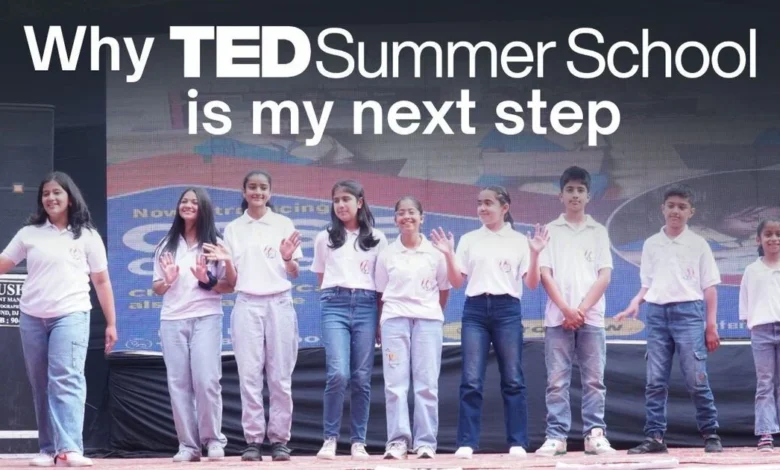
For over a decade, the TED-Ed Student Talks initiative has functioned as a global catalyst for youth development, providing millions of students with the framework to articulate their ideas, refine their perspectives, and build the confidence necessary to navigate an increasingly complex world. By fostering an environment where young voices are not merely heard but amplified, the program has evolved from a series of local school presentations into a worldwide movement. This trajectory has now reached a new milestone through a strategic partnership between TED and the renowned educational organization Immerse Education, resulting in the launch of TED Summer School.
This immersive, two-week academic program represents a significant departure from traditional extracurricular activities. Designed for students aged 15 to 18, the curriculum integrates rigorous theoretical foundations in public speaking with practical, hands-on workshops. Through a blend of guest lectures, intensive storytelling training, and one-on-one coaching from industry experts, participants are tasked with developing a TED-style talk that addresses a subject of personal and global significance.
A Journey of Advocacy and Leadership
The evolution of the student voice is perhaps best exemplified by the journey of Samya Gupta, a student from India whose academic and extracurricular path has been shaped by her engagement with the TED-Ed ecosystem. Gupta’s progression—from a participant in local school-level student talks to a student coordinator for TEDx events and, finally, a recipient of a competitive scholarship to the inaugural TED Summer School—serves as a case study for the program’s broader objectives.
In reflecting on her development, Gupta emphasizes a shift away from the passive consumption of information typical of traditional schooling. "I’m a bit more curious—I’m more on the social impact side rather than just the traditional schooling system," Gupta noted during an interview with TED-Ed Program Manager Shraya Sharma. Her involvement in organizing TEDx events in India provided a practical crash course in project management, logistics, and interdisciplinary collaboration. In 2024, the execution of a TEDx event in her home region required her to manage complex speaker schedules and coordinate with professionals across journalism, politics, and the social sciences.
The Chronology of Student Engagement
The timeline of Gupta’s engagement reflects the layered structure of the TED-Ed framework. The process typically begins at the local school level, where students are invited to propose topics for talks. In Gupta’s instance, roughly 40 students were shortlisted, with the final selection narrowed down by faculty to a group of eight to ten speakers. Her choice of topic—the mental health challenges faced by Indian teenagers—was a calculated attempt to bridge the communication gap between adolescents and their parents.
This localized experience provided the foundation for her transition to a broader leadership role. By September, Gupta had transitioned from a speaker to a student coordinator. This shift allowed her to gain a comprehensive understanding of the operational requirements of large-scale events. According to organizational data from TED-Ed, this "learn-by-doing" approach is intentional; it is designed to cultivate leadership skills, stress management, and professional communication standards long before the students reach university age.
Competitive Entry and Global Reach
The pathway to the TED Summer School was formalized through the "Learning to be Heard" challenge, a global competition that invited students to submit a one-minute video articulating a message to the world. The challenge saw more than 2,000 entries, from which only 11 students were selected for full scholarships.
Gupta’s submission focused on the stigma associated with coming from a small town in a rapidly globalizing nation. Her message—that geography should not dictate one’s professional or academic destiny—resonated with the selection committee as a testament to the democratization of knowledge. By securing this scholarship, Gupta not only earned her spot in the Singapore cohort of the TED Summer School but also highlighted the financial and social barriers that such programs aim to dismantle. For many students, the scholarship is not merely a financial grant; it acts as a form of institutional validation that encourages them to pursue higher education at prestigious global institutions.
Data-Driven Impact and Educational Trends
The surge in demand for programs like TED Summer School mirrors a broader trend in global education: the prioritization of "soft skills"—such as critical thinking, public speaking, and narrative construction—alongside traditional academic performance. Educational research suggests that students who participate in structured public speaking programs demonstrate higher levels of self-efficacy and are more likely to pursue leadership roles in their future careers.
Data from the World Economic Forum consistently lists communication and complex problem-solving among the top skills required in the modern workforce. By integrating these competencies into a two-week intensive, TED and Immerse Education are addressing a critical gap in high school curricula. The program’s structure, which includes mentorship from representatives of leading universities, allows students to gain a realistic preview of the academic rigor expected in higher education, while simultaneously refining the messaging they will use to apply to those institutions.
Institutional Perspectives on Student Development
The partnership between TED and Immerse Education is underpinned by the philosophy that young adults are capable of sophisticated intellectual contributions. Official statements from the program organizers indicate that the goal is to provide a "transformative" experience that extends beyond the classroom. The curriculum is built upon a syllabus of storytelling mastery, which is inherently designed to teach students how to organize vast amounts of information into concise, impactful narratives.
For participants, the program serves as a laboratory for intellectual growth. The opportunity to interact with peers from diverse international backgrounds ensures that students are exposed to a range of cultural perspectives, which is essential for developing global citizenship. Furthermore, the presence of expert tutors provides a feedback loop that is rarely available in standard educational settings. This iterative process—designing, refining, and recording a talk—mirrors the professional development cycles found in high-level corporate and academic sectors.
Implications for the Future of Youth Leadership
The implications of the TED Summer School model are significant. As the program expands to locations including New York, London, and Singapore, and continues to offer virtual cohorts, it establishes a standardized, high-quality benchmark for student voice initiatives.
For students like Gupta, the experience is expected to yield tangible benefits: an expanded professional network, increased clarity regarding career aspirations, and the ability to articulate complex ideas with precision. The long-term impact on these students is expected to be measurable in their subsequent academic achievements and their ability to advocate for social change.
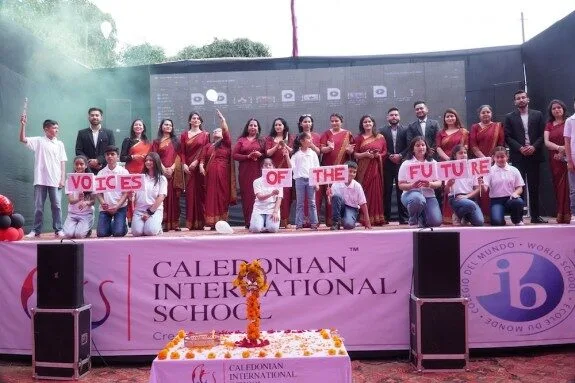
As the program continues to evolve, the emphasis remains on the "end goal"—which is not simply to be heard, but to communicate ideas that carry weight and foster meaningful change. The success of the "Learning to be Heard" challenge suggests that there is a vast, untapped reservoir of young talent worldwide that is eager for the platform and the tools necessary to influence the global discourse. By providing these resources, TED and Immerse Education are not merely training public speakers; they are fostering a new generation of leaders prepared to address the socio-economic and political challenges of the 21st century.
As the summer sessions progress, the focus will remain on tracking the outcomes of these students. The ultimate success of the program will be measured by the students’ ability to apply these communication skills to their future endeavors, effectively translating their personal passions into broader, systemic impact. The ongoing collaboration serves as a vital case study in how educational institutions can effectively leverage global brands to empower the next generation of changemakers.
Related posts: