How Unity Concord International School Built a Self-Sustaining Pipeline of Student Voices Through TED-Ed Integration


The challenge of transforming adolescent ideas into compelling public discourse is a perennial hurdle for educators worldwide. While students often possess profound insights, the transition from private contemplation to public presentation requires more than a simple invitation; it demands a structured, supportive ecosystem. At Unity Concord International School (UCIS) in Chiang Mai, Thailand, school administrators have successfully implemented a dual-program framework that integrates year-round TED-Ed Student Talks with annual TEDxUCIS Youth events. By aligning these initiatives, the institution has created a sustainable, scalable model for nurturing student voice, confidence, and leadership.
The core of the UCIS strategy lies in the symbiosis between the foundational TED-Ed Student Talks group and the high-profile TEDxUCIS Youth event. Rather than treating these as independent extracurriculars, the school has positioned the former as a prerequisite developmental stage for the latter. This deliberate alignment ensures that students enter the high-stakes environment of a TEDx stage not as novices, but as practitioners who have spent years refining their narrative structure, rhetorical delivery, and stage presence.
The Developmental Pipeline: A Chronology of Growth
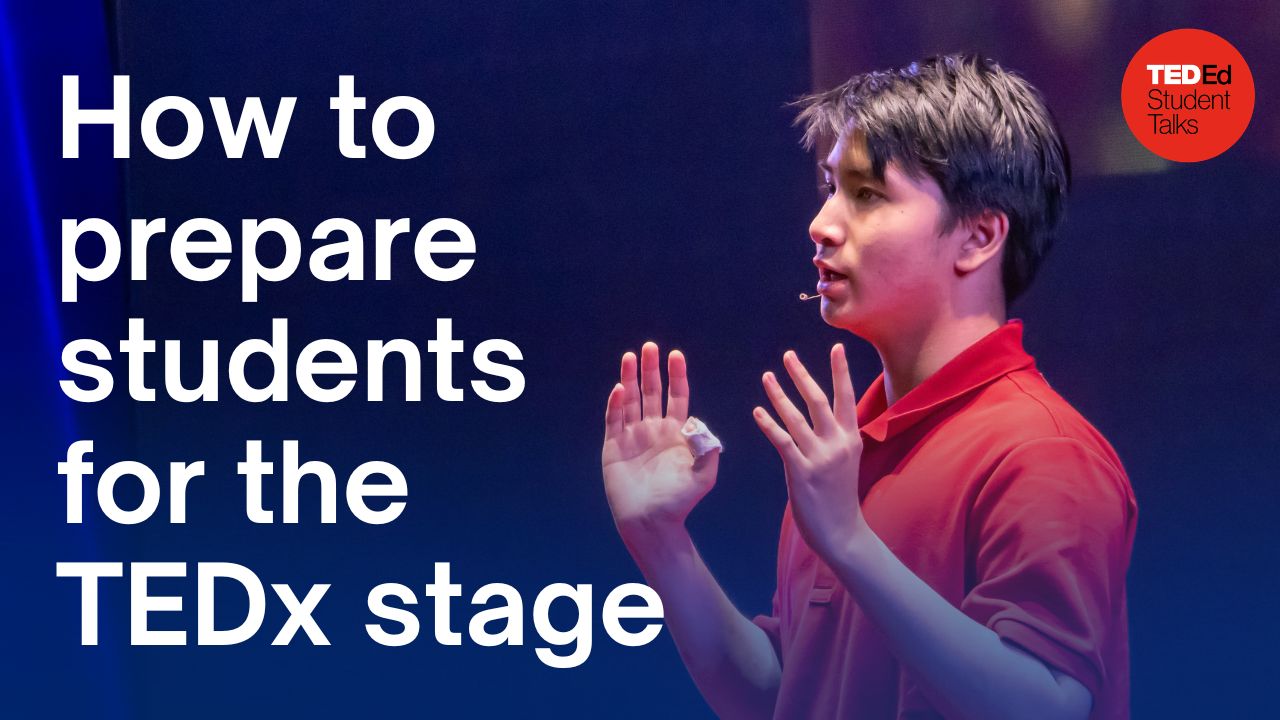
The pedagogical approach at UCIS is built upon a progressive timeline that begins in the early middle school years. According to Abby Schrantz, the school’s TED-Ed Student Talks Coordinator, the program for 5th and 6th graders is designed to lower the barrier to entry. This is achieved through a decentralized recruitment model. Rather than relying solely on administrative announcements, Schrantz engages in direct outreach, visiting homerooms to demystify the process. By leveraging the social influence of students who have previously completed the program, the school has achieved full capacity in its student groups, proving that peer-led advocacy is a potent recruitment tool.
The internal structure of the TED-Ed Student Talks group is intentionally iterative. Participants engage in peer-review sessions where they analyze past talks to provide constructive criticism. By evaluating the mechanics of successful presentations—such as pacing, emotional resonance, and visual aid integration—students develop an analytical lens through which they view their own work. This feedback loop is the engine that drives the program’s quality, ensuring that the development of a talk is a collaborative, rather than a solitary, endeavor.
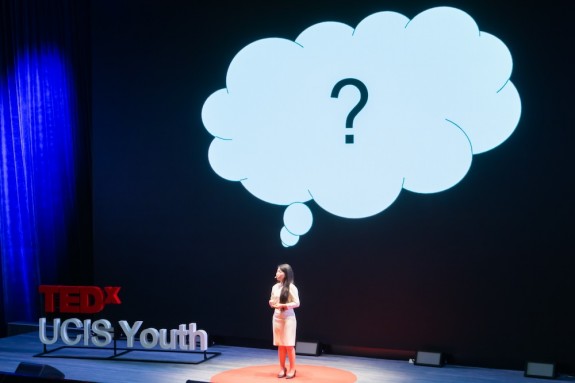
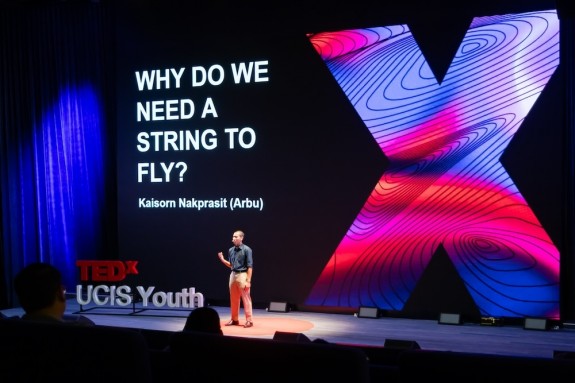
As students progress into middle and high school, they transition from these smaller, intimate sessions to the broader stage of the TEDxUCIS Youth event. The event itself serves as a milestone in their educational trajectory. The transition is not abrupt; because students have already been exposed to the rigors of the TED-Ed process, they are familiar with the expectations of the license holder and the standard of excellence required for a TEDx production. This familiarity reduces performance anxiety and allows students to focus on the nuance of their ideas rather than the mechanics of the stage.
Statistical and Practical Implications of the Model
Data from educational psychology suggest that public speaking proficiency is directly correlated with long-term academic success and career readiness. However, few schools provide the necessary scaffolding to foster this skill. The UCIS model provides a replicable roadmap for institutionalizing this training.
From an administrative perspective, the integration of these programs reduces the burden on event organizers. Madison Conger, the license holder for TEDxUCIS Youth, notes that the existence of a feeder program like TED-Ed Student Talks significantly streamlines the production cycle. "We don’t have to start from square one," Conger explains. Because the prospective speakers have already navigated the milestones of ideation, drafting, and rehearsal within the school’s established TED-Ed framework, the organizing committee can focus on the technical and creative aspects of the event rather than foundational coaching.
The efficiency of this model is evidenced by the consistent growth of the TEDxUCIS Youth event. By converting the student body into an informed audience, the school creates a culture of intellectual curiosity. Students who attend the event as audience members in their early years are often the ones who return as speakers in later years, creating a self-sustaining cycle of inspiration and participation.
Institutional Impact and Social Change
The influence of the UCIS programs extends beyond the acquisition of presentation skills. The curriculum encourages students to tackle complex, often vulnerable topics, such as the pressures of societal expectations, the anxiety of overthinking, and the nuances of the international school experience. By providing a platform for these discussions, the school creates a psychological safety net that validates the lived experiences of its student body.
The impact of these talks has manifested in tangible institutional change. A notable example involved a student presentation concerning the challenges faced by "cross-cultural kids"—students navigating multiple national and linguistic identities. Following the talk, the school acted on the student’s insights, facilitating the creation of a dedicated support community for parents and students to address these specific integration challenges. This outcome serves as a primary case study for how student-led ideas can inform school policy and foster a more empathetic campus climate.
Comparative Analysis: Why This Approach Works
Many schools attempt to launch a TEDx event as a standalone initiative, often resulting in high burnout rates for faculty and inconsistent quality in student presentations. The UCIS model succeeds because it treats public speaking as a discipline rather than an event.
- The Low-Stakes Environment: By separating the developmental phase (TED-Ed) from the production phase (TEDx), the school allows students to fail, iterate, and refine their ideas in a safe, non-public space.
- Peer-to-Peer Mentorship: The use of student-led feedback ensures that the language and themes of the talks remain authentic to the adolescent experience, which resonates more deeply with the student body than top-down adult guidance.
- Institutional Buy-in: By making TED-Ed part of the school’s core identity, administrators have ensured that the program is not subject to the volatility of rotating staff or shifting priorities.
Broader Implications for Global Education
The framework established at UCIS provides a compelling blueprint for other institutions. In a globalized educational landscape, the ability to articulate ideas clearly and persuasively is an essential competency. The UCIS experience demonstrates that this ability is not innate; it is cultivated through consistent, structured exposure to the elements of public discourse.
For schools considering the implementation of a similar program, the recommendation is to start with the foundational elements of TED-Ed Student Talks. By prioritizing the development of the "voice" over the "stage," schools can build a pipeline that is resilient and scalable. As demonstrated in Chiang Mai, when students are empowered to share their perspectives in an environment that respects their intellectual agency, the resulting transformation is not limited to the individual speaker—it permeates the entire institutional culture.
The success of the UCIS model is a testament to the fact that when educational institutions move beyond the delivery of information and toward the fostering of ideas, they create a more engaged and empowered generation. The ongoing collaboration between educators like Fernando Oringo, Abby Schrantz, and Madison Conger highlights that the most effective way to prepare youth for the future is to give them the tools to speak to the present. As these programs continue to evolve, they serve as a benchmark for how global educational networks can leverage the TED-Ed infrastructure to spark, sustain, and amplify the voices of the next generation of global change-makers. The roadmap is established, the results are measurable, and the potential for replication remains high for any school willing to commit to the culture of ideas.