The Timeless Appeal of New Hampshire’s Omni Mount Washington Resort: A Century of Grandeur in the White Mountains

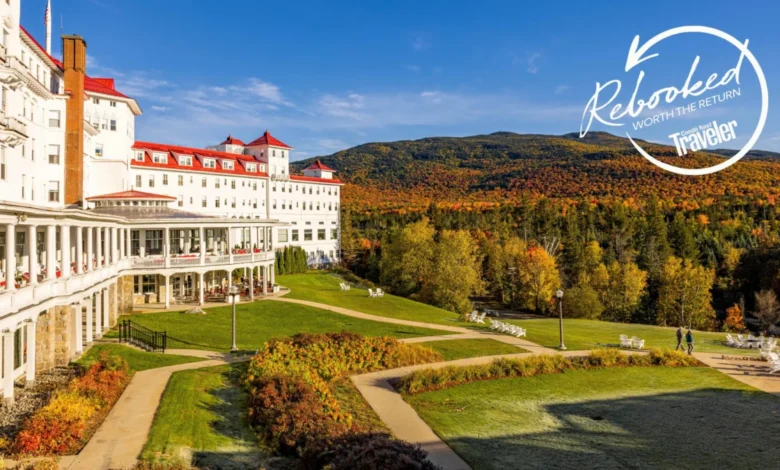
For generations of travelers seeking the quintessential New England autumn experience, the six-hour journey from New York City northward to the White Mountains of New Hampshire represents more than just a seasonal road trip; it is an immersive descent into a landscape transformed by nature. Winding through narrow mountain passes, rural thoroughfares, and historic villages, motorists eventually arrive at the village of Bretton Woods. Dominating this landscape is the Omni Mount Washington Resort, a monumental architectural landmark that has served as a cornerstone of regional hospitality for over a century.
Spanning a massive 2,600 acres at the base of Mount Washington—the highest peak in the northeastern United States, reaching an elevation of 6,288 feet—the resort remains an enduring symbol of early 20th-century grand hotel architecture. As travel writers and luxury hospitality analysts frequently note, properties capable of maintaining operational relevance, historical integrity, and contemporary appeal over multiple generations are exceptionally rare. The Omni Mount Washington Resort, with its distinct Spanish Renaissance Revival style, red-tiled roof, and stark white exterior, continues to command attention against the backdrop of the Presidential Range.
Main Facts and Architectural History
Built in 1902 during the golden age of grand American mountain resorts, the property was conceived by industrialist Joseph Stickney. Designed to cater to society’s elite, the hotel cost an estimated $1.7 million at the time—a staggering sum that reflected its ambition, luxury, and engineering complexity. The resort officially opened its doors in July 1902, hosting wealthy vacationers who arrived by steam train to escape the sweltering heat of eastern coastal cities.

The scale of the property remains impressive by modern standards. The main building features 269 guest rooms and suites, complemented by expansive public spaces designed to foster communal gathering. Chief among these is the sweeping 900-foot back veranda, which offers panoramic vistas of the surrounding peaks and valleys. Architectural preservationists point to the resort as a rare surviving example of early American resort engineering that successfully integrated modern amenities without sacrificing its historic silhouette.
Chronology of Development and Modern Expansion
While the resort’s historical roots trace back to the Edwardian era, its longevity is credited to continuous adaptation and strategic capital investment. Over the decades, ownership groups have navigated economic shifts, world wars, and changing consumer preferences by expanding the resort’s infrastructure.
In 2021, the property introduced the Presidential Wing, a modern addition featuring 69 upscale guest rooms designed to meet contemporary expectations for luxury accommodations. This expansion integrated modern design sensibilities—such as oversized marble bathrooms, deep soaking tubs, and private balconies—while maintaining a cohesive aesthetic with the historic core of the hotel. Further investment continued into the summer of 2026 with comprehensive renovations to the guest rooms within the Historic Wing, ensuring that the original 1902 structures meet modern standards of comfort and energy efficiency.
Supporting Data and Resort Infrastructure

Today, the Omni Mount Washington Resort operates as a self-contained ecosystem for leisure tourism, offering a diverse array of recreational and wellness facilities. Economic development reports highlight the resort as a critical economic engine for New Coos County, driving regional tourism revenue through both winter ski seasons and shoulder-season foliage travel.
Key infrastructure and amenities include:
- A 25,000-square-foot full-service spa providing hydrotherapy and wellness treatments.
- Two championship golf courses, maintaining a heritage of sport that dates back to the early 20th century.
- The Bretton Woods Ski Area, recognized as New Hampshire’s largest ski destination, featuring over 60 alpine trails and a modern lift system that includes scenic autumn gondola operations.
- Extensive outdoor programming, including guided alpine hikes, fly-fishing excursions, equestrian trail rides, and winter Nordic skiing networks.
Gastronomy and Unique Cultural Offerings
Culinary operations at the resort reflect a blend of regional New England tradition and contemporary fine dining. Stickney’s, the property’s primary steakhouse, sources local ingredients to serve regional seafood and prime cuts, anchoring the upscale dining program. Meanwhile, Fabyan’s Station—situated nearby in a meticulously restored historic railway depot—offers a more casual, family-friendly pub atmosphere steeped in railroad history.
Perhaps one of the property’s most distinctive historical assets is The Cave, a subterranean speakeasy operating out of the downstairs patio level. Built during the Prohibition era, the stone-walled lounge retains its clandestine atmosphere while hosting contemporary programming, such as astronomy lectures and intimate cultural events that bridge the gap between historical curiosity and modern entertainment.

Broader Impact and Regional Implications
Beyond its operational scale as a luxury resort, the Omni Mount Washington serves as an indispensable anchor for the economy of northern New Hampshire. Regional tourism boards frequently highlight the symbiotic relationship between the resort and surrounding communities such as North Conway and Jackson.
During peak autumn foliage periods, the influx of visitors drawn to the Bretton Woods area provides vital financial support to small businesses, artisanal shops, and agricultural tourism initiatives, including Jackson’s annual Pumpkin People celebration. Furthermore, the property’s historical significance was cemented on the global stage when it hosted the landmark United Nations Monetary and Financial Conference in July 1944. Known commonly as the Bretton Woods Conference, the event established the International Monetary Fund (IMF) and the World Bank, cementing the remote New Hampshire hotel’s place in modern geopolitical and economic history.
Analysis of Market Longevity
Hospitality analysts attribute the enduring appeal of the Omni Mount Washington Resort to its ability to bridge disparate travel desires. By offering high-end luxury accommodations alongside rugged outdoor access, the property insulates itself against shifting travel trends. Guests are not forced to choose between backcountry exploration and refined hospitality; instead, the resort facilitates both.

As historic properties across North America face mounting pressures from rising operational costs and changing consumer tastes, the Omni Mount Washington stands as a case study in effective asset management. By balancing historical preservation with targeted modern expansions—such as the 2021 Presidential Wing and the 2026 Historic Wing renovations—the resort has secured its position not merely as a relic of the past, but as a dynamic, evolving destination for future generations of travelers.
Related posts: