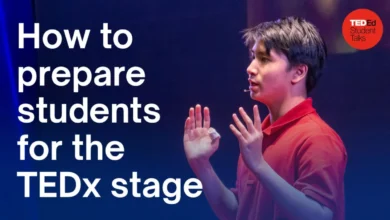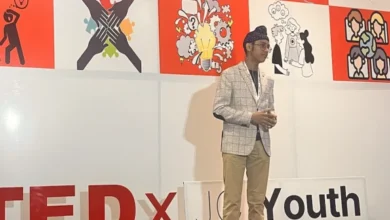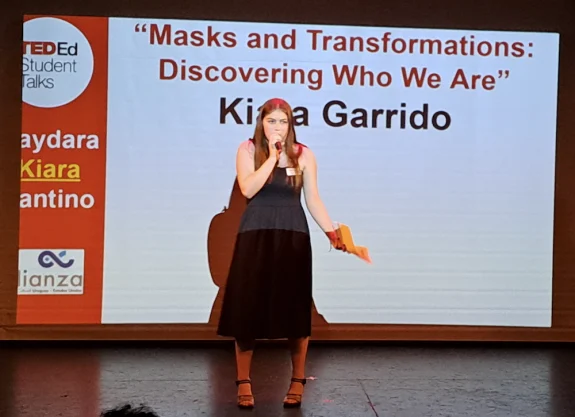
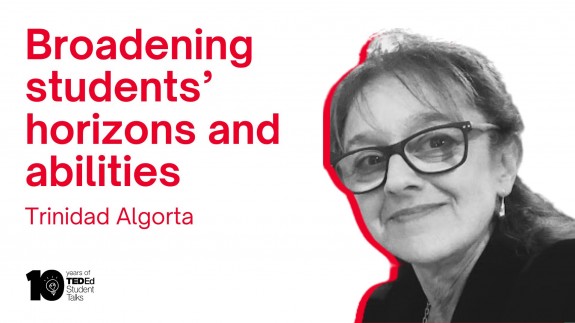
Since its inception in 2014, the TED-Ed Student Talks initiative has evolved from an experimental educational resource into a global phenomenon, providing a structured platform for students to hone their public speaking, critical thinking, and storytelling skills. As the program celebrates its tenth anniversary, the "10 for 10 years" series highlights the educators who have served as the bridge between raw student potential and impactful public communication. Among these transformative figures is Trinidad Algorta, an English as a Foreign Language (EFL) instructor at Alianza in Uruguay, whose integration of these resources into a rigorous academic curriculum serves as a compelling case study for modern pedagogical success.
The Evolution of Student-Led Communication
The TED-Ed Student Talks program was designed to fill a critical gap in traditional education: the lack of formal training in the art of the "big idea." Over the past decade, thousands of student groups across diverse cultural and linguistic backgrounds have utilized the program’s free curriculum to develop, refine, and present talks that address topics ranging from personal experience to global social issues.
The program provides a systematic framework, including a Facilitator’s Guide, which assists educators in guiding students through the often-daunting process of moving from a brainstorming phase to a polished presentation. This methodology emphasizes the importance of structure, narrative arcs, and audience engagement, effectively mirroring the professional standards of the wider TED organization.
Contextualizing the Impact: The Uruguayan Experience
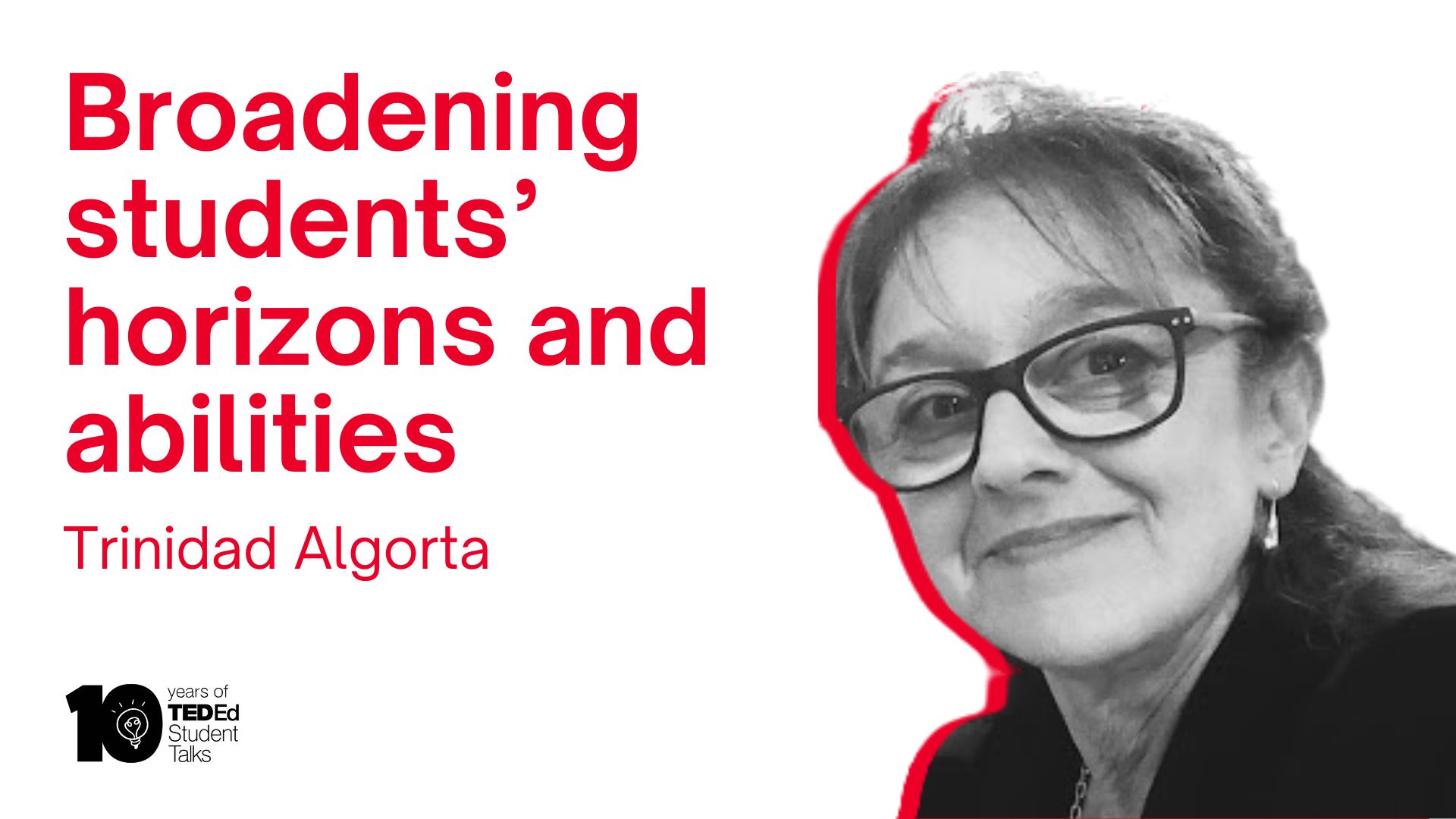
Trinidad Algorta’s work at Alianza—a prominent bi-national cultural center in Uruguay—offers a distinct perspective on the efficacy of the program in non-native English environments. Working with students from diverse backgrounds, including public school attendees and participants from various non-governmental organizations, Algorta sought to supplement standard English instruction with a project that would foster deeper engagement.
When implementing the program, Algorta utilized a two-hour-per-week instructional model. By dedicating one hour weekly to the TED-Ed curriculum, she ensured that students could maintain their core syllabus obligations while simultaneously navigating the creative demands of their talks. This dual-track approach allowed for a "scaffolded" learning experience where linguistic mastery was built alongside the mastery of rhetorical devices.
Challenges in Narrative Development
A primary hurdle identified by educators like Algorta is the "translation of experience." Students often struggle to recognize the value of their own stories. In the early stages of the program, students frequently propose numerous ideas, only to encounter difficulty when attempting to weave their personal emotions and internal reflections into a coherent, public-facing narrative.
Data from the program’s internal assessments suggests that the most successful student speakers are those who bridge the gap between abstract concepts and lived experience. Algorta’s approach specifically targeted this, using the program’s provided resources to probe students when they reached cognitive impasses. By validating "small" personal anecdotes—such as the experiences of immigrant students adjusting to life in Uruguay—she helped participants realize that their individual narratives possessed significant weight and universal resonance.
Academic and Skill-Based Outcomes
The implications of the TED-Ed Student Talks program extend well beyond the stage. Longitudinal observations of students who have completed the program indicate measurable improvements in three key areas: oral proficiency, non-verbal communication (body language), and written structure.
From a pedagogical standpoint, the writing of a speech script functions as an advanced exercise in essay composition. Students must master the "hook," the development of a central thesis, and the logical flow of arguments. Analysis of student performance indicates that these skills are highly transferable; students who excel in the program frequently demonstrate a marked improvement in their performance in standard academic courses, particularly in subjects requiring formal argumentative writing.
The Role of Peer Collaboration
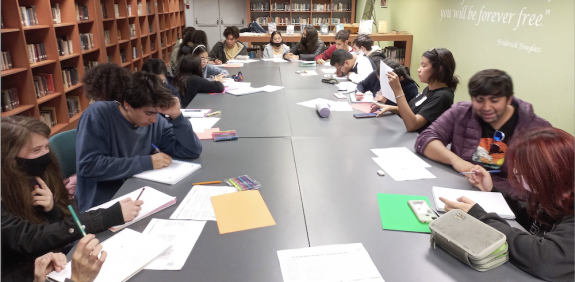
A critical element in the success of the program is the culture of peer review. Despite the talks being individual presentations, the preparation phase is inherently collaborative. The support structure within the student cohort serves as an essential psychological safety net. When students feel overwhelmed by the task of public performance, the encouragement of their peers often provides the necessary momentum to persevere.
This collaborative environment mirrors professional work settings, where communication and team-based feedback are essential. By the time students reach the final presentation event, the camaraderie built during the drafting and rehearsal phases often results in a cohesive group identity, significantly reducing the anxiety associated with public speaking.
Expert Insights and Pedagogical Advice
For educators considering the integration of the TED-Ed Student Talks program, Algorta emphasizes the necessity of the "human connection." Her advice to fellow practitioners is to prioritize the relationship between the facilitator and the student, as well as the relationships among the students themselves. The program is not merely a technical exercise in speech delivery; it is an emotional and intellectual journey that requires sustained mentorship.
Persistence remains the most significant factor in student success. Instructors often face resistance from students who doubt their own capability to deliver a talk. However, historical data from the program suggests that once students overcome this initial barrier and witness the positive reception of their peers, the shift in confidence is profound. Many students who initially express reluctance often become the most vocal proponents of the program, frequently requesting to participate in subsequent iterations.
Broader Implications for Global Education
The success of the TED-Ed Student Talks program over the last ten years highlights a growing trend in global education: the prioritization of "soft skills" alongside traditional curriculum. As the modern labor market increasingly values the ability to synthesize information and communicate effectively, programs that provide a structure for this development are becoming essential.
The "10 for 10 years" initiative serves as a documentation of this shift, showcasing how localized efforts in countries like Uruguay contribute to a broader, global standard of student empowerment. The scalability of the TED-Ed resources means that this model can be applied in almost any educational environment, provided there is a committed facilitator willing to guide the process.
Looking Toward the Next Decade
As the TED-Ed Student Talks program enters its second decade, the focus remains on refining the tools available to educators and expanding the accessibility of the program. The testimonies of facilitators like Trinidad Algorta underscore a recurring theme: the program is not just about producing a speech; it is about providing a platform for young people to discover the value of their own voices.
The intersection of language acquisition and personal storytelling represents a high-value pedagogical frontier. By helping students identify the stories that matter to them and providing the technical tools to share those stories, the program creates a cycle of engagement that benefits both the students and their wider communities. The continued success of these students—as evidenced by their increased academic performance and sustained interest in public communication—suggests that the program is not merely a temporary extracurricular activity, but a formative life experience.
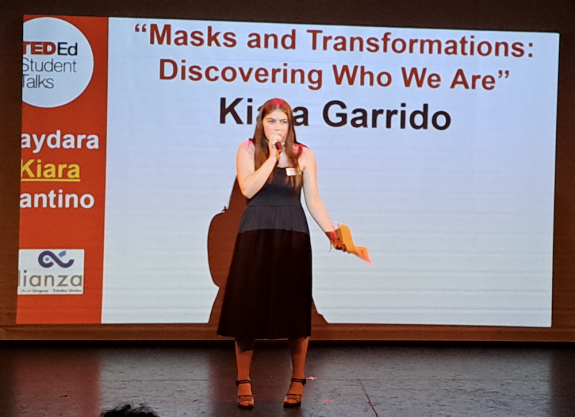
In conclusion, the impact of the TED-Ed Student Talks program is best understood through the lens of individual growth. From the initial spark of an idea to the final moment on stage, the journey requires resilience, intellectual rigor, and, above all, the guidance of dedicated educators who recognize that every student has a story worth telling. As the program continues to grow, it serves as a testament to the power of structured guidance in transforming classroom dynamics and student self-perception on a global scale.