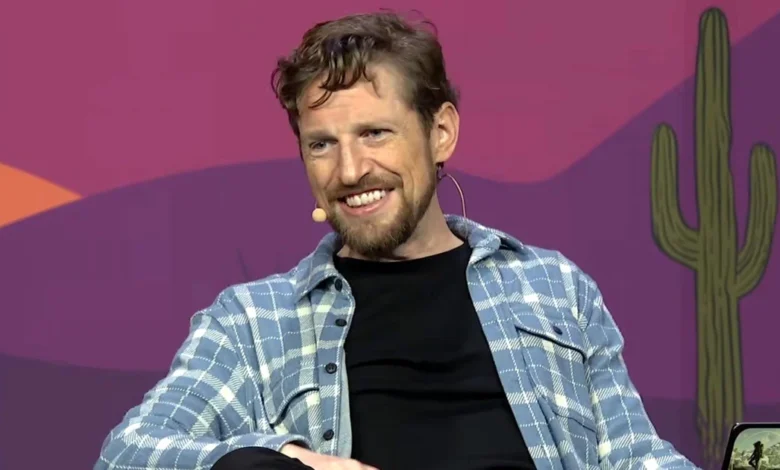
The corporate leadership at Automattic, the powerhouse firm behind WordPress.com and WooCommerce, has returned to a state of equilibrium following a chaotic 72-hour period that saw co-founder Matt Mullenweg ousted, replaced, and subsequently restored to his position as Chief Executive Officer. The sequence of events, which began on Wednesday, September 9, and concluded with a curious official statement on Saturday, September 12, has left industry observers questioning the stability of the company’s governance structure and the internal mechanisms used to communicate executive changes to the public.
The Chronology of the Leadership Crisis
The drama unfolded with clinical speed on the morning of Wednesday, September 9. According to reports, the Automattic Board of Directors convened a meeting with less than an hour’s notice to inform Mullenweg that he was being placed on mandatory paid leave. The decision, which caught the tech industry by surprise, was executed without a public explanation regarding the underlying cause. During this brief, fifty-minute window, Mullenweg’s request to have legal counsel review the board’s resolution was denied, leading to his immediate removal.
In his stead, the board appointed Mark Davies, the company’s Chief Financial Officer, as interim CEO. The company’s initial official communication, released shortly after the meeting, was a model of traditional corporate messaging. It was formal, brief, and detached, stating clearly: “Matt Mullenweg is currently on leave from Automattic. Mark Davies, Automattic’s CFO, will lead the company as interim CEO. The Board has full confidence in Mark’s leadership and in the team’s ability to execute against the company’s priorities.”
For approximately 48 hours, the narrative remained static. However, the situation turned into a digital standoff when it became apparent that while Mullenweg had been stripped of his formal title, he had not been stripped of his access to the company’s internal communication platform, Slack.
On Friday, September 11, Mullenweg bypassed traditional PR channels and utilized the company’s internal Slack workspace to address the staff directly. He began removing administrators and asserting that he was back in control of the organization. This move created a surreal environment where employees were receiving conflicting signals: the board’s official directive versus the co-founder’s direct declarations of authority. By Friday afternoon, external media outlets, including TechCrunch, reported the confusion, questioning whether the company was experiencing a legitimate leadership restoration or if the platform was being subjected to a high-profile act of digital defiance.
The Role of Social Media and Stakeholder Support
The ambiguity of the situation was briefly mitigated by external voices within the WordPress ecosystem. Mary Hubbard, the Executive Director of the WordPress project, provided a significant boost to the narrative of Mullenweg’s return. In a public post, she expressed relief and support, stating, “I’m relieved and pleased to see Matt Mullenweg return as CEO of Automattic, the largest financial contributor to the WordPress project. Having WordPress’s Co-founder and Project Lead at the helm gives me confidence that their support will remain strong. Matt has my support.”
This endorsement catalyzed a wave of support from "Automatticians"—the company’s employees—who utilized platforms like X (formerly Twitter) to voice their loyalty to Mullenweg. The scale of this coordinated public support was notable. As employees posted messages of solidarity, Mullenweg himself actively amplified these voices by reposting them, effectively creating a feedback loop that dominated the public discourse and overshadowed any remaining commentary from those who may have favored the board’s initial decision to oust him.
The Second Statement: A Shift in Tone
The definitive end to the uncertainty arrived at 5:00 PM EST on Saturday, September 12, with a second official communication from the company. The statement read: “Matt Mullenweg is the chairman and CEO of Automattic, with full support of the board and if you search online you can see many top executives and Automatticians supporting him as well.”

The stark contrast between the first and second statements has prompted intense scrutiny from analysts and communications experts. The first statement adhered to standard, third-person corporate protocol. The second, however, utilized an informal, first-person-adjacent structure that appeared to function more as a personal declaration than a vetted corporate press release. The inclusion of an instruction for the reader to "search online" to verify the claims is highly unorthodox for a multi-million-dollar technology firm, leading many to speculate that the statement was authored—or at the very least heavily influenced—by Mullenweg himself.
Contextualizing Automattic’s Governance
To understand the weight of this event, one must look at the unique position Automattic holds in the technology landscape. Since its inception in 2005, Automattic has been inextricably linked to the growth of WordPress, which powers approximately 43% of the internet. Mullenweg is not merely a CEO in the traditional sense; he is a foundational figure in open-source development.
Historically, companies led by founders often face "key person risk," where the personality and vision of the founder become synonymous with the company’s operations. When a board attempts to remove such a figure, it often creates a clash between the formal corporate governance structure (the board) and the informal power structure (the founder’s influence over the culture and staff).
Data from the company’s recent growth phases shows that Automattic has increasingly diversified its portfolio, moving into high-stakes areas such as enterprise hosting, secure commerce, and decentralized web technologies. With hundreds of millions of dollars in venture capital funding and thousands of employees, the stability of the executive office is a matter of interest for investors and the broader tech sector. The failed, or at least aborted, attempt to remove Mullenweg raises questions regarding the internal dynamics of the board—specifically, what prompted the sudden move on Wednesday, and why it was so quickly reversed by Saturday.
Broader Implications and Future Stability
The incident serves as a case study in the power of internal corporate culture versus administrative authority. The fact that the board was seemingly unable to maintain its decision beyond a few days suggests that Mullenweg retains significant, if not absolute, leverage over the company’s human resources and operational continuity.
For the WordPress community, the immediate concern was the impact on the open-source project. Automattic’s influence over WordPress is immense; the company contributes more code, resources, and sponsorship to the platform than any other entity. Any disruption in Automattic’s leadership could, in theory, cause ripples in the development of the world’s most popular Content Management System (CMS).
Furthermore, the "Slack coup" highlights the risks associated with digital infrastructure management during corporate crises. The inability of the board to lock out the CEO from internal communication channels effectively allowed him to control the narrative, organize his base, and pressure the board into a reversal. From a security and administrative standpoint, this incident will likely lead to internal reviews of how "emergency access" is handled during executive transitions.
Conclusion
As of mid-September, Automattic appears to have returned to the status quo, with Matt Mullenweg firmly at the helm. However, the "Automattic Drama," as it has been dubbed in tech circles, has left a lasting impression. The transition from a formal, board-led dismissal to an informal, founder-led reinstatement illustrates the complexities of governing a modern, decentralized technology company.
While the official word is that the board maintains full confidence in Mullenweg, the events of the week have exposed deep-seated fissures. Whether these were the result of a genuine governance dispute or a strategic misalignment remains an open question. For the employees and the stakeholders of the WordPress project, the focus now shifts to whether the company can maintain its operational velocity following a period of high-level internal friction. The speed with which the company moved from silence to a chaotic ouster, and back to a founder-led status, will likely be scrutinized by corporate governance experts for years to come. For now, the "Automattic" identity remains synonymous with Matt Mullenweg, a fact reinforced by his rapid return to power.