The Evolution of Brand Mentions and the Rise of Answer Engine Optimization in the Digital Marketing Landscape

The digital marketing industry is currently undergoing a fundamental transformation as traditional search engine optimization (SEO) converges with the emerging field of Answer Engine Optimization (AEO). At the heart of this shift is the brand mention—a metric that has evolved from a simple PR indicator into a critical driver of visibility within artificial intelligence systems. While brand mentions have long been recognized as any online reference to a company, product, or spokesperson, the proliferation of Large Language Models (LLMs) like ChatGPT, Gemini, and Perplexity has assigned these references a new level of strategic weight.
In the current ecosystem, brand mentions occur across an increasingly fragmented landscape. Beyond traditional news articles and social media posts, companies are now being discussed in Reddit threads, niche podcast transcripts, specialized review platforms, and dynamically generated AI responses. For modern marketing teams, the inability to track these mentions results in a significant blind spot regarding reputation management, SEO authority, and revenue attribution.
The Strategic Shift toward Answer Engine Optimization
The rise of AEO represents a departure from the "ten blue links" model that has dominated the web for two decades. Answer engines do not merely provide a list of websites; they synthesize information to provide direct answers. According to recent industry projections by Gartner, traditional search engine volume is expected to drop by as much as 25% by 2026 as consumers shift toward AI-powered conversational interfaces.

In this environment, brand mentions serve as the "training data" or the retrieval source for AI. When a user asks an AI agent for the "best project management software for small teams," the AI scans its training data and real-time web indexes to identify which brands are mentioned most frequently and positively across authoritative sources. Consequently, a brand mention is no longer just a passive citation; it is a vote of confidence that influences an AI’s recommendation engine.
Categorizing the Modern Brand Mention
To effectively navigate this landscape, digital strategists now categorize brand mentions into three distinct pillars, each requiring a specific management approach.
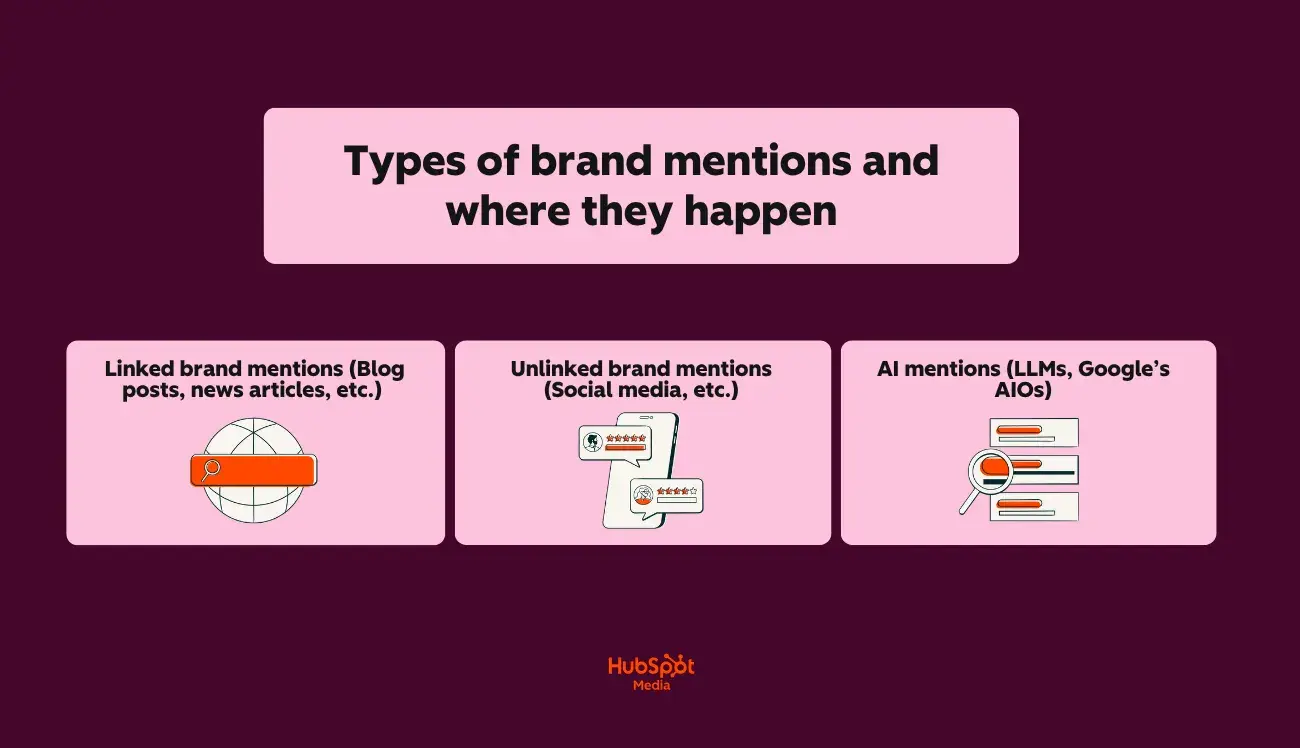
1. Linked Brand Mentions
A linked mention includes a direct hyperlink to the brand’s website. These are the traditional "gold standard" of SEO, as they pass domain authority and facilitate direct referral traffic. They are most commonly found in editorial content, guest blogs, and digital news outlets.
2. Unlinked Brand Mentions
Unlinked mentions occur when a brand is named but not hyperlinked. While these were previously considered "lost opportunities," search engines and AI models have become increasingly adept at associating these citations with specific entities. Industry data suggests that unlinked mentions are often more common than linked ones, particularly on forums like Reddit or in academic and technical white papers.
3. AI Mentions
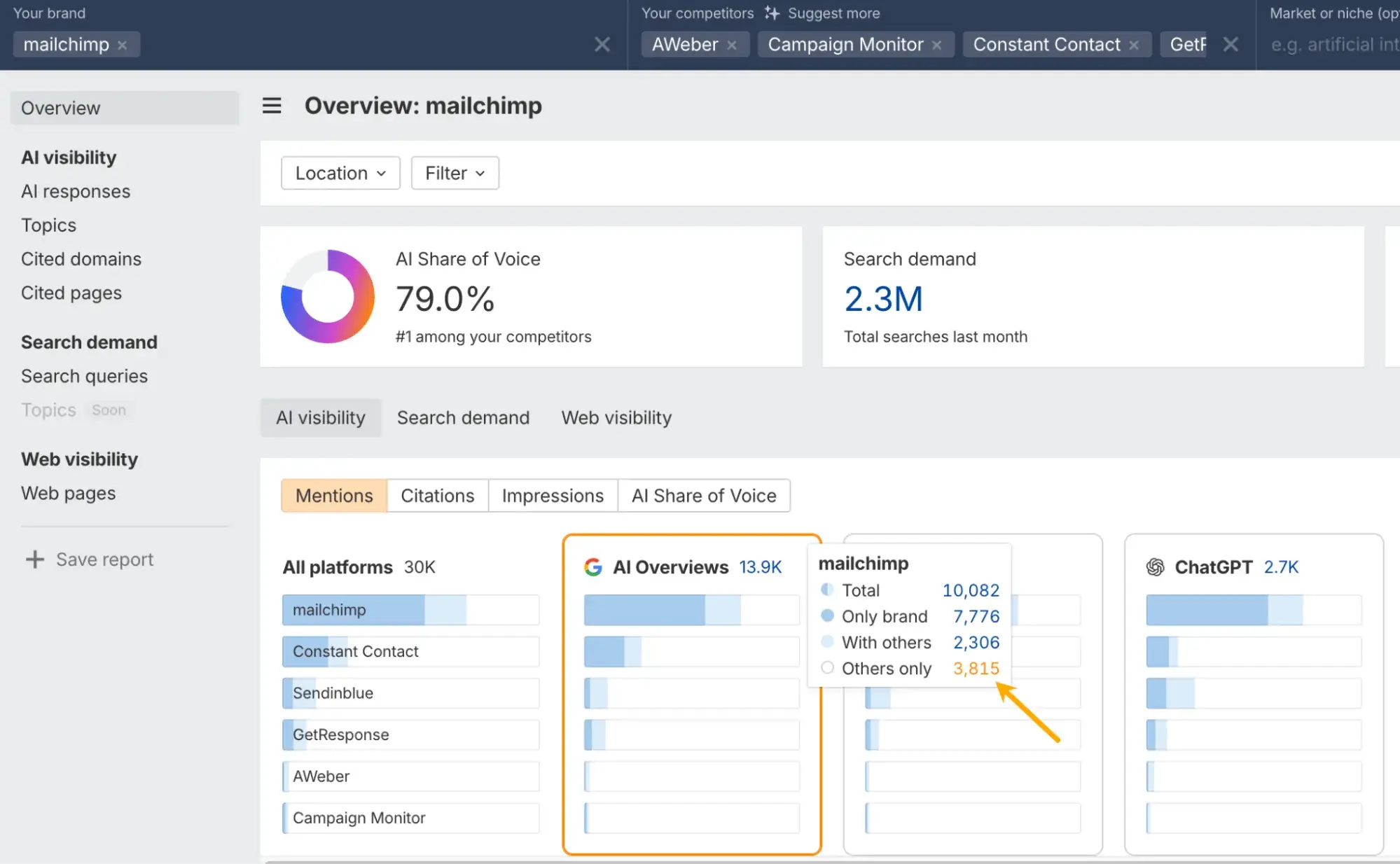
This is the newest and most complex category. An AI mention occurs when a brand is referenced within a generative AI response. Unlike web mentions, these are dynamic and may not exist on a permanent URL. Tracking these requires specialized tools that simulate user prompts to see how often a brand is cited as a solution or a market leader.
The Technological Ecosystem: A Comparative Analysis of Monitoring Tools
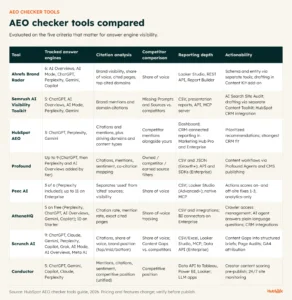
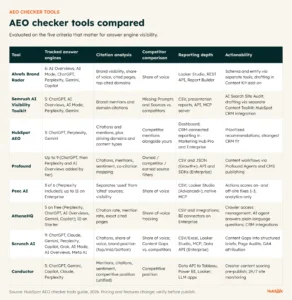
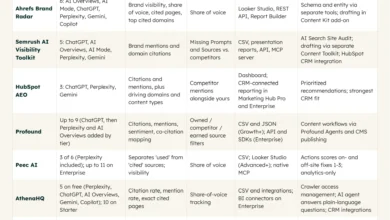
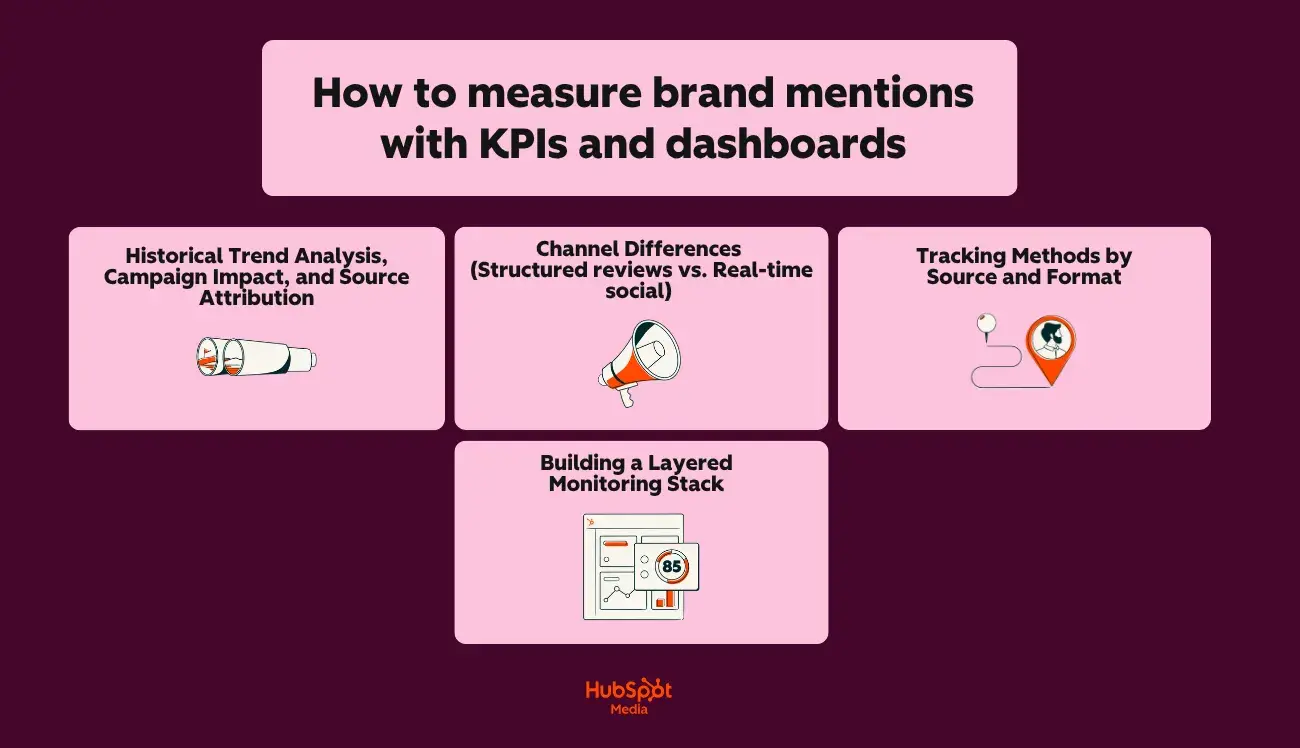
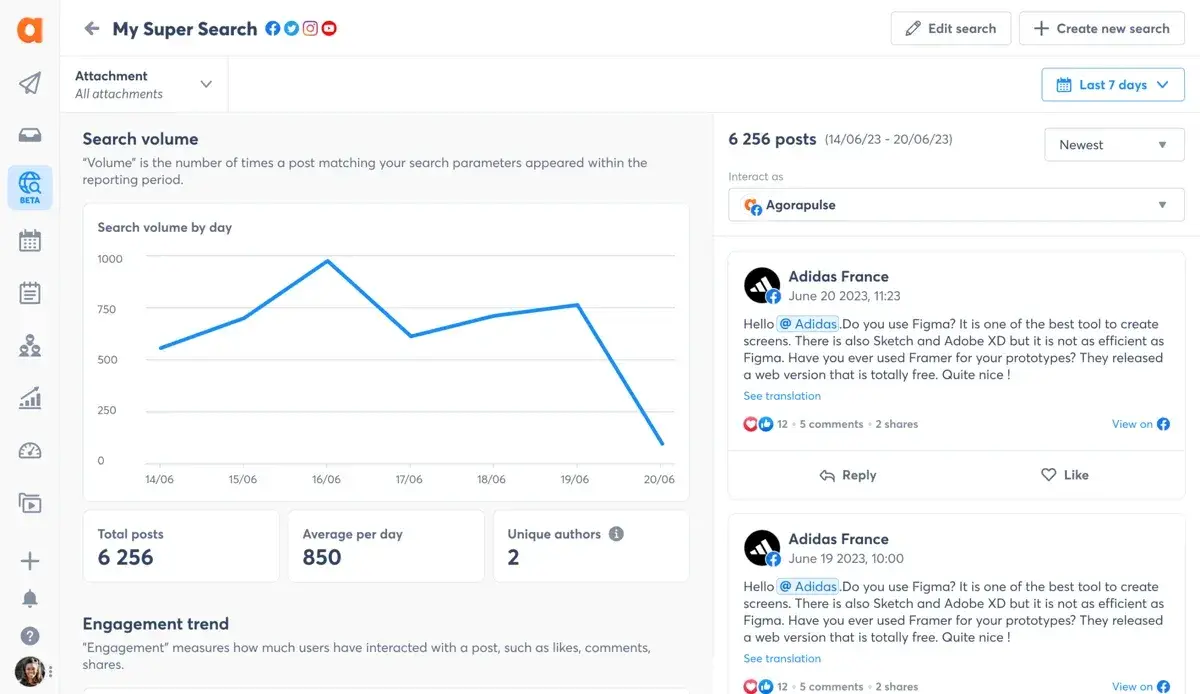
As the complexity of brand monitoring grows, the market for tracking technology has expanded. No single tool currently covers the entire spectrum of the web, leading many enterprises to adopt a "layered stack" approach.
- Enterprise Intelligence (Brandwatch): Aimed at large-scale corporations, this tool focuses on deep consumer intelligence and historical archives, indexing billions of conversations dating back over a decade.
- Real-Time Media Monitoring (Mention and Brand24): These platforms prioritize speed, offering real-time alerts for PR teams who need to respond to social media trends or potential crises within minutes.
- SEO-Centric Tracking (Ahrefs): Essential for converting unlinked mentions into backlinks, Ahrefs focuses on the technical web crawl, identifying high-authority sites that have mentioned a brand without providing a link.
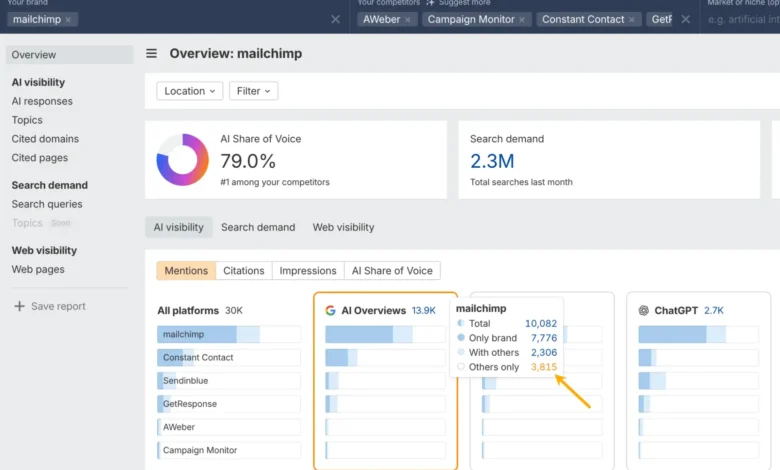
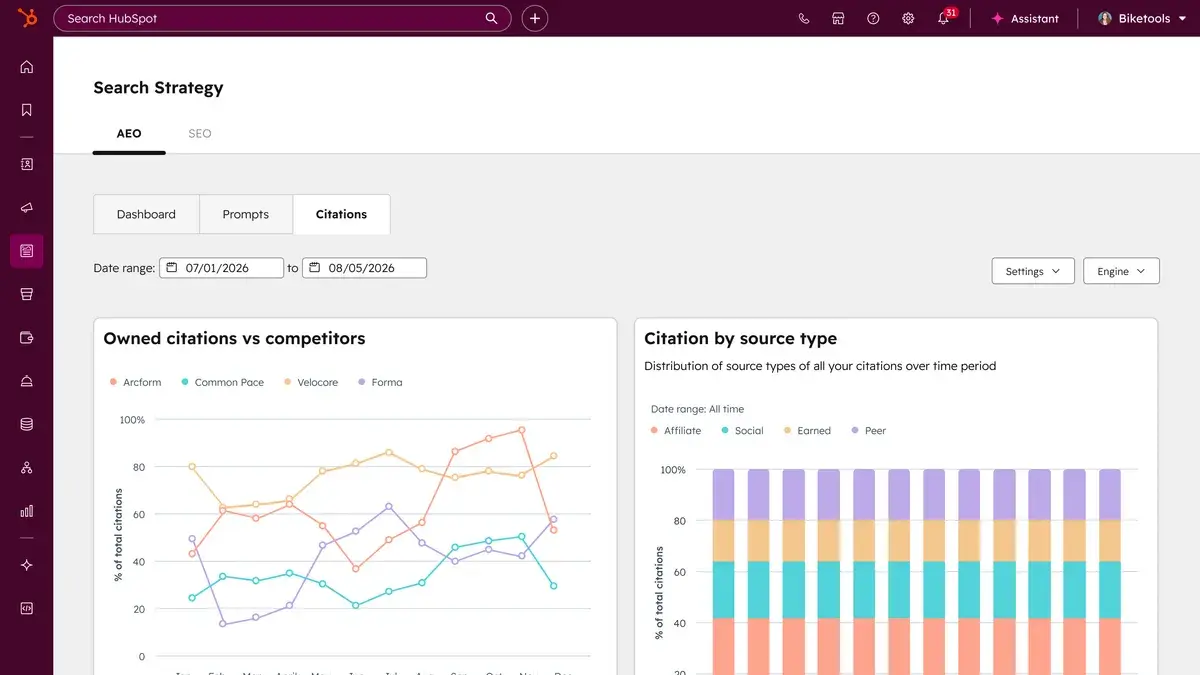
- AEO and AI Visibility (HubSpot AEO and Peec.ai): These emerging platforms are designed specifically for the AI era. They track "Share of Model" (SoM) rather than just "Share of Voice," measuring how often a brand appears in ChatGPT or Gemini responses.
- Baseline Monitoring (Google Alerts): While limited in sentiment analysis and social coverage, it remains a free, essential layer for catching major indexable web updates.
Historical Context and the Evolution of Authority
The transition to AEO is not an overnight phenomenon but the result of a decade-long evolution in how search engines perceive "entities." In 2012, Google introduced the Knowledge Graph, moving from "strings to things." This allowed the search engine to understand that "Apple" could refer to a fruit or a technology company based on the context of surrounding mentions.
By 2023, with the release of GPT-4 and Google’s Search Generative Experience (SGE), the focus shifted from entity recognition to entity recommendation. The chronology of this shift shows a clear path:
- 2000-2010: Focus on keyword density and exact-match backlinks.
- 2010-2020: Focus on "E-E-A-T" (Experience, Expertise, Authoritativeness, and Trustworthiness) and brand sentiment.
- 2023-Present: Focus on AEO and the frequency of citations within AI training sets and Retrieval-Augmented Generation (RAG) pipelines.
From Monitoring to Action: Converting Mentions into Revenue
For a brand mention strategy to be successful, it must move beyond the dashboard and into an operational workflow. Data-driven organizations are now treating mentions as a form of "User-Generated Content" (UGC) that can be repurposed across the marketing funnel.
Backlink Conversion
The conversion of unlinked mentions to backlinks remains one of the highest-ROI activities in digital marketing. Because the author has already expressed a positive sentiment toward the brand, outreach success rates for unlinked mentions are significantly higher than "cold" link-building efforts.
Relationship Nurturing
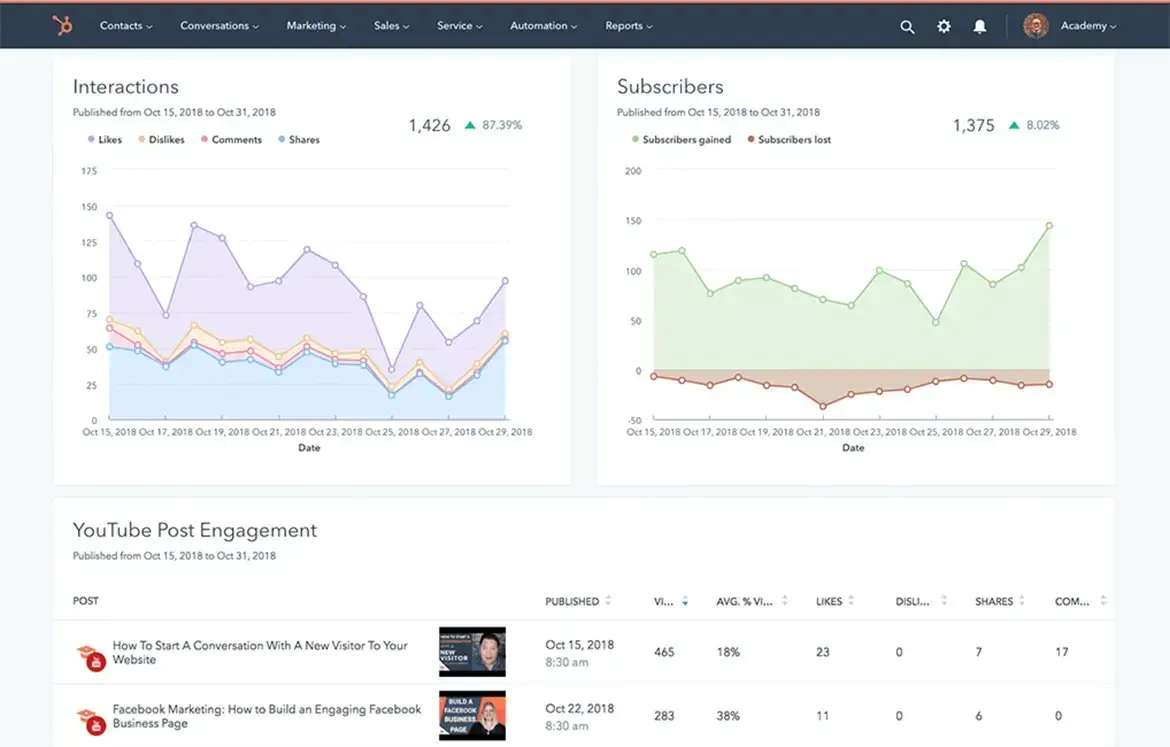
Modern PR teams are using brand monitoring to identify "micro-influencers" and niche journalists who mention their products organically. By moving these contacts into a CRM, brands can transition from one-off mentions to sustained partnerships, ensuring a steady stream of citations that AI models perceive as consistent authority.
Sentiment and Crisis Mitigation
The real-time nature of social mentions means that a localized issue can escalate into a global brand crisis within hours. Professional workflows now include "Routing Logic," where negative mentions are automatically sent to customer success teams, while high-authority media mentions are routed to the executive suite for potential amplification.
Broader Impact and Industry Implications
The implications of this shift extend beyond marketing departments. Legal and compliance teams are increasingly involved in brand monitoring to ensure that third-party references—particularly those generated by AI—are factually accurate. The phenomenon of "AI Hallucinations," where models may incorrectly associate a brand with a negative event or a non-existent product feature, has made brand monitoring a defensive necessity.
Furthermore, the rise of AEO is democratizing brand visibility. In the traditional SEO era, companies with the largest budgets could often dominate the first page of Google through aggressive ad spend and backlink acquisition. In the AEO era, AI models prioritize the "consensus of the web." If a smaller, innovative brand is frequently cited by experts in forums and niche publications, it has a significant chance of being recommended by an AI agent over a larger, more established competitor.
Conclusion: The Future of the Digital Presence
As we move further into 2025, the brand mention will likely become the primary currency of digital reputation. The convergence of social listening, SEO, and AI monitoring into a single, unified workflow is no longer an optional luxury but a requirement for survival in an AI-first world.
Organizations that successfully bridge the gap between "being mentioned" and "being recommended" will define the next generation of market leadership. By systematically tracking, analyzing, and acting upon mentions across the full spectrum of the digital landscape—from a casual tweet to a complex AI-generated summary—businesses can ensure that their brand remains not only visible but authoritative in an increasingly automated world.
Related posts: