Future-Proofing the Next Generation: How TED-Ed Student Talks Are Cultivating Human-Centric Skills in the Age of Artificial Intelligence

As artificial intelligence continues to redefine the global economic landscape, the focus of modern education is undergoing a seismic shift toward the development of uniquely human capabilities. While technical proficiency in coding and data analysis remains relevant, recent labor market trends suggest that "durable skills"—such as empathy, complex communication, and ethical leadership—are becoming the primary currency of the future workforce. This transition is highlighted in the World Economic Forum’s Future of Jobs Report (2025), which identifies social and emotional intelligence as critical pillars for professional success in an automated world. Within this context, programs like TED-Ed Student Talks have emerged as vital laboratories for youth development, providing students aged 6 to 18 with a structured environment to master the competencies that AI cannot replicate.
The TED-Ed Student Talks program operates on the premise that the ability to articulate an idea is not just a performance skill but a foundational cognitive and social building block. By guiding students through a process of discovery, development, and delivery, the initiative addresses a significant gap in traditional curricula, where standardized testing often takes precedence over the cultivation of a personal voice. Recent reflections from program participants and educators underscore the profound impact of this pedagogical approach, revealing how the act of public speaking fosters a sense of agency and interconnectedness that extends far beyond the classroom.
The Global Skills Gap and the Rise of Durable Competencies
The World Economic Forum (WEF) has long tracked the evolution of workplace requirements, and its 2025 report marks a definitive turning point. As generative AI assumes responsibility for routine cognitive tasks, the demand for "soft skills" has surged. According to LinkedIn’s latest analysis of in-demand qualities, communication remains the most sought-after trait among recruiters, followed closely by leadership and adaptability. However, these skills are notoriously difficult to quantify and teach through conventional rote learning.
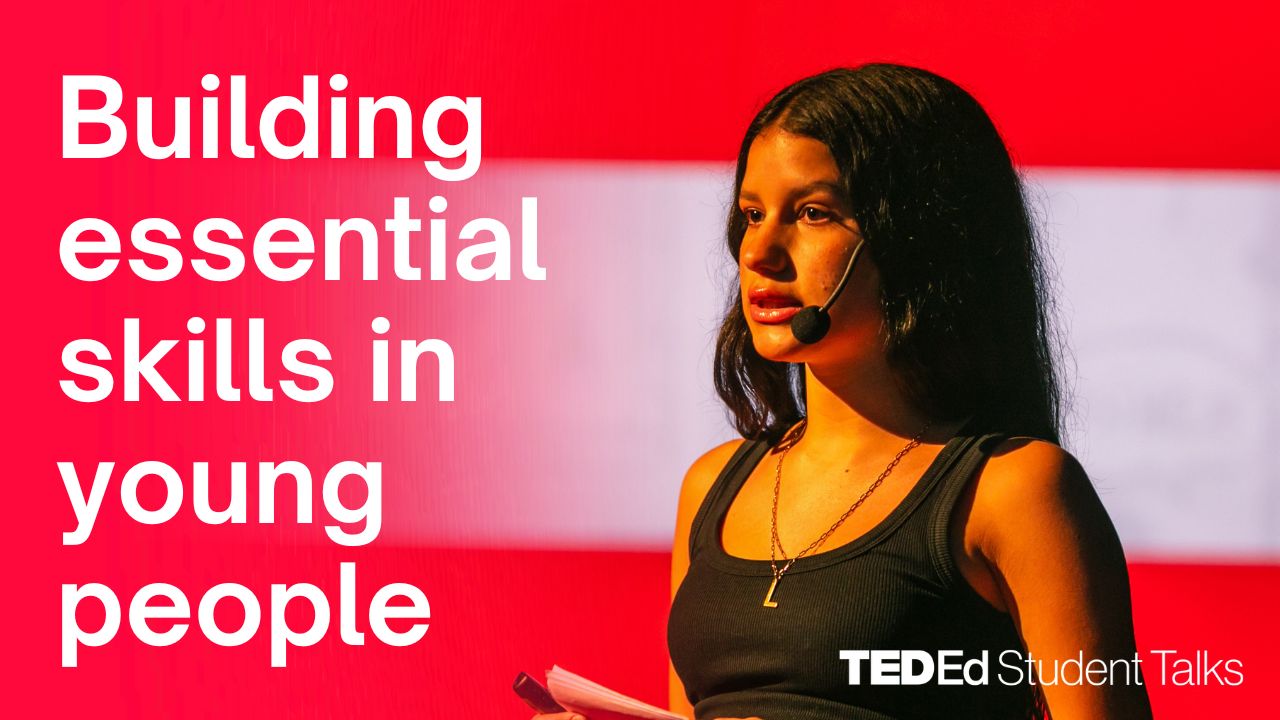
The "skills gap" refers to the disparity between the qualifications graduates possess and the needs of the modern employer. Educational experts argue that while schools are proficient at teaching "hard" skills, they often lack the infrastructure to support the development of "human-centric" skills. TED-Ed Student Talks fills this void by providing a customizable framework for educators. The program does not merely teach students how to speak; it teaches them how to think critically about their experiences and how to synthesize complex information into narratives that resonate with a global audience.
Fostering Radical Empathy Through Narrative Exchange
One of the primary objectives of the TED-Ed Student Talks program is the cultivation of empathy. In a digital age characterized by echo chambers and algorithmic polarization, the ability to listen to and internalize the perspectives of others is increasingly viewed as a prerequisite for social cohesion. The program encourages students to share personal stories, a practice that researchers suggest activates neural pathways associated with social bonding and mutual understanding.
For students like Shrutarjo Ray, the program served as a revelation regarding the social utility of an idea. Ray observed that "ideas get life when they are shared," noting that even a simple, meaningful story can alter an audience’s perspective. This sentiment is echoed by Wong Kean Jee, who emphasized the bilateral nature of communication. Through the program, Kean Jee realized that sharing personal struggles fosters a sense of community, proving that "every person you talk to can teach you something new."
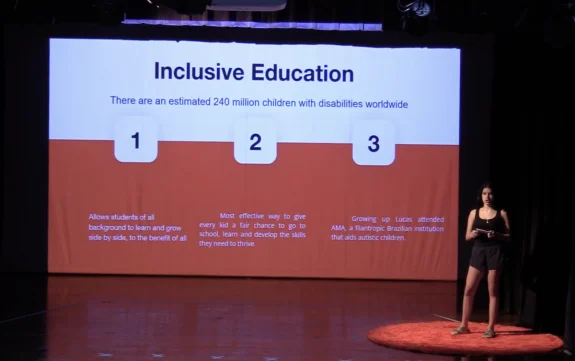
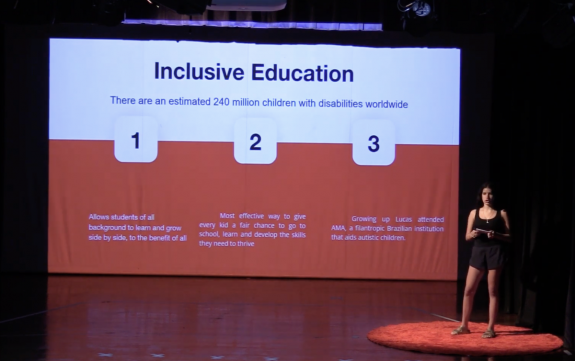
This development of empathy is perhaps most visible in the work of Lia Costa, who used the TED-Ed platform to discuss her cousin’s experience with Autism Spectrum Disorder. By integrating her cousin’s drawings and personal history into her talk, Costa aimed to move her audience toward compassionate action. Her presentation highlights a core tenet of the program: the use of storytelling to bridge the gap between abstract awareness and lived experience. When students like Costa present on neurodiversity or disability, they are not just sharing information; they are advocating for a more inclusive societal framework.
Bridging the Gap in Complex Communication
Effective communication in the 21st century requires more than just clarity; it requires the ability to translate specialized knowledge into accessible insights. As the world faces multifaceted challenges—ranging from climate change to biotechnological ethics—the role of the "communicator-scientist" or "communicator-leader" has never been more vital. TED-Ed Student Talks challenges students to tackle complex subjects and make them relatable to a general audience.
Owen Hawthorne, a participant in the program, chose to address the highly technical field of CRISPR and genetic editing. While many adults find the nuances of gene-based cancer treatments intimidating, Hawthorne’s goal was to simplify the science to inspire hope. His success in doing so demonstrates the power of the program’s methodology, which teaches students to prioritize the "why" behind the data. By focusing on the potential for genetic editing to serve as a humane alternative to chemotherapy, Hawthorne transformed a dense scientific topic into a compelling vision for the future.
Similarly, Kira Aryslanova noted a significant shift in her approach to information. "Before this, I might have focused too much on facts," Aryslanova reflected. Through the TED-Ed process, she learned to weave storytelling with data and inquiry. This hybrid approach is essential for modern professionals who must influence stakeholders and inspire teams in an environment where data is abundant but meaning is often scarce.
For other students, the challenge of communication was internal rather than technical. Lareen Abdelwahed used the program to process "tangled emotions" that she had previously ignored. The structured nature of the Student Talks curriculum forced her to sit with her experiences and shape them into a coherent narrative. This process of emotional regulation and articulation is a key component of mental health and professional maturity, allowing individuals to navigate high-pressure environments with composure.
Youth Agency and the Path to Civic Engagement
There is a growing body of evidence suggesting that when young people are given a platform to speak on issues of importance, they develop a lasting commitment to civic engagement. A study published in the journal of Youth & Society (and referenced by the National Institutes of Health) indicates that meaningful opportunities for public expression correlate with a stronger sense of agency. TED-Ed Student Talks acts as a catalyst for this development, transforming students from passive observers into active advocates.
Kira Aryslanova’s talk on "language monopoly" serves as a prime example of this transition. By questioning the dominance of the English language and highlighting the cultural worldviews lost when minoritized languages fade, Aryslanova challenged her audience to embrace linguistic diversity. Her objective was not just to inform, but to create a sense of "productive discomfort" that prompts self-reflection and change.
For Arush P, the program facilitated a transformation from a student to an environmental advocate. Having cared about ecological preservation since the fifth grade, Arush found that the TED-Ed platform allowed him to become a "speaker for our planet’s survival." He noted that once an idea is shared, it ceases to be a private concern and becomes a "catalyst for collective resilience." This shift from individual interest to collective advocacy is the hallmark of effective leadership.
Implications for the Future of Education
The success of the TED-Ed Student Talks program offers a blueprint for the future of global education. As schools move away from the industrial-era model of standardized instruction, the integration of programs that prioritize "durable skills" will be essential. The program’s flexibility allows it to be implemented in diverse settings—from rural classrooms to urban extracurricular clubs—ensuring that students from all backgrounds have the opportunity to develop their voices.
Furthermore, the program’s emphasis on "honest" communication, as noted by participant Malak Youssef, provides an antidote to the performative nature of much of today’s social media. Youssef’s reflection—that a voice "doesn’t have to be loud to be powerful"—is a critical lesson for a generation raised in the attention economy. By valuing honesty and depth over volume and virality, TED-Ed is helping to cultivate a more thoughtful and deliberate class of future leaders.
In conclusion, the rise of artificial intelligence does not diminish the value of human intellect; rather, it clarifies it. The skills fostered by TED-Ed Student Talks—empathy, complex communication, and advocacy—are the very traits that will define the human contribution to the future economy. As these students move from the stage into the workforce, they carry with them the conviction that their perspectives matter and the technical ability to ensure they are heard. For educators and policymakers, the message is clear: investing in the "human" element of education is the most effective way to ensure that the next generation is not just prepared for the future, but capable of shaping it.
Related posts: