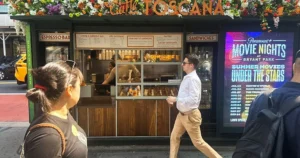
For decades, the curb was viewed primarily through the lens of parking. It was a place where cars were stored, often for free, for hours or days at a time. However, the rise of the digital economy, the proliferation of ride-share services, and the necessity of outdoor dining during the pandemic transformed the curb into a high-stakes battleground. The Mamdani administration’s decision to centralize curb authority under a single office acknowledges that the "in-between zone" of the city can no longer be managed through piecemeal regulations and reactionary enforcement.
The Evolution of the Curb Crisis
The necessity for a dedicated management office stems from a decade of intensifying pressure on the city’s edges. Historically, the center of the road belonged to motorized vehicles, while the sidewalk was the domain of the pedestrian. The curb, however, serves as the interstitial tissue where these two worlds collide. According to data from the DOT, New York City manages over 12,000 miles of curb space. Until recently, more than 75% of that space was dedicated to the storage of private vehicles, leaving a fraction of the area for the thousands of other functions the modern city requires.
The "curb crisis" reached a breaking point with the explosion of e-commerce. In 2023, it was estimated that over 2.3 million packages were delivered in New York City every single day. Without adequate loading zones, delivery trucks from companies like Amazon, UPS, and FedEx became permanent fixtures in the travel lanes, leading to chronic double parking. This congestion not only slowed down public transit and emergency vehicles but also created significant safety hazards for cyclists and pedestrians forced to navigate around massive obstructions.
Furthermore, the implementation of the "Open Restaurants" program during the COVID-19 pandemic permanently altered the public’s perception of what a curb could be. What was once a single parking spot for one individual’s car became a dining area serving dozens of people, generating tax revenue and supporting local employment. As the city transitions into a permanent, albeit more regulated, version of outdoor dining, the need for a central authority to balance these structures against other needs—such as trash collection and bike parking—has become undeniable.
A Mandate for Safety and Efficiency
The Office of Curb Management arrives with a clear and multifaceted mandate: to improve safety, reduce the prevalence of double parking, and better manage the competing demands of the 21st-century streetscape. The office will operate as a specialized unit within the DOT, working in tandem with the Bureau of Traffic Operations and the Office of Freight Mobility.
One of the primary goals is the reduction of "friction" at the curb. Friction occurs when a vehicle cannot find a legal place to stop, leading to illegal maneuvers that endanger other road users. By implementing "Smart Curbs"—zones where parking and loading are managed through real-time data and dynamic pricing—the office hopes to ensure that curb turnover is high enough to accommodate necessary deliveries without obstructing traffic.
The office’s stated priorities include:
- Delivery and Freight Logistics: Expanding the network of dedicated commercial loading zones to reduce double parking in residential and high-traffic commercial corridors.
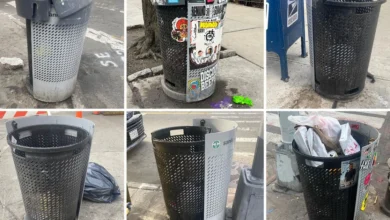
- Waste Containerization: Supporting the Department of Sanitation’s efforts to move trash from bags on the sidewalk into sealed containers located in the curb lane, a move intended to reclaim sidewalk space and mitigate the city’s rat population.
- Micro-mobility Infrastructure: Allocating space for bike racks, e-scooter docks, and moped parking to encourage carbon-neutral transportation.
- Pedestrian Safety: Formalizing the use of "sneckdowns"—natural curb extensions revealed by snow patterns—into permanent concrete bulb-outs that shorten crossing distances for pedestrians.
Chronology of the New Administration’s Infrastructure Push
The launch of the Office of Curb Management is the latest in a series of rapid-fire infrastructure moves by the Mamdani administration since taking office. The timeline of this policy shift reflects an aggressive approach to urban reform:
- January 2026: Mayor Mamdani announces a "Streets for People" initiative, focusing on daylighting intersections to improve visibility and safety.
- February 2026: The DOT releases a comprehensive study on curb utilization, revealing that in some neighborhoods, delivery trucks were forced to double park for an average of 45 minutes per block due to lack of loading space.
- March 2026: The City Council passes a budget amendment allocating initial funding for a centralized curb management task force.
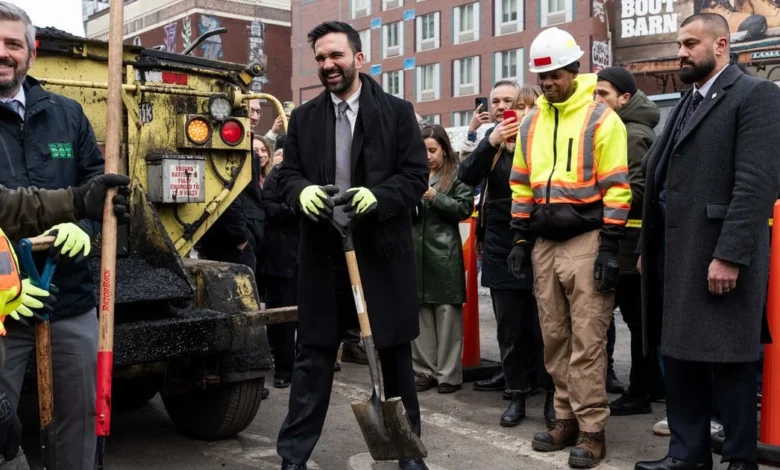
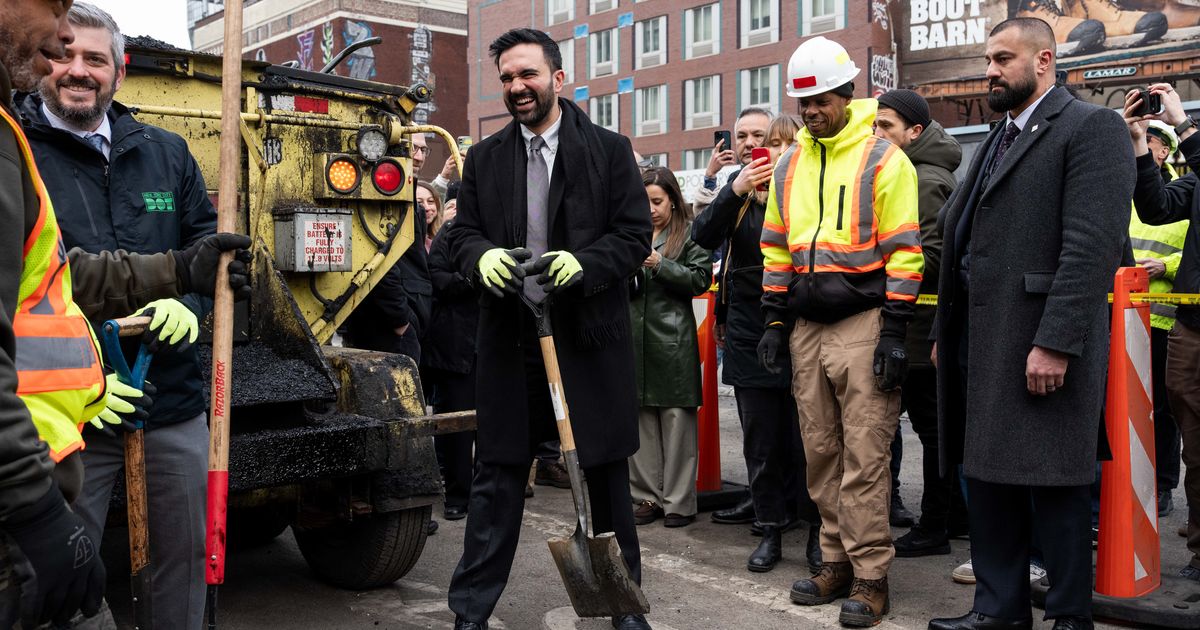
- April 8, 2026: The Office of Curb Management is officially launched, with the Mayor emphasizing that the curb is "public land that must serve the public good, not just provide free storage for private property."
Stakeholder Reactions and Political Implications
The reaction to the new office has been a mix of cautious optimism and predictable pushback. Transportation advocacy groups, such as Transportation Alternatives and the Riders Alliance, have hailed the move as a long-overdue recognition of the curb’s value. "For too long, we have treated the curb as a static asset," a spokesperson for Transportation Alternatives stated. "This office has the potential to turn the curb into a dynamic tool for safety and climate resilience."
On the other side of the debate, some residents and local business owners express concern over the potential loss of parking. In many outer-borough neighborhoods, where transit options are less frequent, the curb is seen as a vital resource for car-owning households. The Office of Curb Management will face the difficult task of convincing these constituents that more efficient curb use—such as shared zones and better loading management—will actually make their neighborhoods more livable and less congested.
Logistics companies have largely welcomed the news. A representative from a major delivery firm noted that "parking fines are currently baked into the cost of doing business in New York. If this office can provide us with predictable, legal space to unload, it will improve our efficiency and reduce the chaos on the streets."
Data-Driven Management and the "Smart Curb" Future
A significant portion of the new office’s work will be rooted in data. By utilizing sensors and cameras, the DOT can track curb occupancy in real-time. This data allows for "dynamic curb pricing," where the cost of parking or loading fluctuates based on demand. If a block is consistently full, the price increases to encourage turnover; if it is empty, the price drops.
This approach follows successful pilots in cities like Seattle and San Francisco, where curb management has led to a measurable decrease in cruising—the act of driving around looking for parking. Cruising is estimated to account for up to 30% of traffic in dense urban centers. By reducing the time drivers spend searching for a spot, the Office of Curb Management can directly contribute to a reduction in carbon emissions and traffic congestion.
Broader Impact on Urban Life
The implications of this administrative shuffle extend beyond mere logistics. The Office of Curb Management represents a philosophical shift in urban governance. It suggests that the city is no longer content to let the "law of the jungle" dictate how its streets are used. By actively managing the curb, the city is asserting its right to prioritize activities that benefit the most people—whether that is a bus lane that speeds up the commute for thousands, a containerized trash system that cleans the air, or a bioswale that prevents flooding during heavy rains.
The success of the office will ultimately be measured by the state of the streets. If double parking decreases, if pedestrian fatalities drop, and if the sidewalk becomes a place for walking rather than a staging ground for trash bags and delivery pallets, then the Office of Curb Management will have proven its worth. For now, it stands as a bold experiment in reclaiming the edges of the city for the people who live there.
As the city enters the next phase of its evolution, the curb will remain the front line of urban change. The Mamdani administration has bet that by managing the small details of the streetscape, they can solve the larger problems of the metropolis. Whether this new office becomes a model of efficiency or another layer of bureaucracy remains to be seen, but its creation marks the end of the era of the "unmanaged curb" in New York City.