The Landscape of the Sub-Million Dollar Market
The New York City real estate market in the mid-2020s has been characterized by a stark bifurcation between luxury new developments and the enduring appeal of pre-war co-operatives. For prospective buyers with a budget under $1 million, the search often centers on neighborhoods that offer a blend of architectural integrity and proximity to transit hubs. The listing at 45 Pineapple Street sits at the heart of Brooklyn Heights, a neighborhood that holds the distinction of being New York City’s first historic district, designated in 1965.
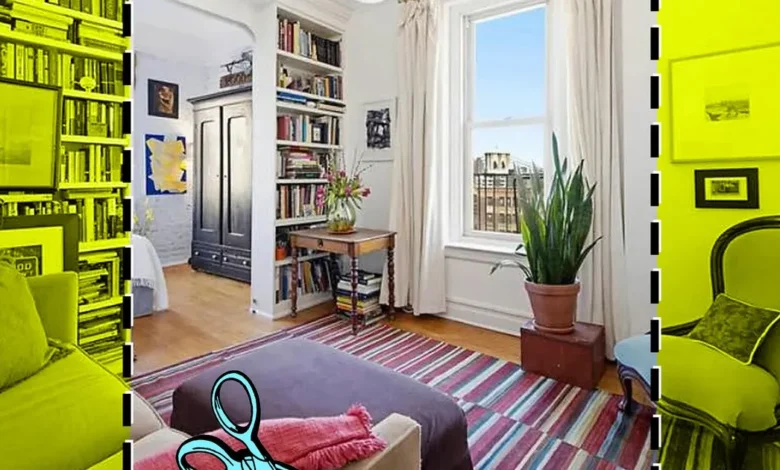
The unit, priced at $597,000, provides views of the Manhattan skyline and the Brooklyn Bridge, a rarity at this price point. Market data from the first quarter of 2026 indicates that the median sales price for a one-bedroom apartment in Brooklyn Heights hovers significantly higher, often exceeding $800,000. Consequently, converted units like Apartment 7C represent a strategic "middle ground" for first-time buyers or those looking to trade square footage for a prestigious ZIP code and iconic vistas.
Property Profiles: From the Fruit Streets to Lincoln Square
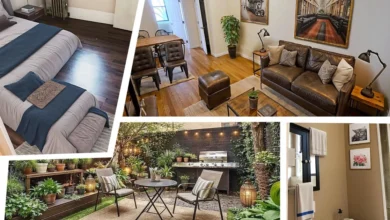
The current inventory highlights several distinct approaches to urban living. At 45 Pineapple Street, the "European style" kitchen and 10-foot ceilings reflect the architectural standards of the early 20th century, preserved through decades of co-op board stewardship. The maintenance fees of $754 per month are notably low for the area, covering essential services such as a live-in superintendent and access to a communal garden courtyard equipped with barbecue grills. This affordability is bolstered by the building’s proximity to the Clark Street 2/3 subway station and the Brooklyn Heights Promenade.
Across the river in Manhattan, the listing at 150 West End Avenue, Apartment 24S, offers a different value proposition. Located within the Lincoln Towers complex in Lincoln Square, this one-bedroom unit emphasizes "lifestyle and ease." Unlike the boutique feel of Brooklyn Heights, Lincoln Towers is a sprawling 20-acre enclave developed during the urban renewal era of the 1960s. The apartment features soundproof oversized windows and a renovated galley kitchen with slate floors. While the monthly maintenance of $1,674 is higher than its Brooklyn counterparts, it is an "all-inclusive" figure covering electricity, heat, cooling, gas, and water—a significant hedge against rising utility costs in the city.
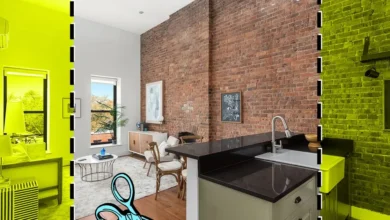
In Park Slope, two distinct properties further illustrate the diversity of the sub-million-dollar segment. The floor-through two-bedroom at 238 Sixth Avenue emphasizes pre-war details, including original moldings and a windowed kitchen recently updated with modern appliances. Meanwhile, the "Chiclet Mansion" at 115 Eighth Avenue offers a rare opportunity to reside in a Romanesque Revival mini-castle built for the founder of the Chiclet chewing gum empire. This one-bedroom unit features half-moon casement windows and exposed brick, catering to buyers who prioritize historical provenance and proximity to Prospect Park.
Historical Context and Chronology of Development
To understand the significance of these listings, one must look at the chronological development of these neighborhoods. Brooklyn Heights was largely developed in the mid-19th century as Manhattan’s first suburb, populated by merchants who utilized the Fulton Ferry. The "Fruit Streets"—Pineapple, Orange, and Cranberry—owe their names to Lady Middagh, a prominent resident who allegedly tore down street signs named after aristocratic families and replaced them with botanical names in a fit of egalitarian pique.
The conversion of these grand 19th-century homes and early 20th-century apartment hotels into co-operatives occurred primarily between the 1970s and 1980s. This shift allowed for the preservation of original features like the plaster-arched doorways and narrow-beam hardwood floors seen at 45 Pineapple Street.
In contrast, Lincoln Square’s development was a product of the post-WWII housing boom and the controversial Slum Clearance Committee headed by Robert Moses. The construction of Lincoln Towers in the early 1960s was intended to provide middle-class housing adjacent to the newly built Lincoln Center for the Performing Arts. Today, these buildings remain a bastion of relative affordability in an otherwise hyper-expensive Upper West Side market.
Supporting Market Data and Economic Analysis
Recent figures from the Real Estate Board of New York (REBNY) suggest that while the volume of sales has fluctuated, the demand for "starter" apartments in prime Brooklyn and Manhattan neighborhoods remains resilient.
| Neighborhood | Property Type | Median Price (1BR) | Maintenance Range |
|---|---|---|---|
| Brooklyn Heights | Pre-war Co-op | $795,000 | $700 – $1,200 |
| Park Slope | Pre-war Co-op | $750,000 | $800 – $1,300 |
| Lincoln Square | Post-war Co-op | $825,000 | $1,500 – $2,200 |
The $597,000 price tag for the Pineapple Street unit is approximately 25% below the neighborhood median, likely reflecting its status as a studio conversion rather than a legal one-bedroom with a large primary suite. However, for buyers, the "view premium" often offsets the smaller footprint. Real estate analysts note that apartments with unobstructed views of the Brooklyn Bridge typically command a 10-15% price increase over similar units facing the interior or the street.
Industry Responses and Market Sentiment
Real estate professionals view these listings as a sign of a "normalizing" market. "We are seeing a return to value-based purchasing," says Elena Rodriguez, a senior residential analyst. "In 2021 and 2022, buyers were often forced to waive inspections or overpay just to secure a roof. In the current 2026 climate, buyers are scrutinizing monthly maintenance fees and building reserves more closely. A building like 45 Pineapple Street, with sub-$800 monthlies, is incredibly attractive because it lowers the debt-to-income ratio for the buyer."

Co-op boards have also become more stringent in their requirements. In buildings like the Chiclet Mansion or 45 Pineapple Street, boards typically require a 20-25% down payment and a post-closing liquidity buffer. This financial conservatism has historically protected New York City co-ops from the wider market volatility seen in the condo sector or in other national markets.
Broader Impact and Future Implications
The continued availability of units under $1 million in these neighborhoods is vital for the city’s socio-economic diversity. As New York faces a persistent housing shortage, the preservation of smaller, more affordable co-operative units ensures that the "creative class" and mid-level professionals can remain in proximity to the city’s commercial and cultural cores.
Furthermore, the emphasis on "amenity-lite" but "character-heavy" buildings reflects a shift in buyer priorities. While the ultra-luxury market focuses on fitness centers and lap pools, the sub-million-dollar buyer is increasingly looking for "lifestyle infrastructure"—proximity to parks like the Brooklyn Bridge Park or Prospect Park, and access to reliable transit.
The "work-from-home" era has also influenced these listings. The inclusion of a "svelte second bedroom" or home office in the Park Slope listing at 238 Sixth Avenue is no longer a luxury but a requirement for many modern professionals. As long as the inventory of these versatile, historically significant spaces remains low, the competition for well-priced units like those on Pineapple Street or West End Avenue is expected to remain high, driving the next cycle of urban residential investment.